Climate . Studio Press Kit — J. Paul Neeley
Last updated: March 2026
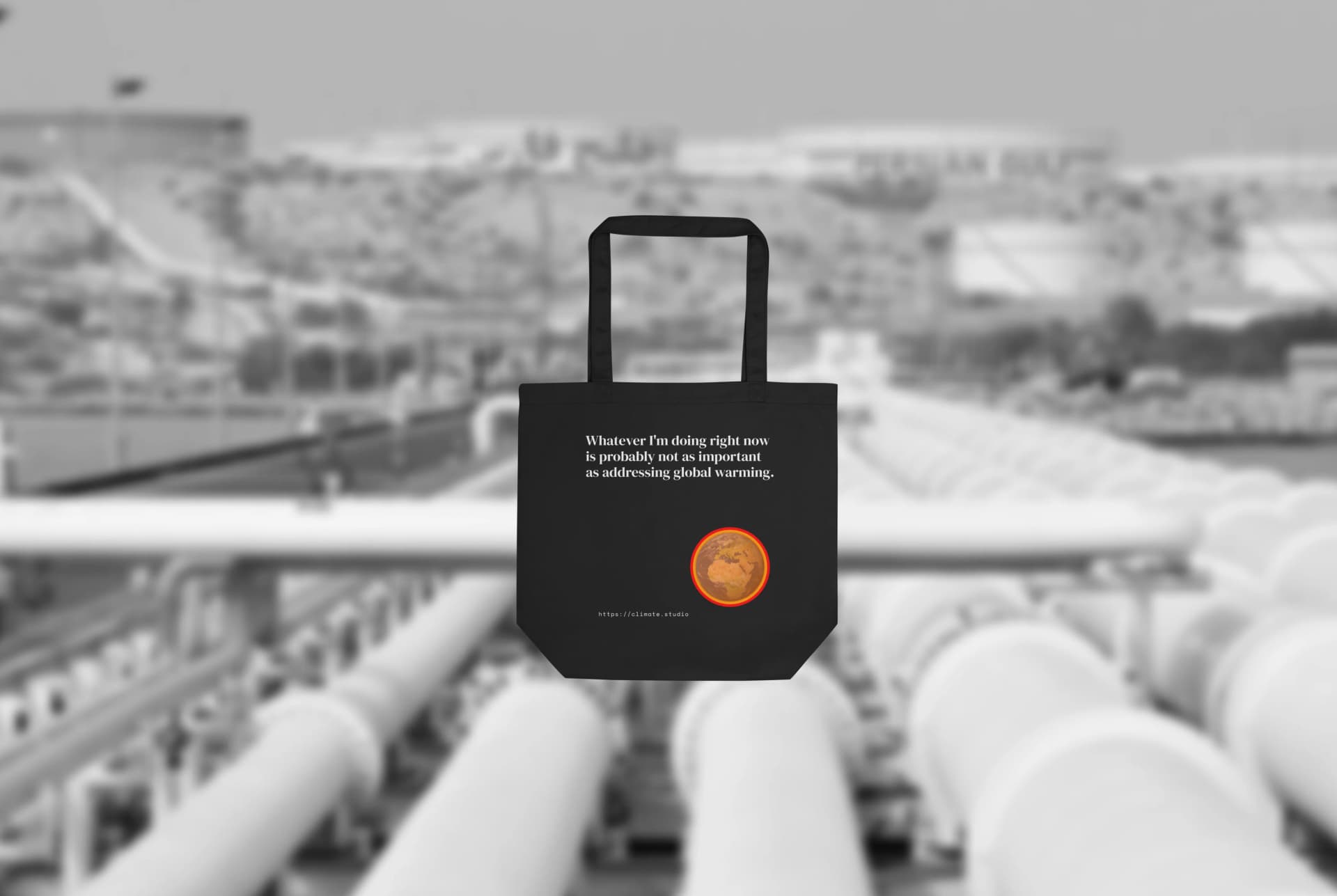
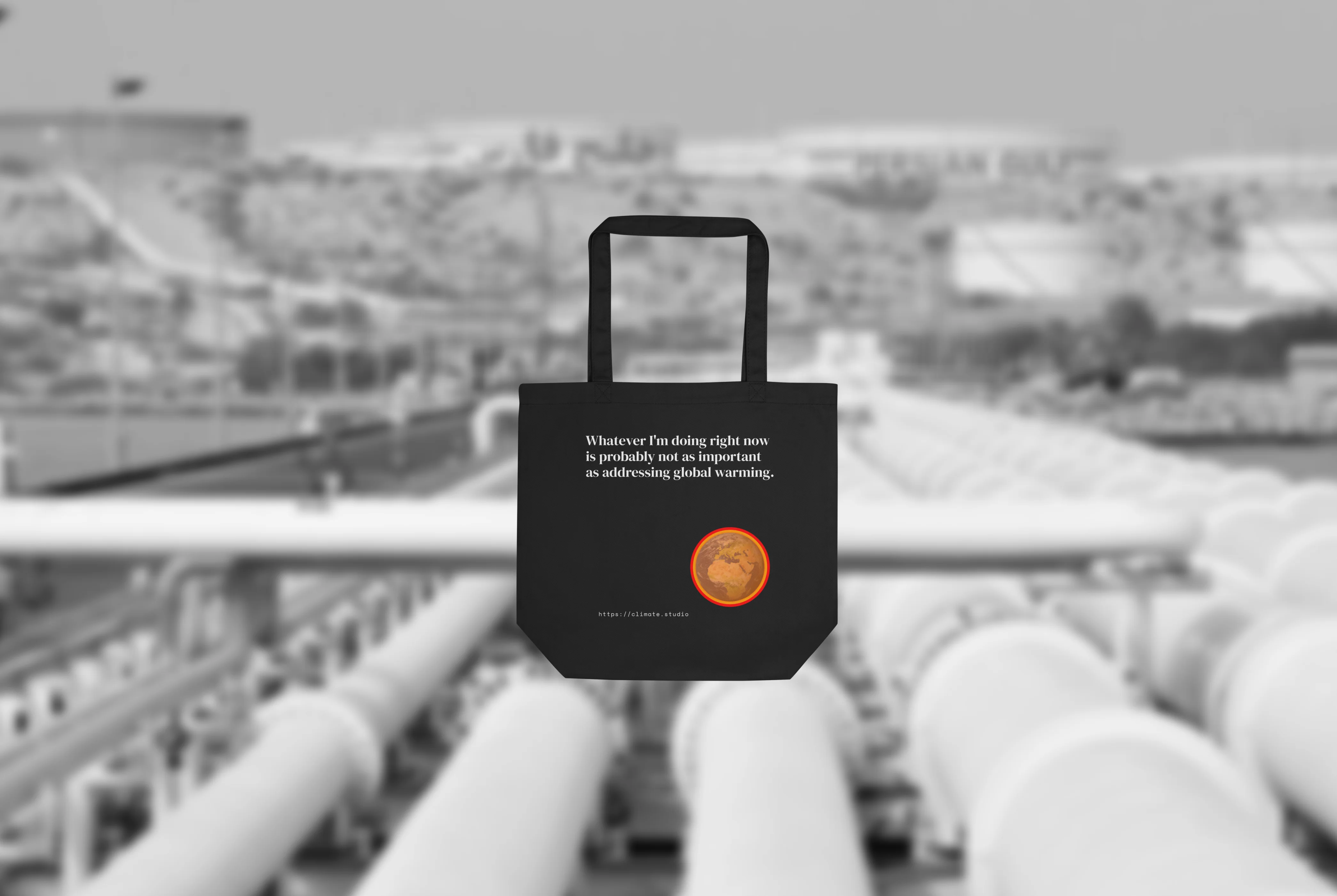
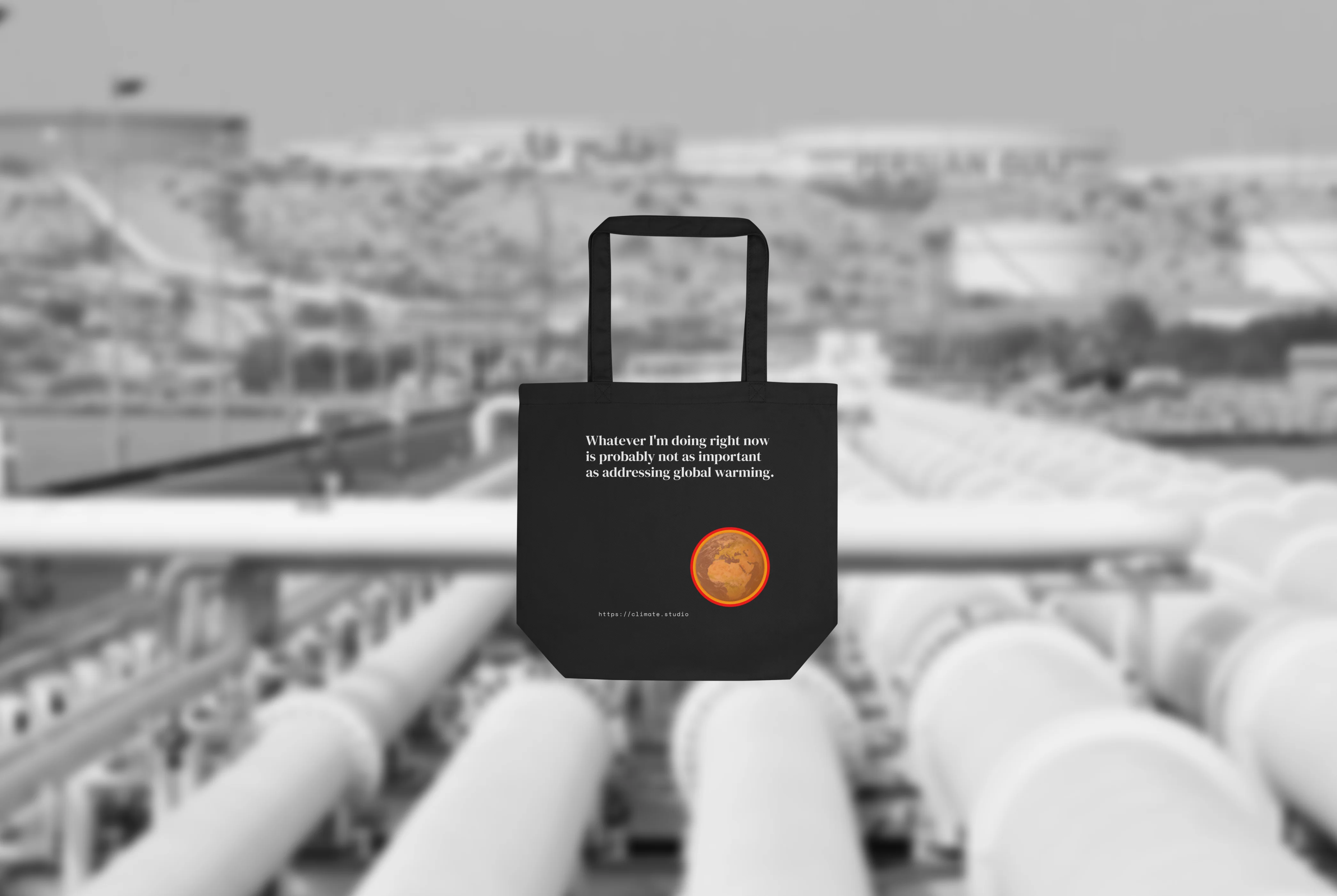
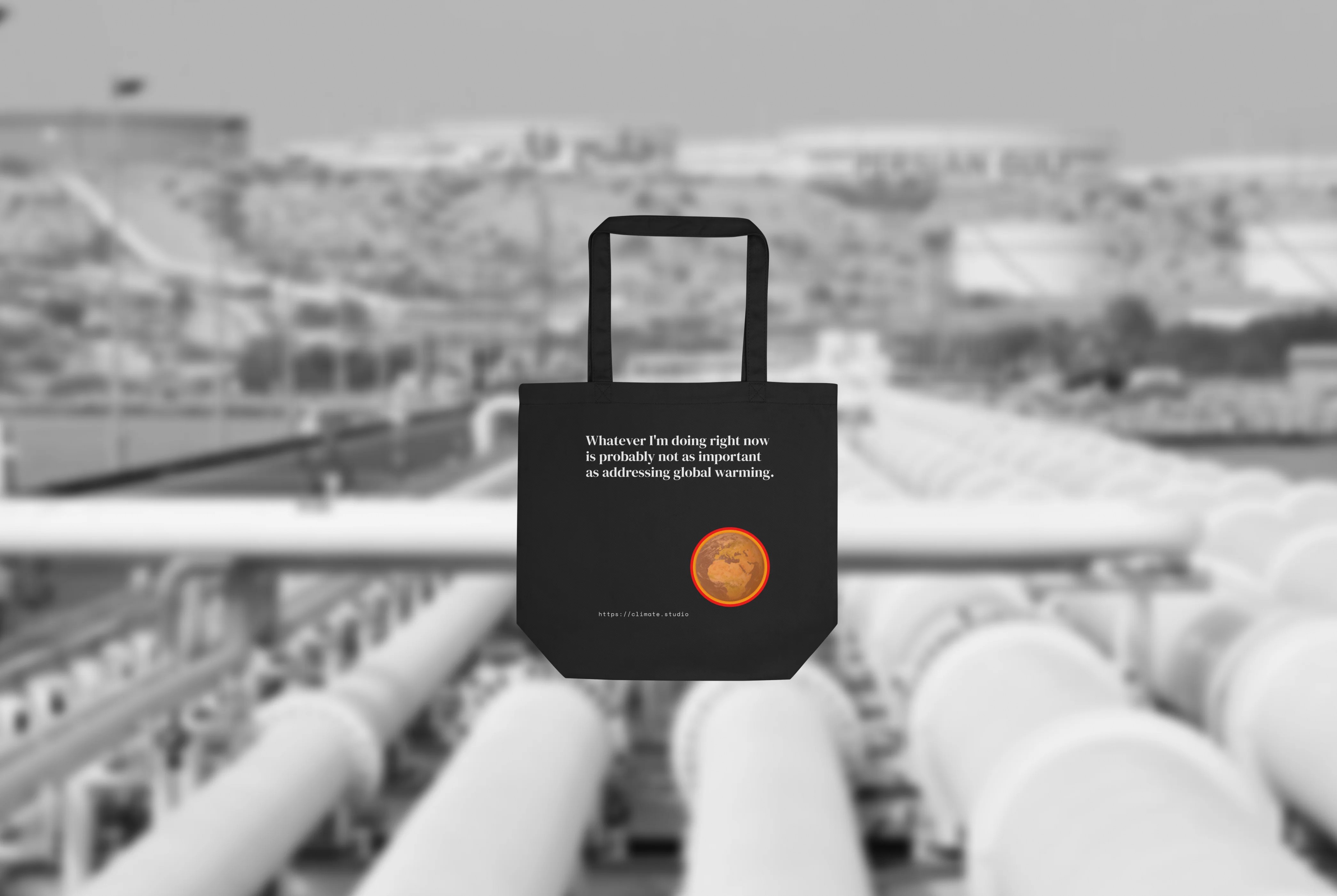
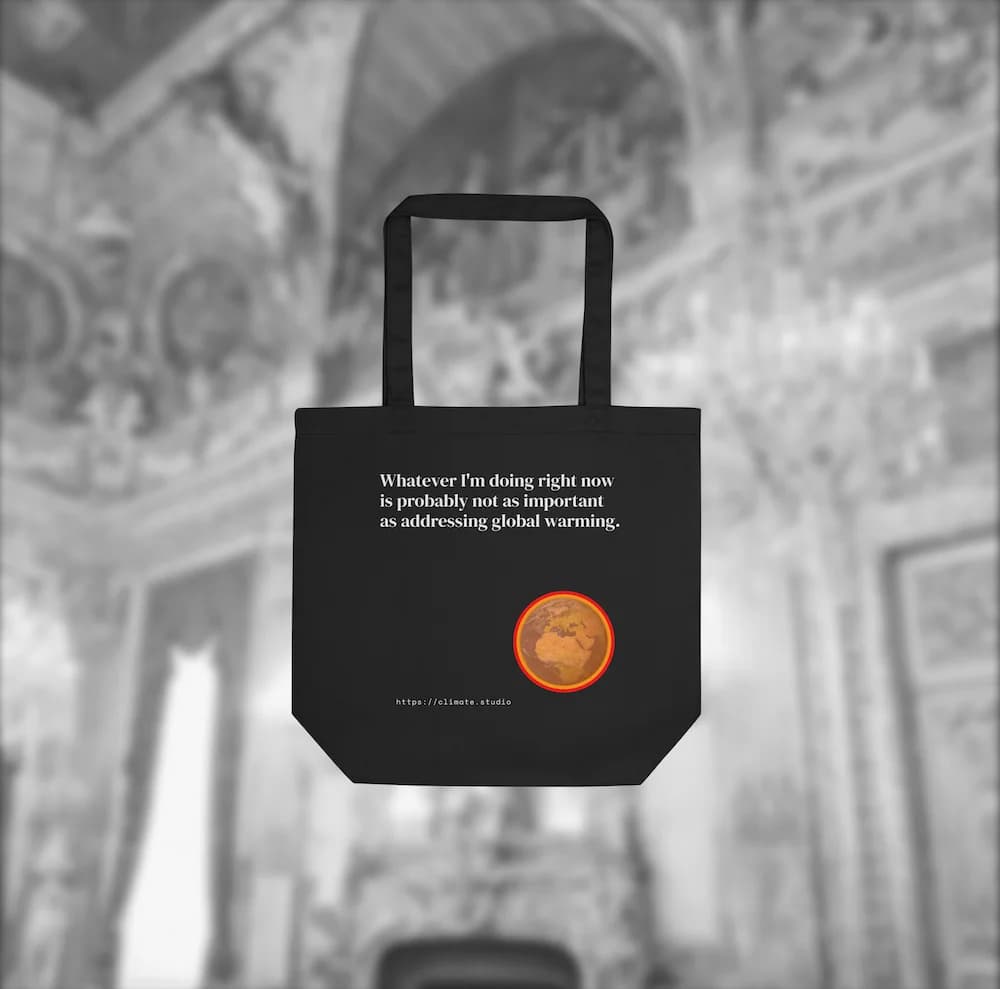
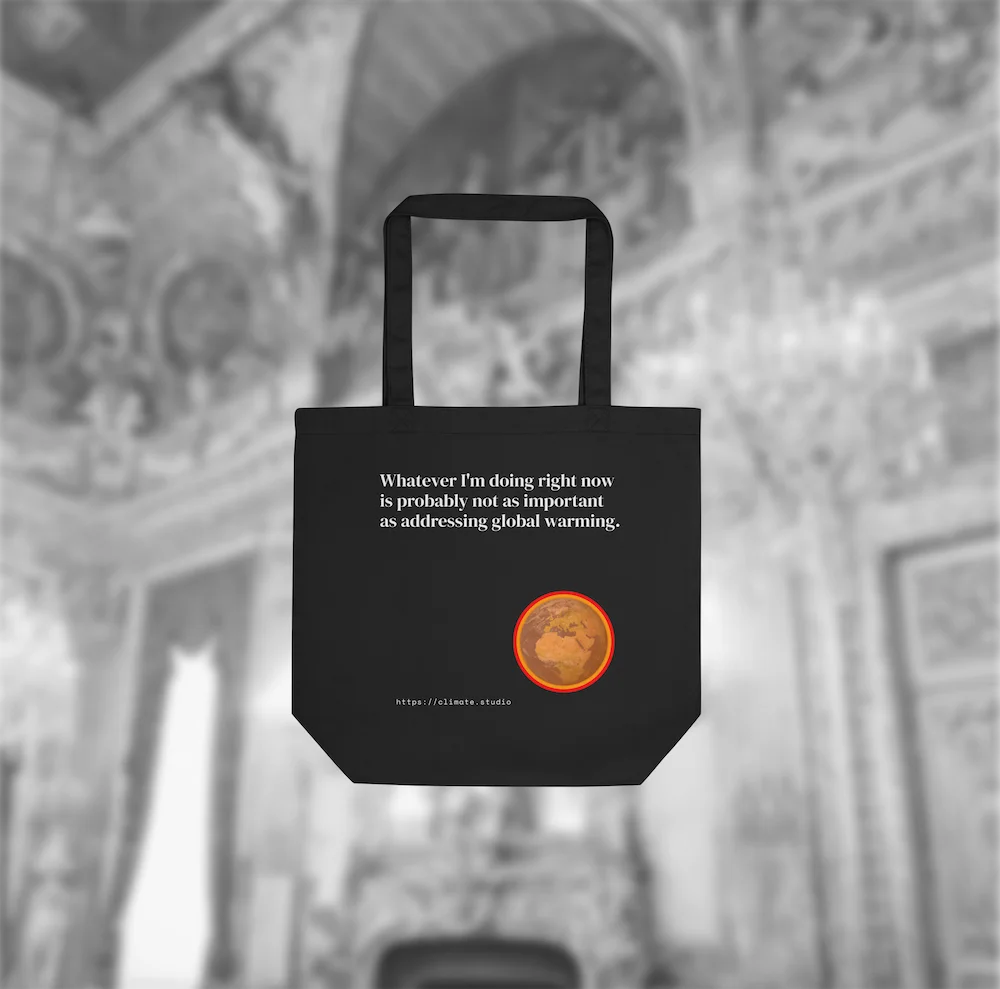
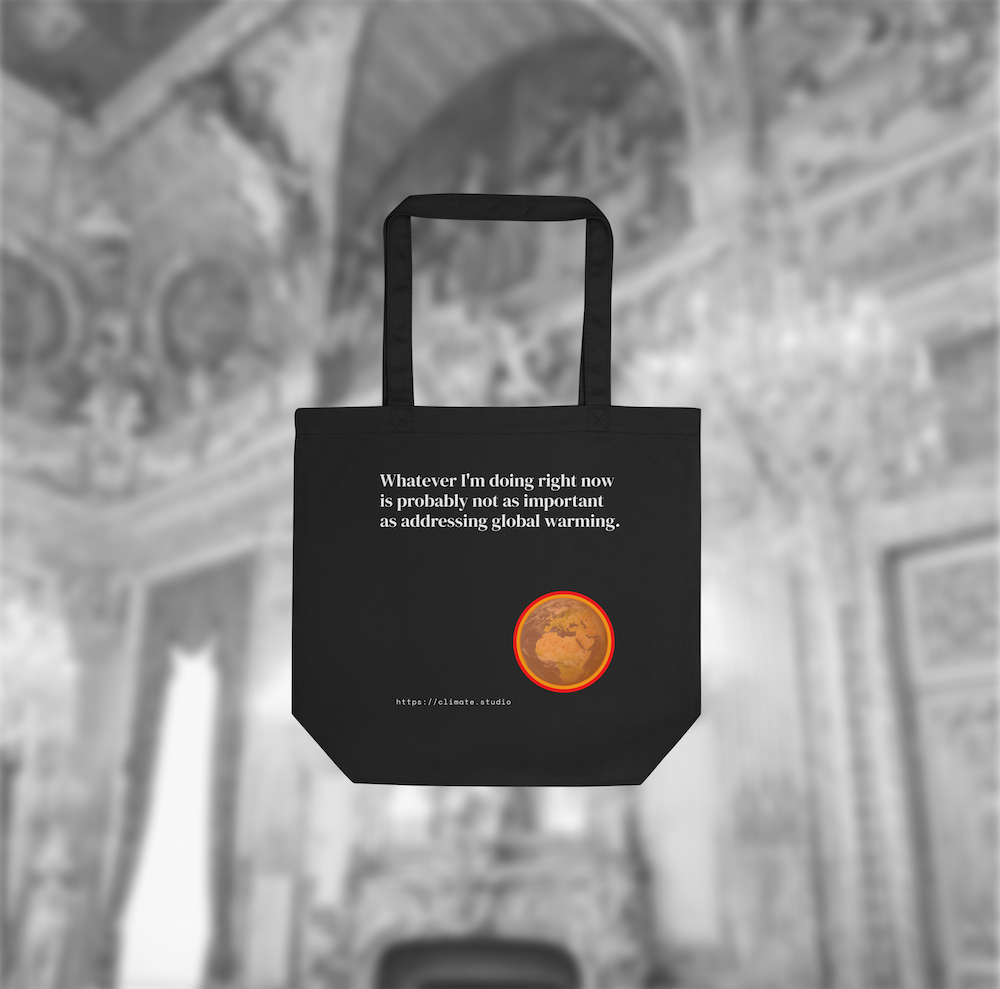
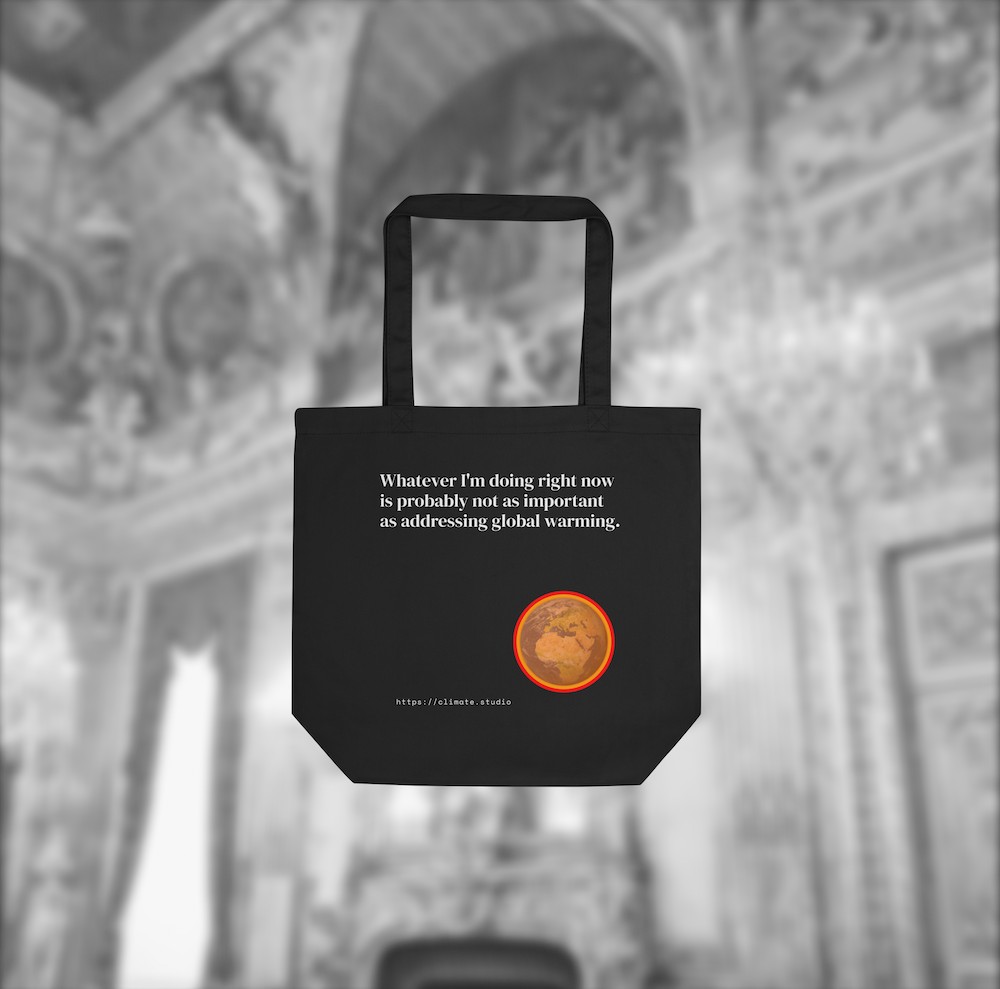
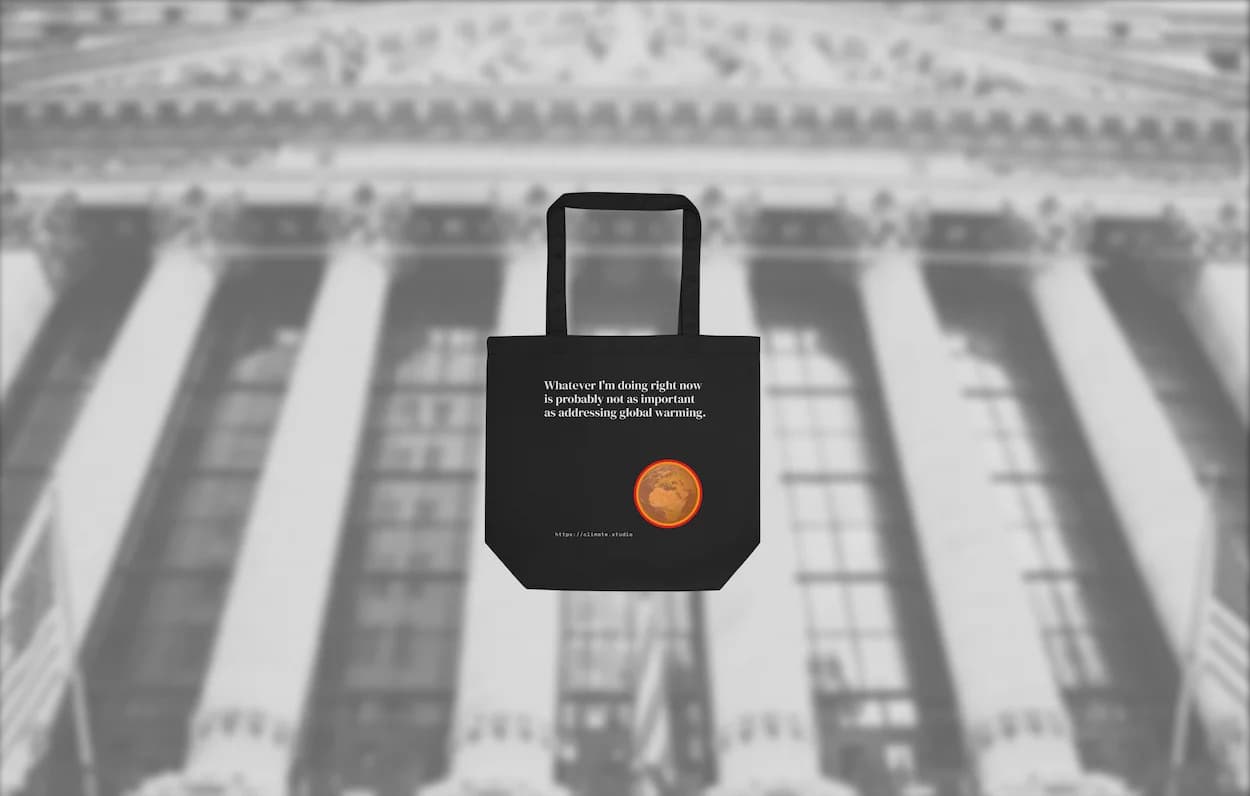
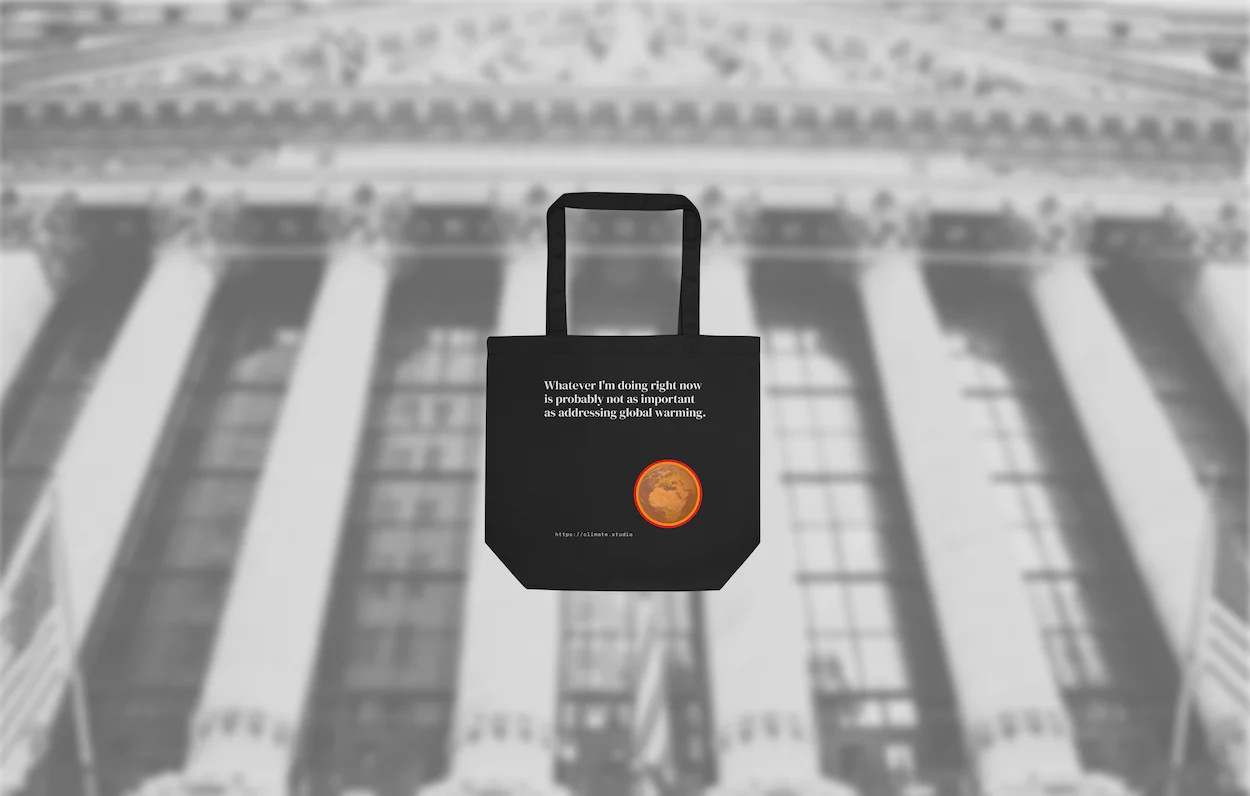
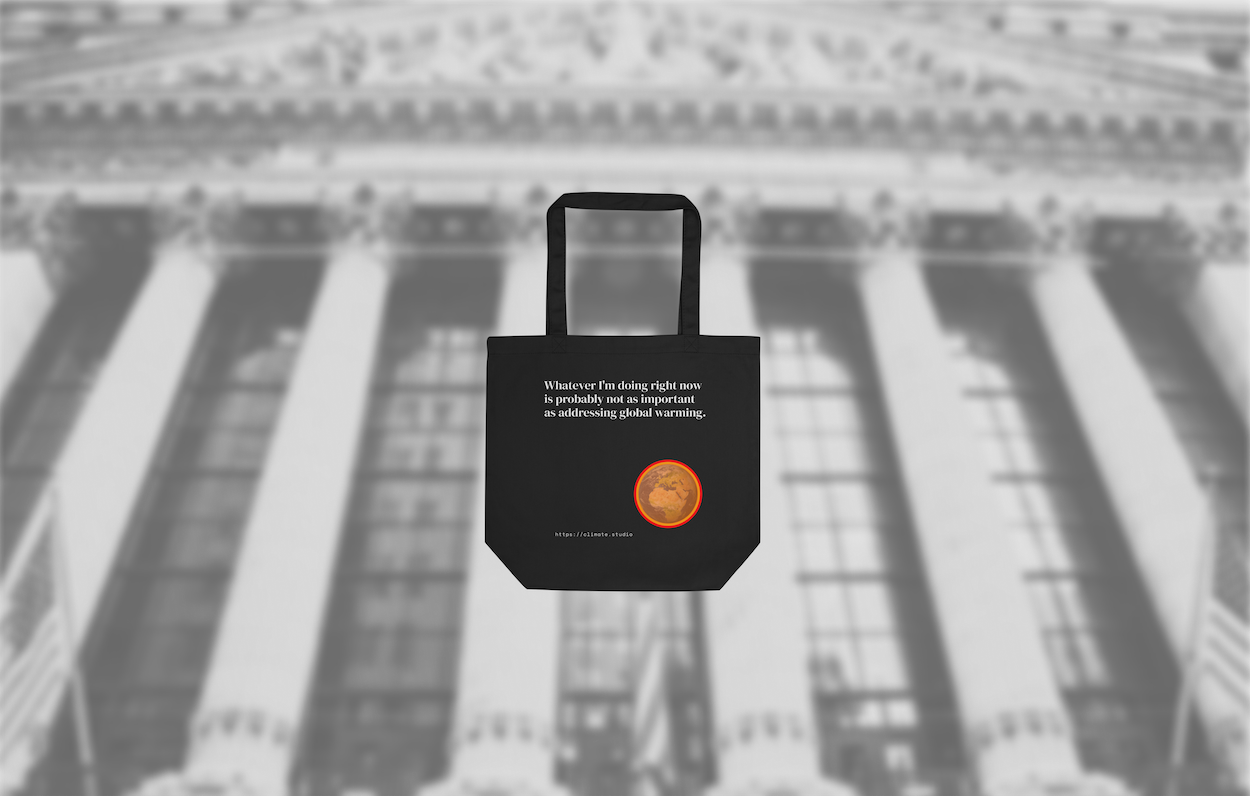
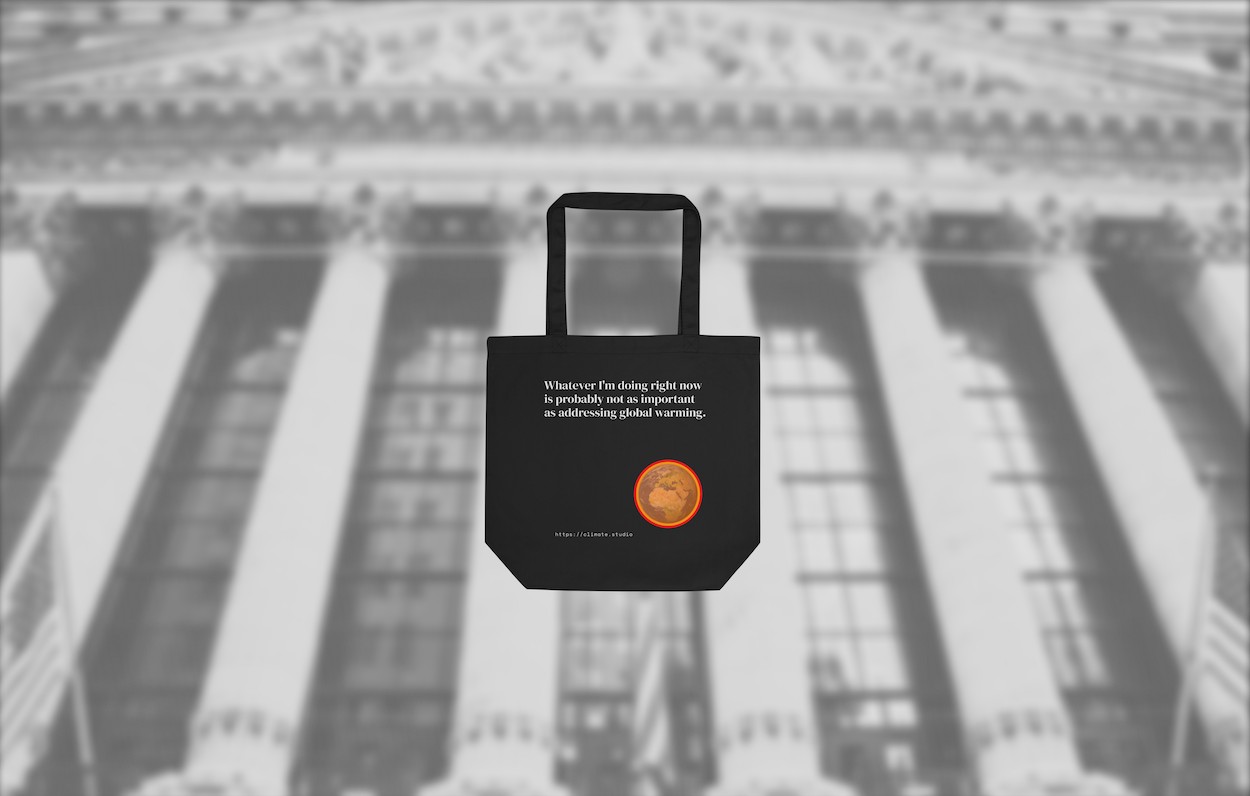
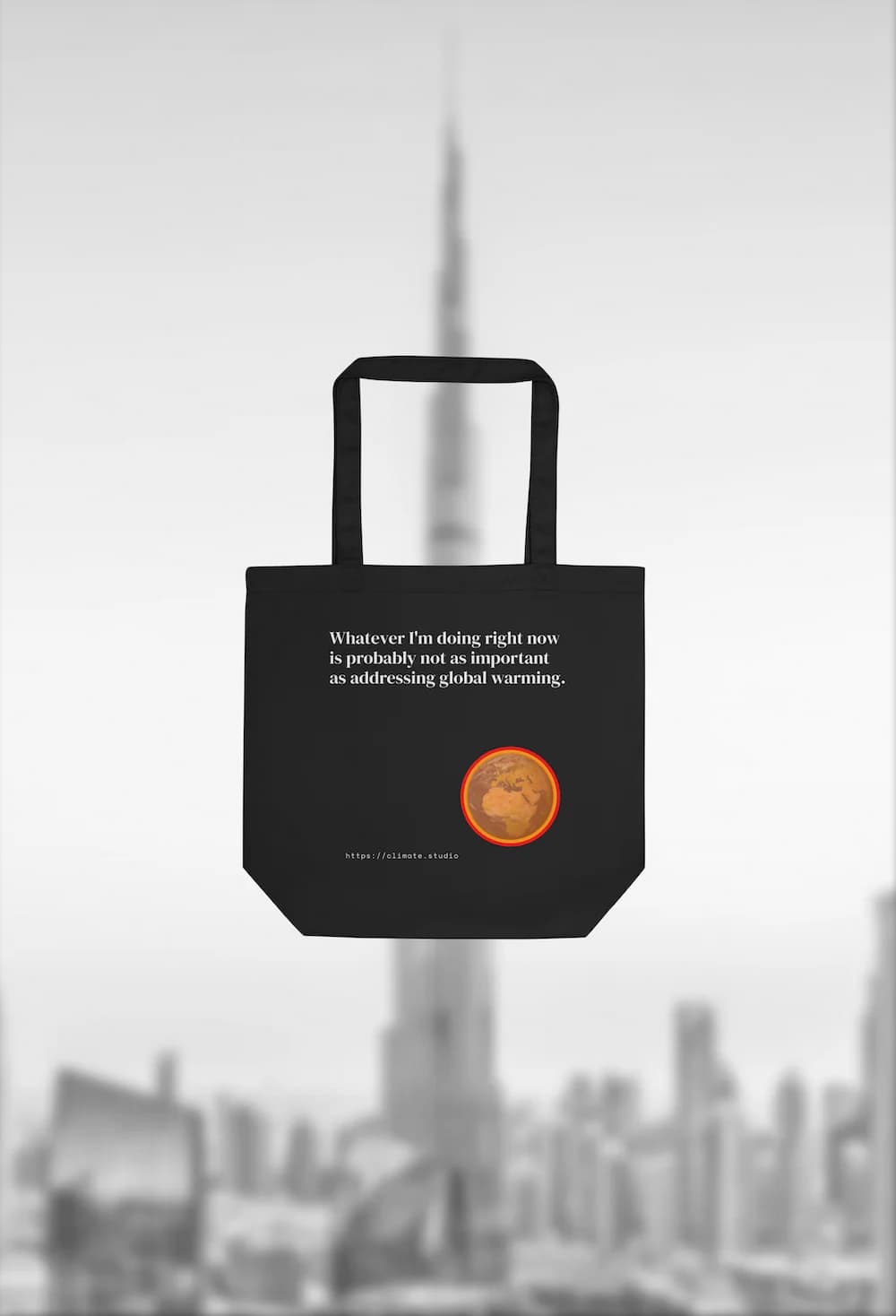
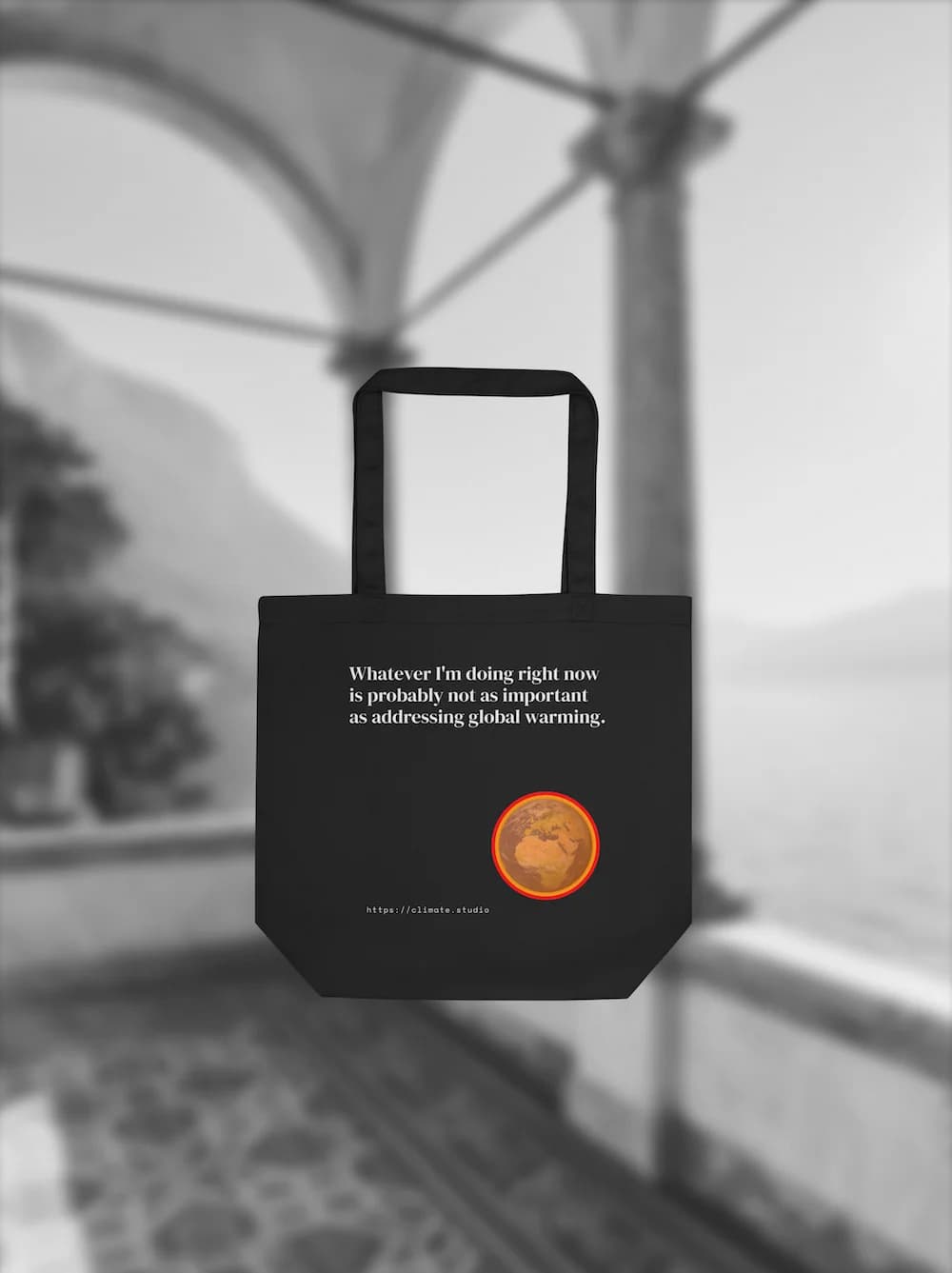
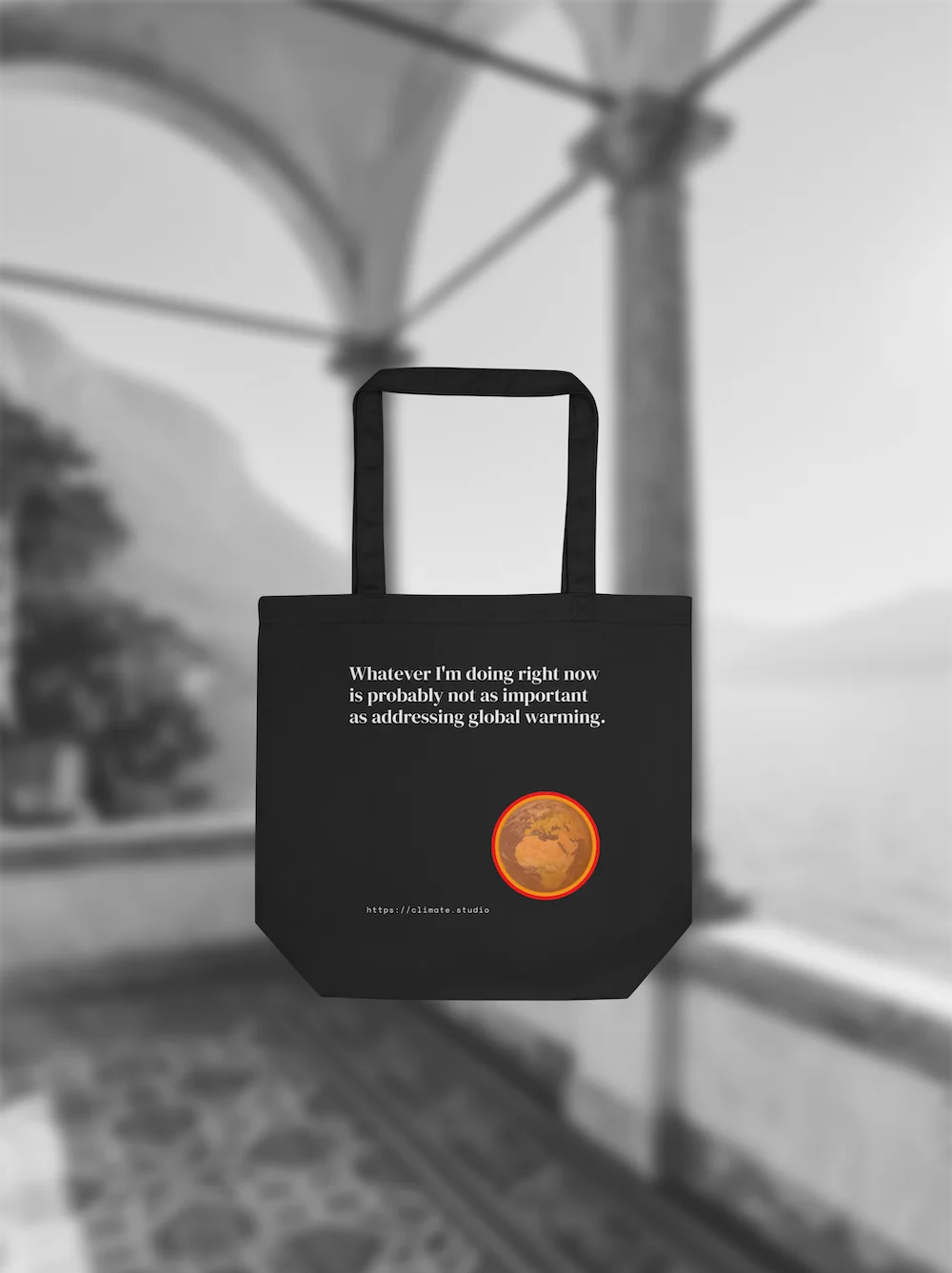
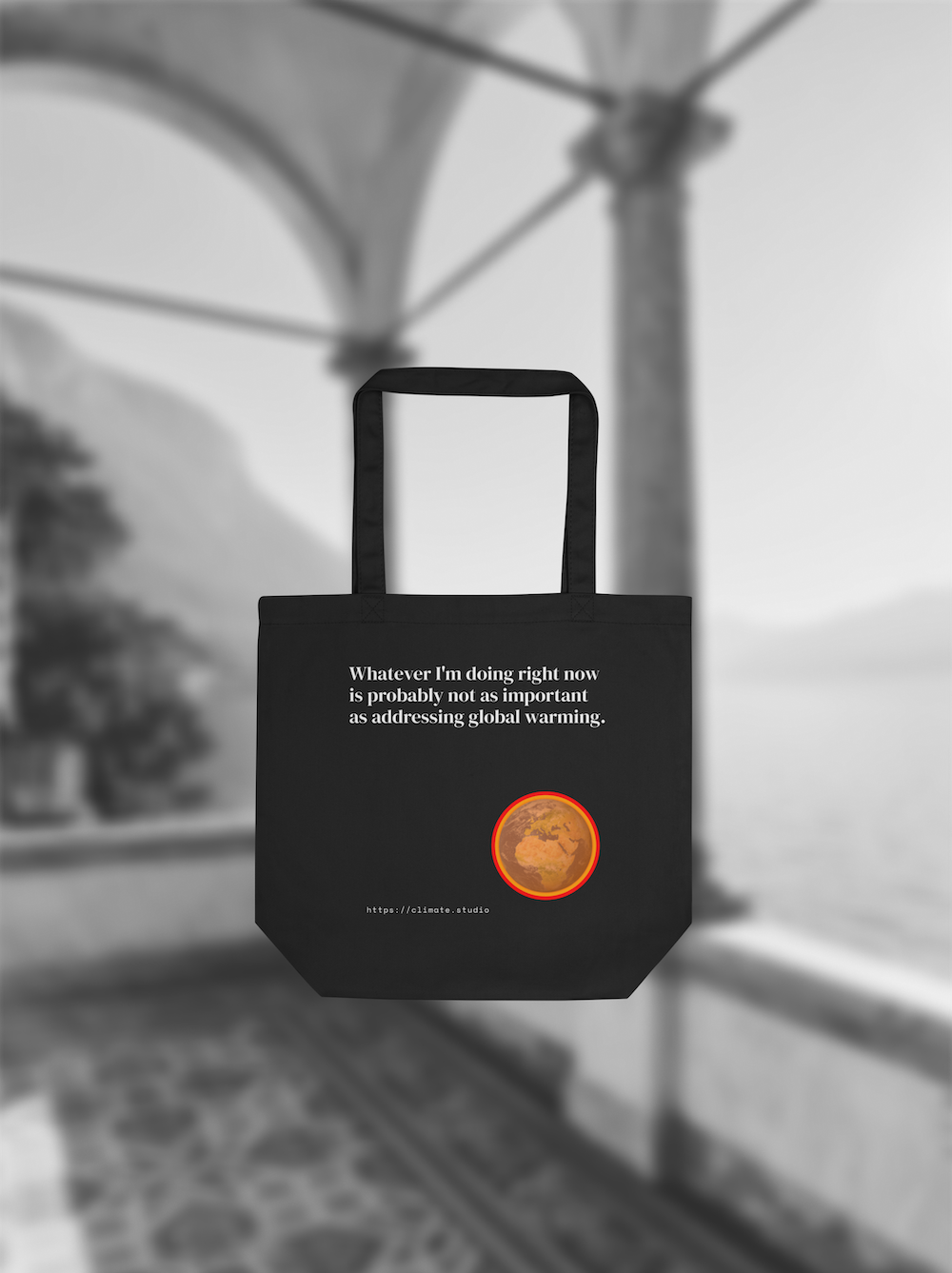
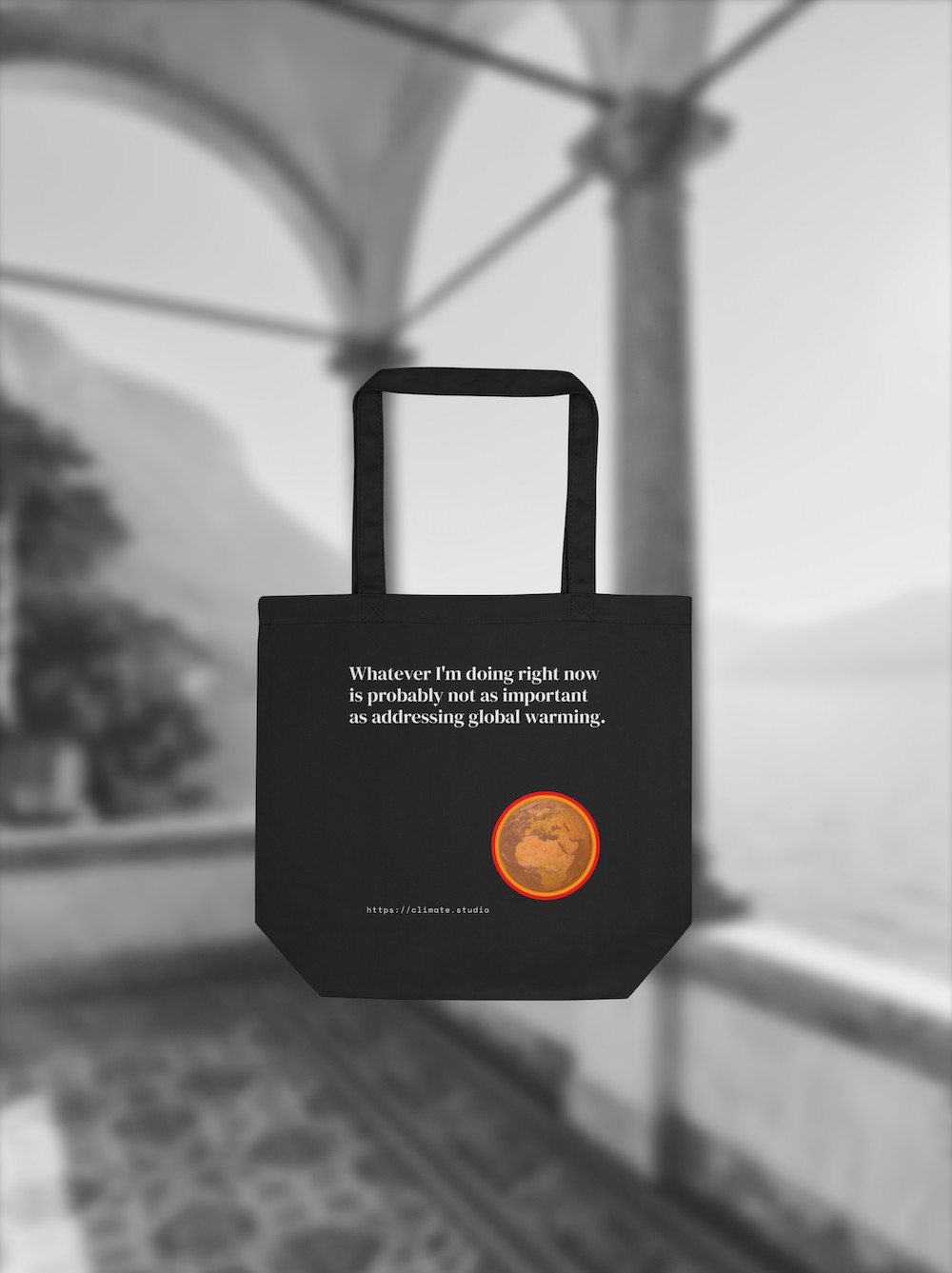
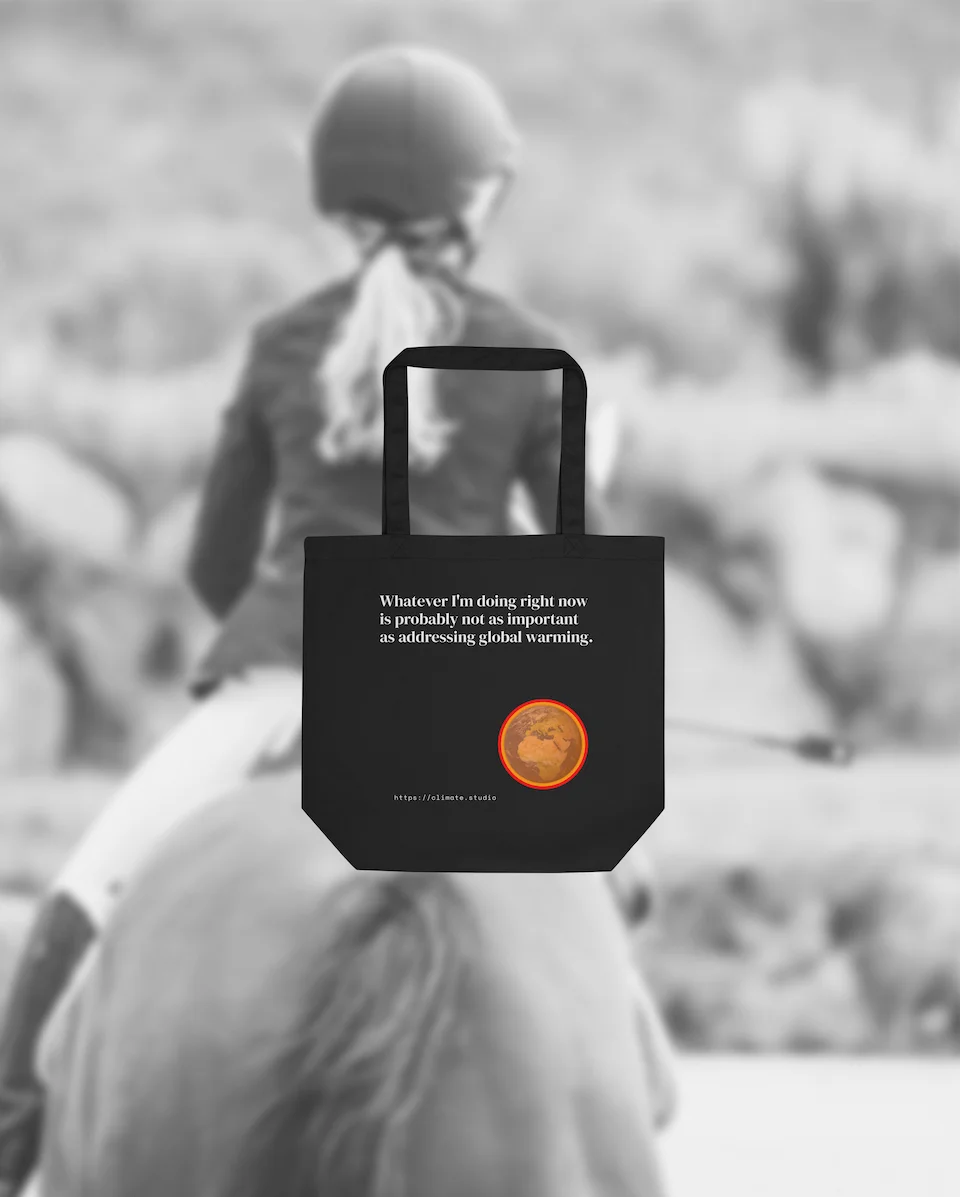
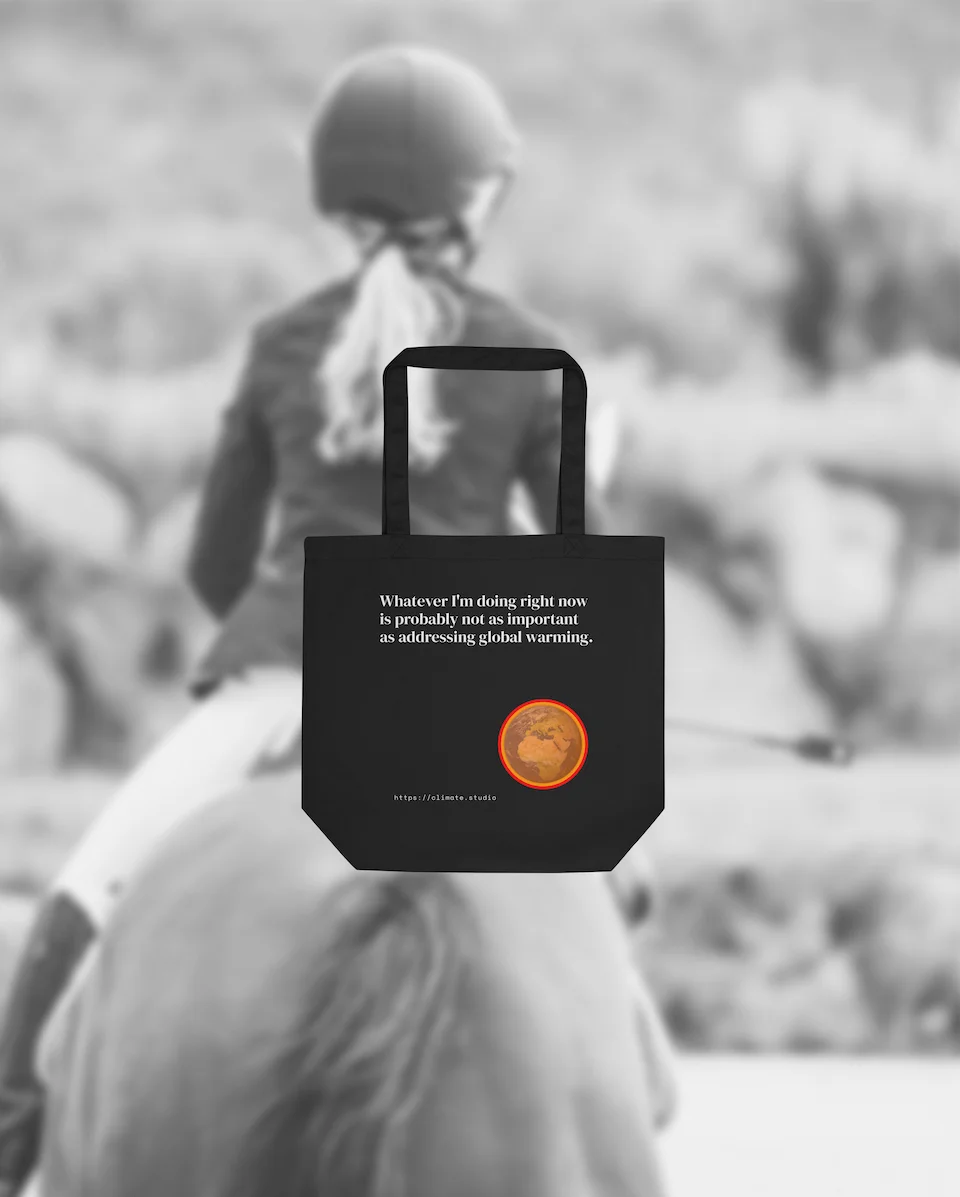
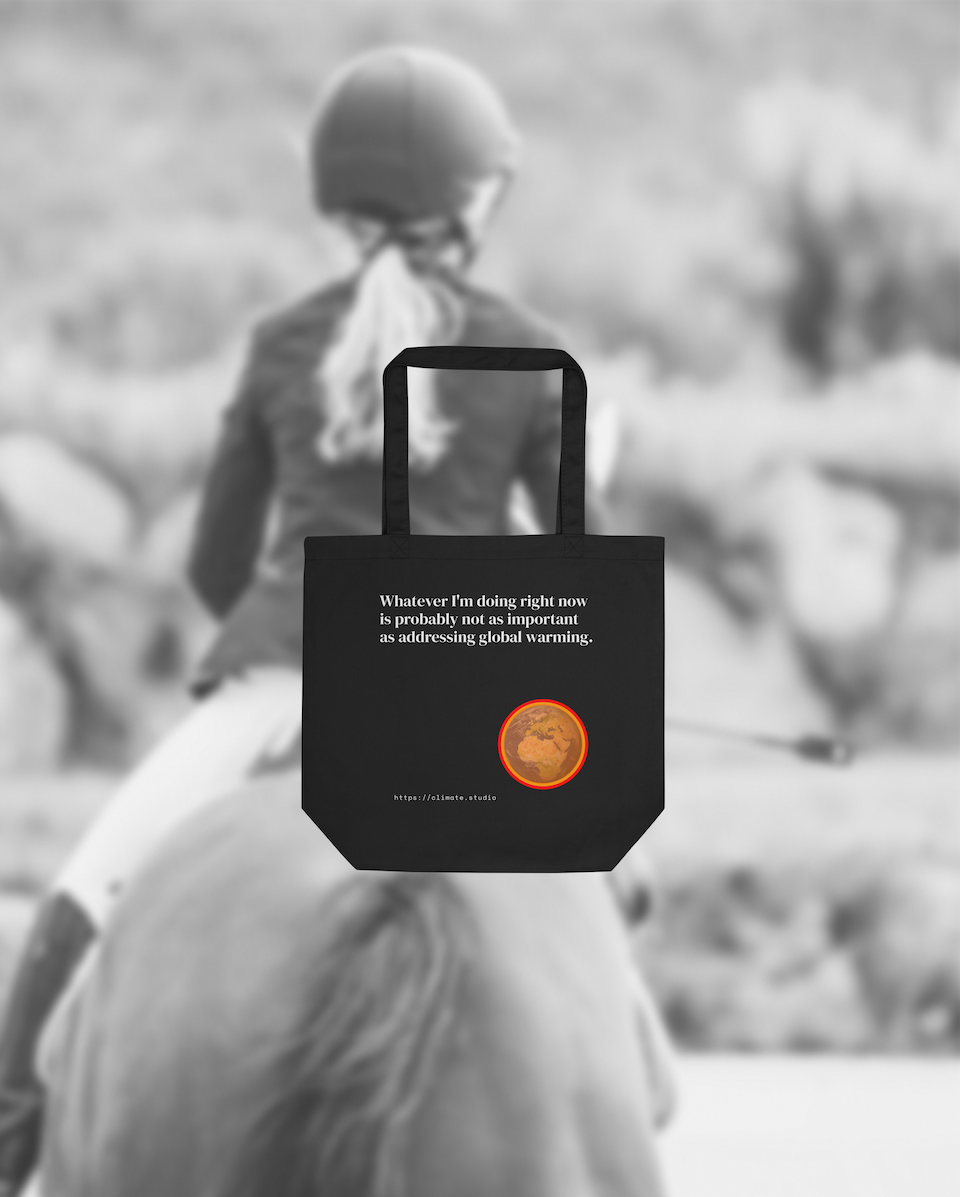
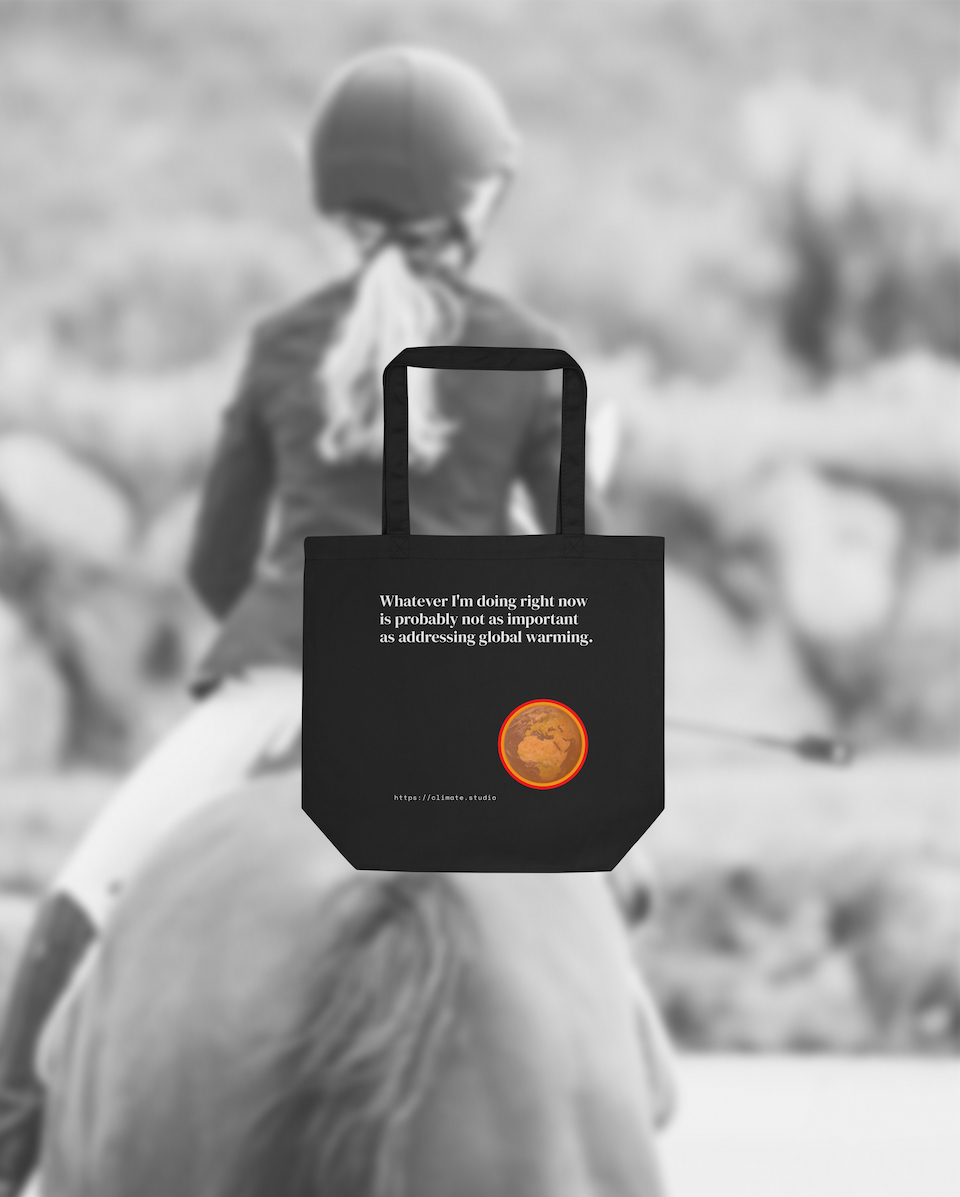
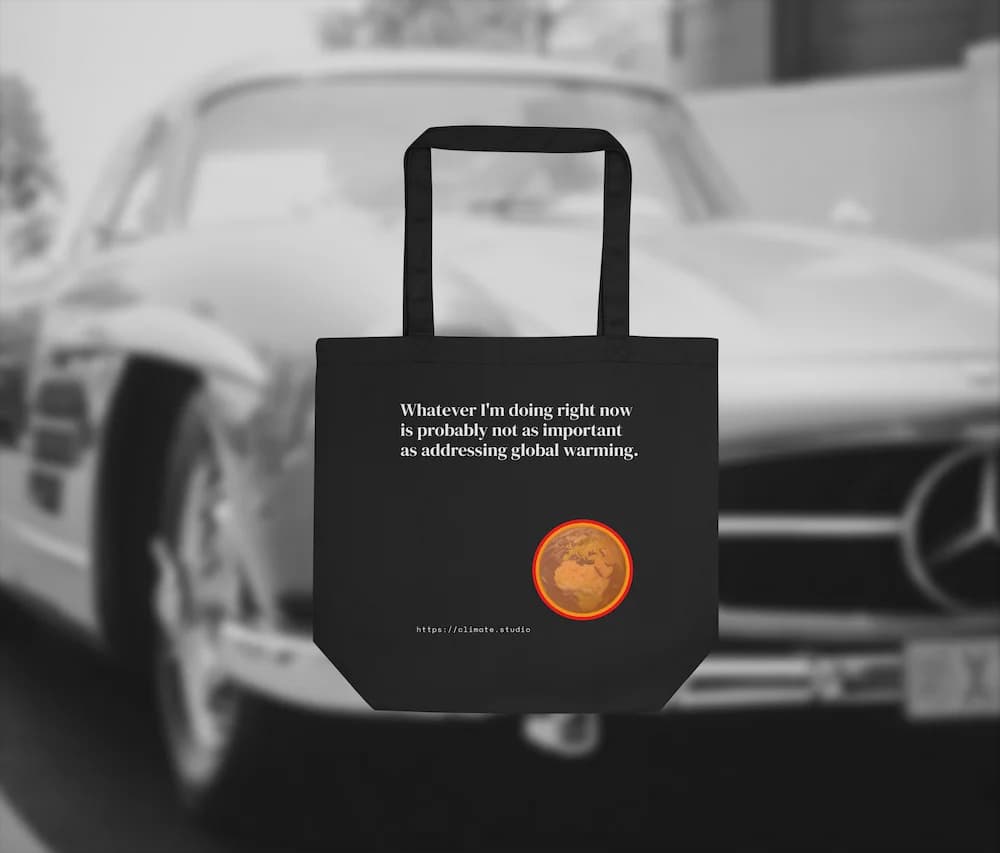
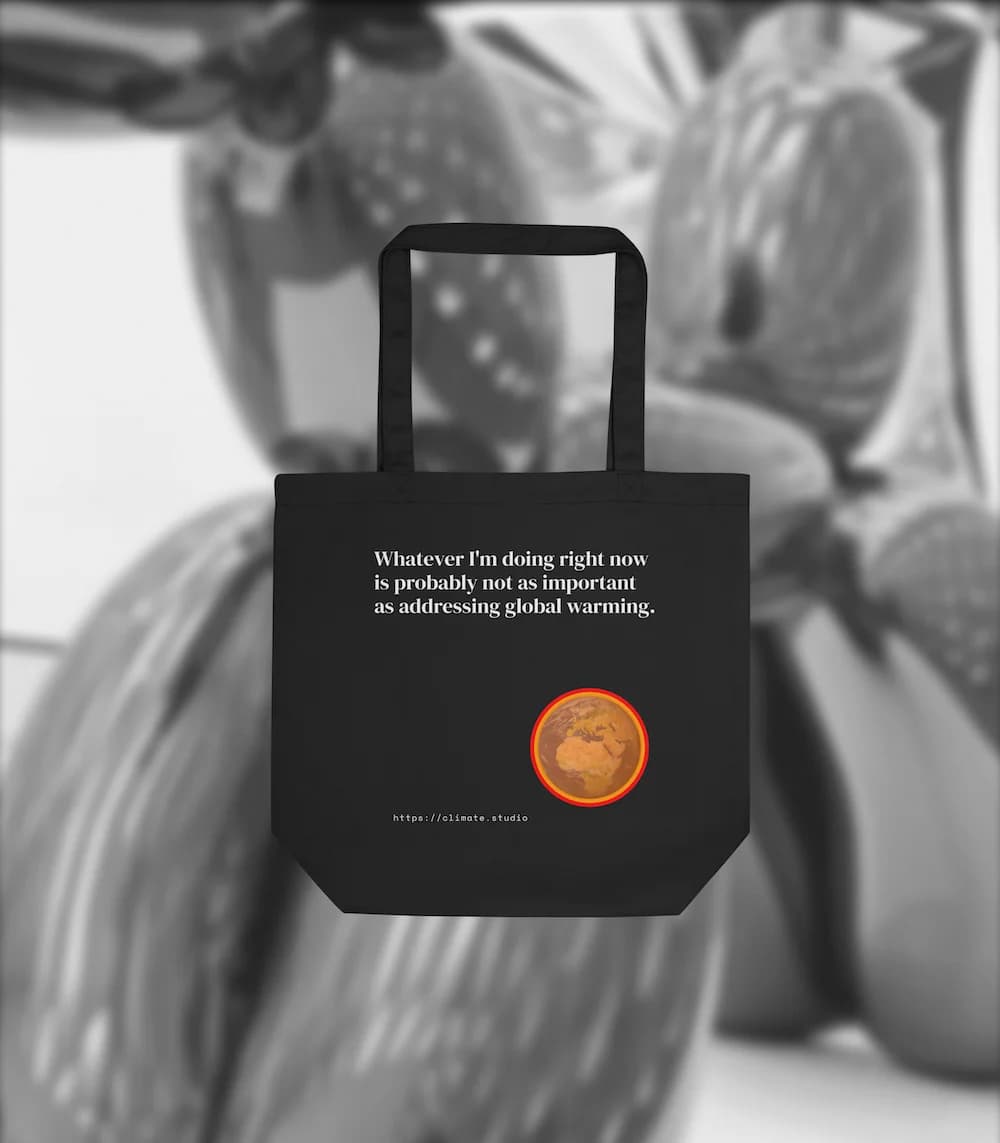
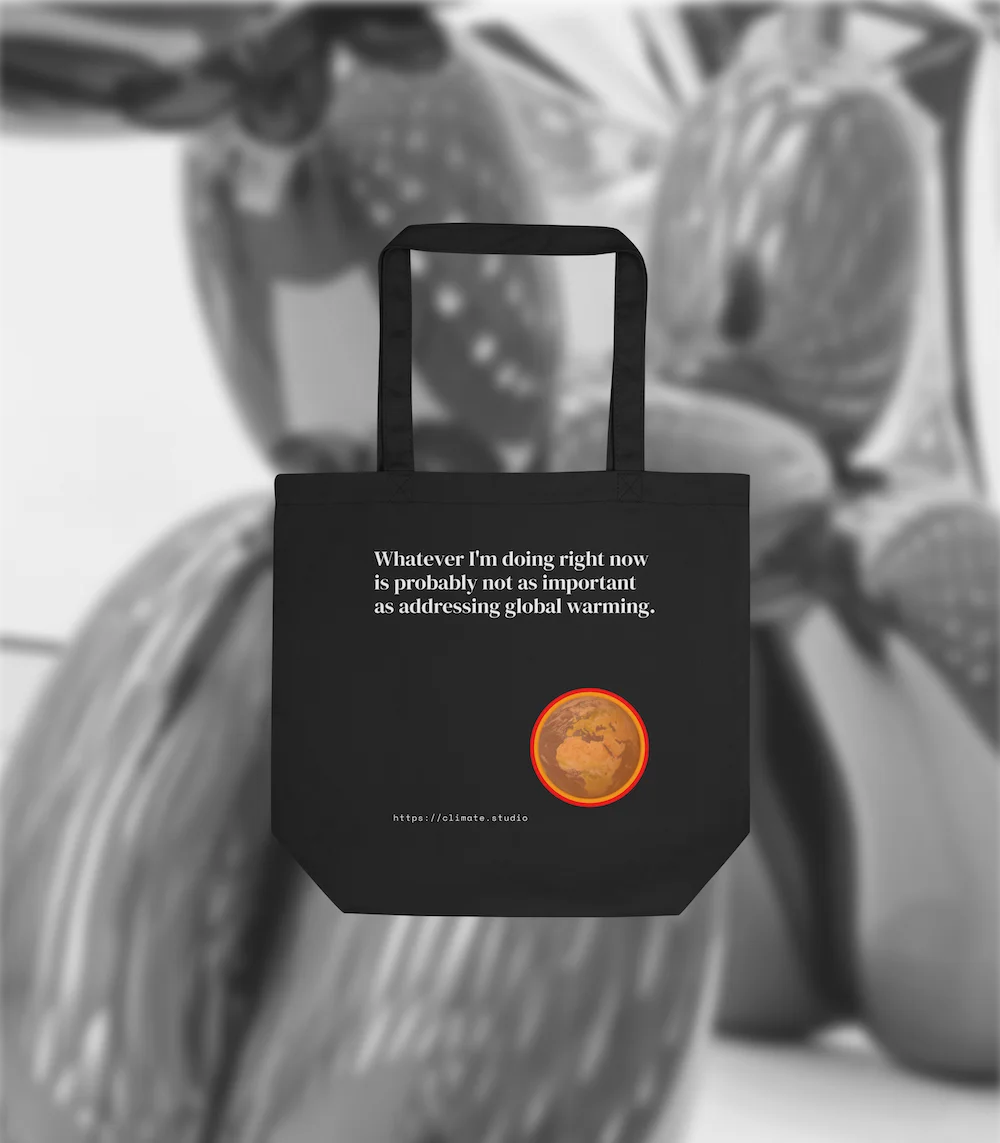
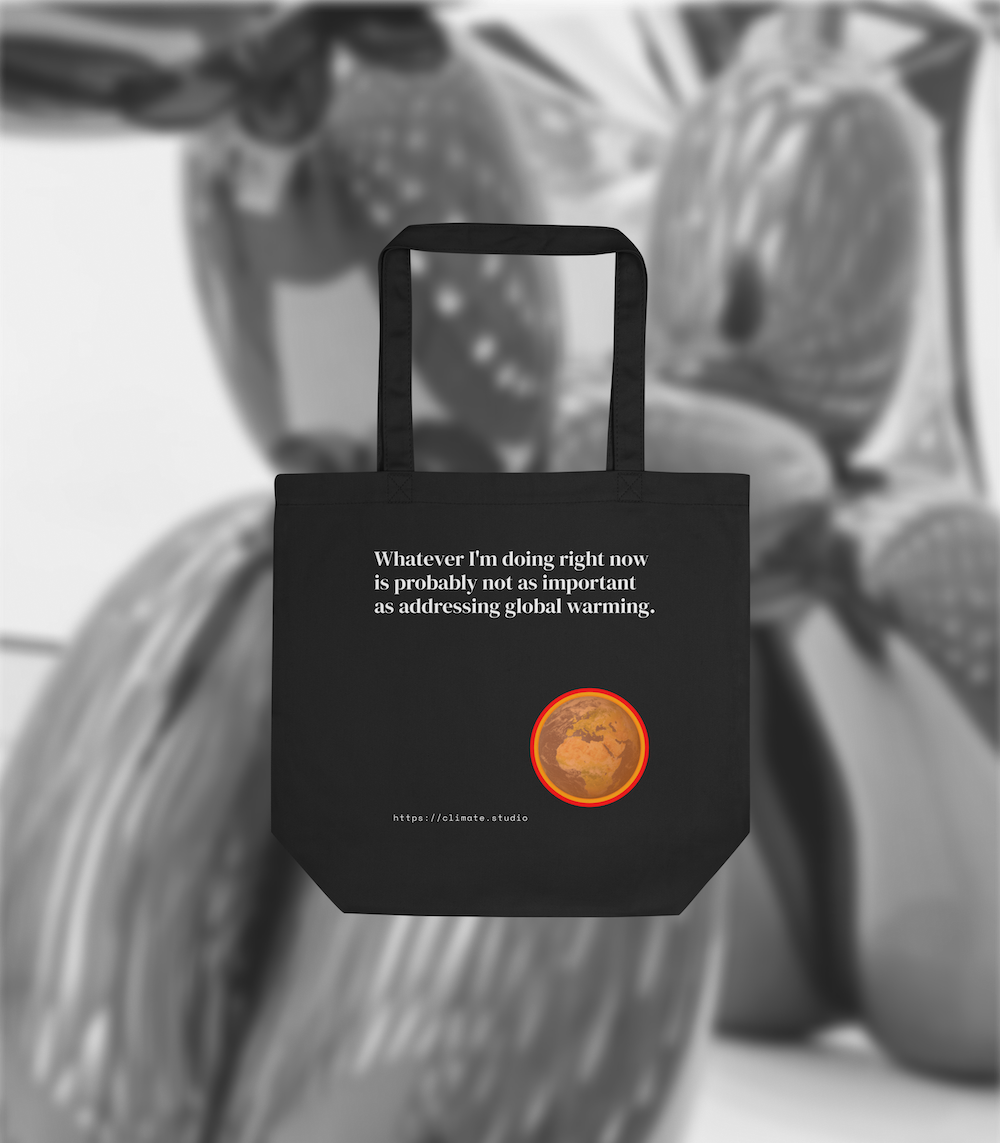
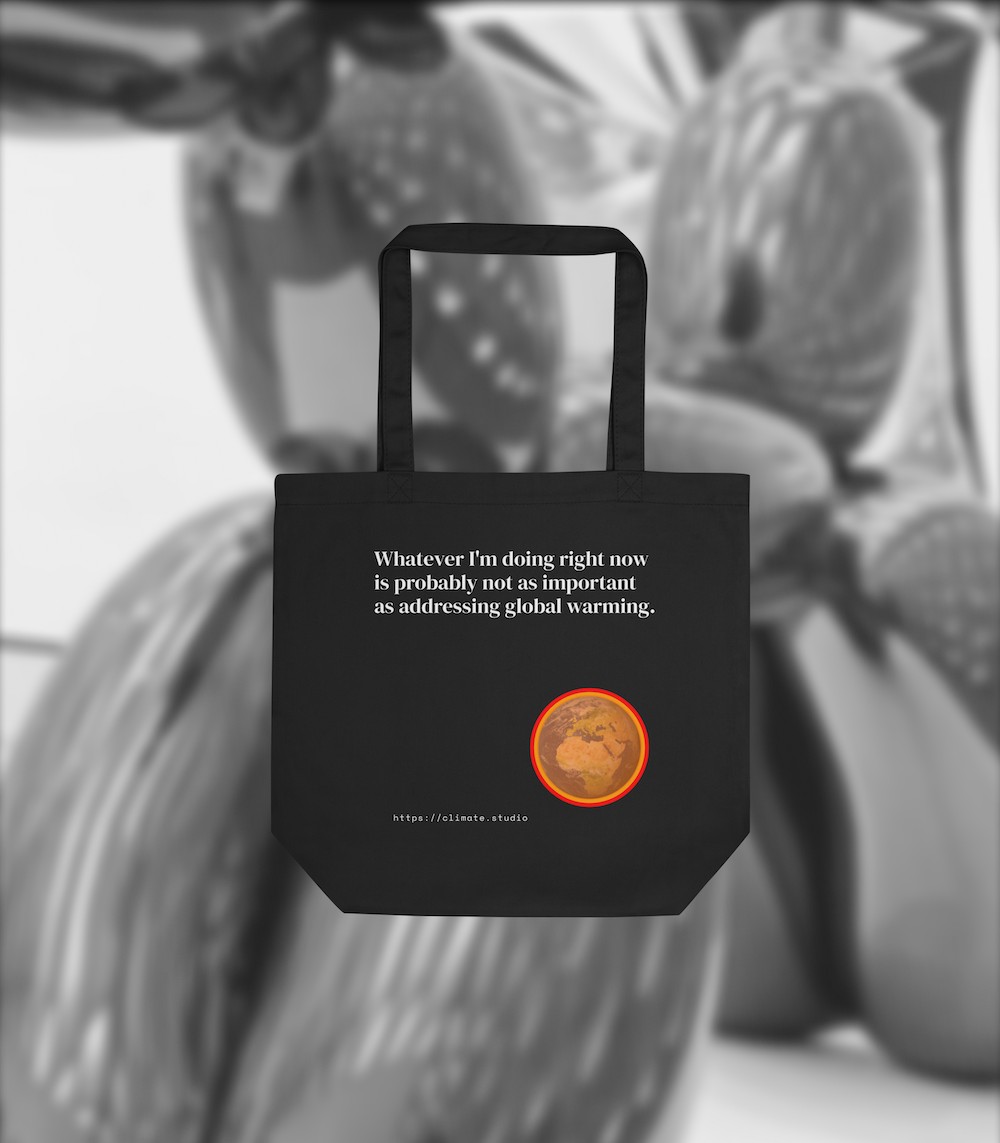
Climate.Studio is a speculative design project by London-based designer J. Paul Neeley that uses luxury fashion as a vehicle for climate provocation. The project produces limited-edition tote bags priced at £1,000,000 and £12,650, along with free digital tools, to create what Neeley calls “declarations of context” on the climate crisis.
Designer Creates the World's Most Expensive Tote Bag as a Climate Provocation
London-based speculative designer prices tote at £1,000,000, a limited edition of 2,781, one for each billionaire on the planet.
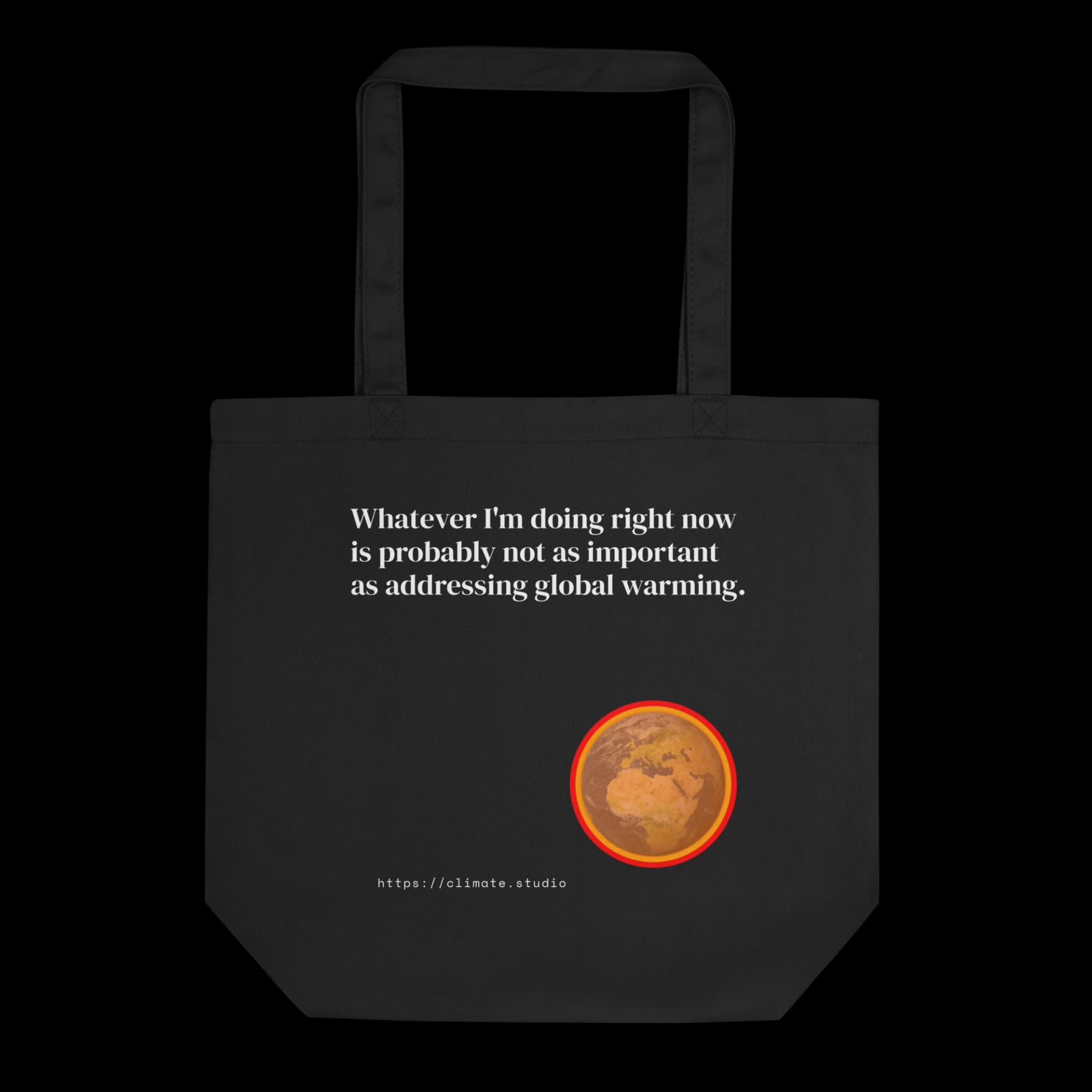
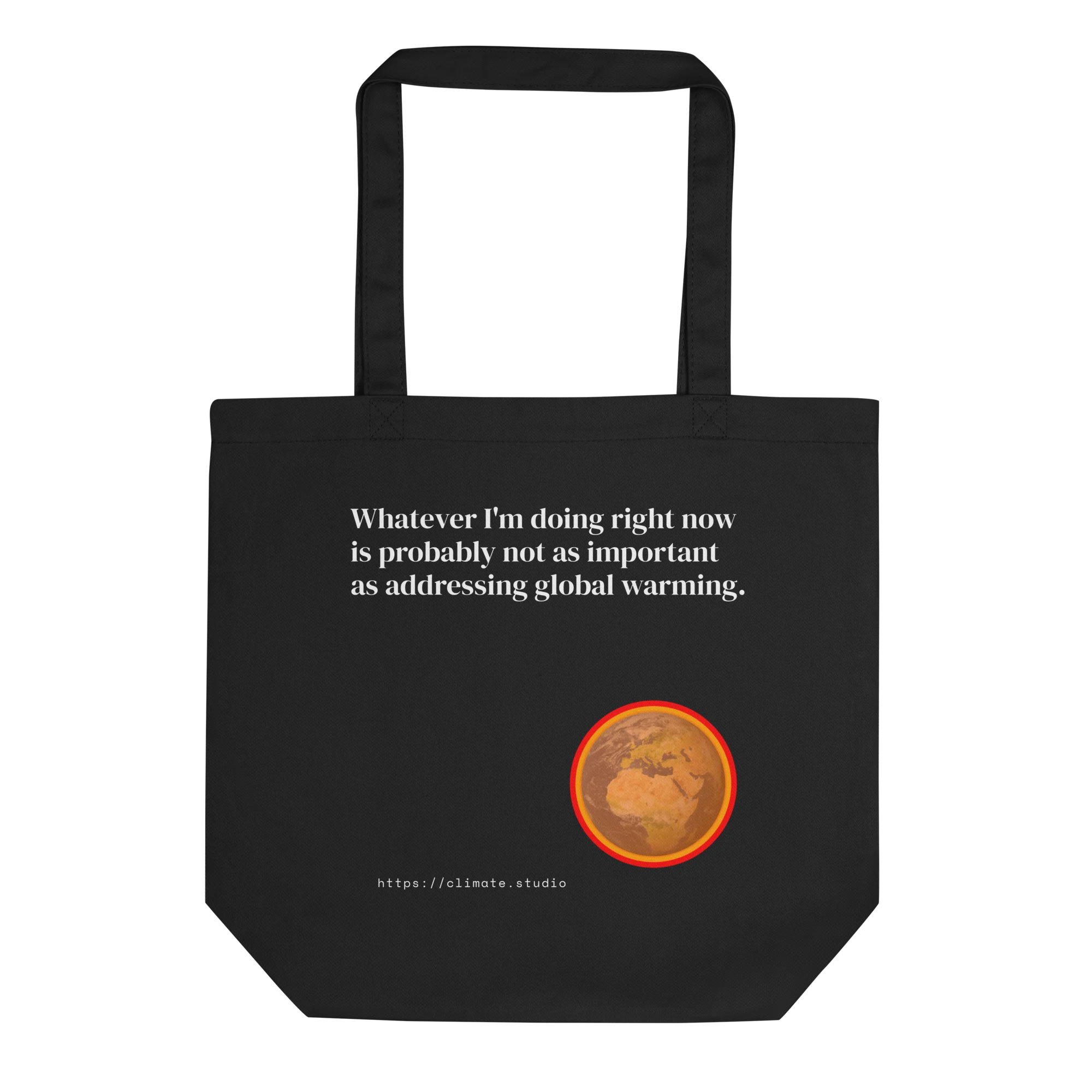
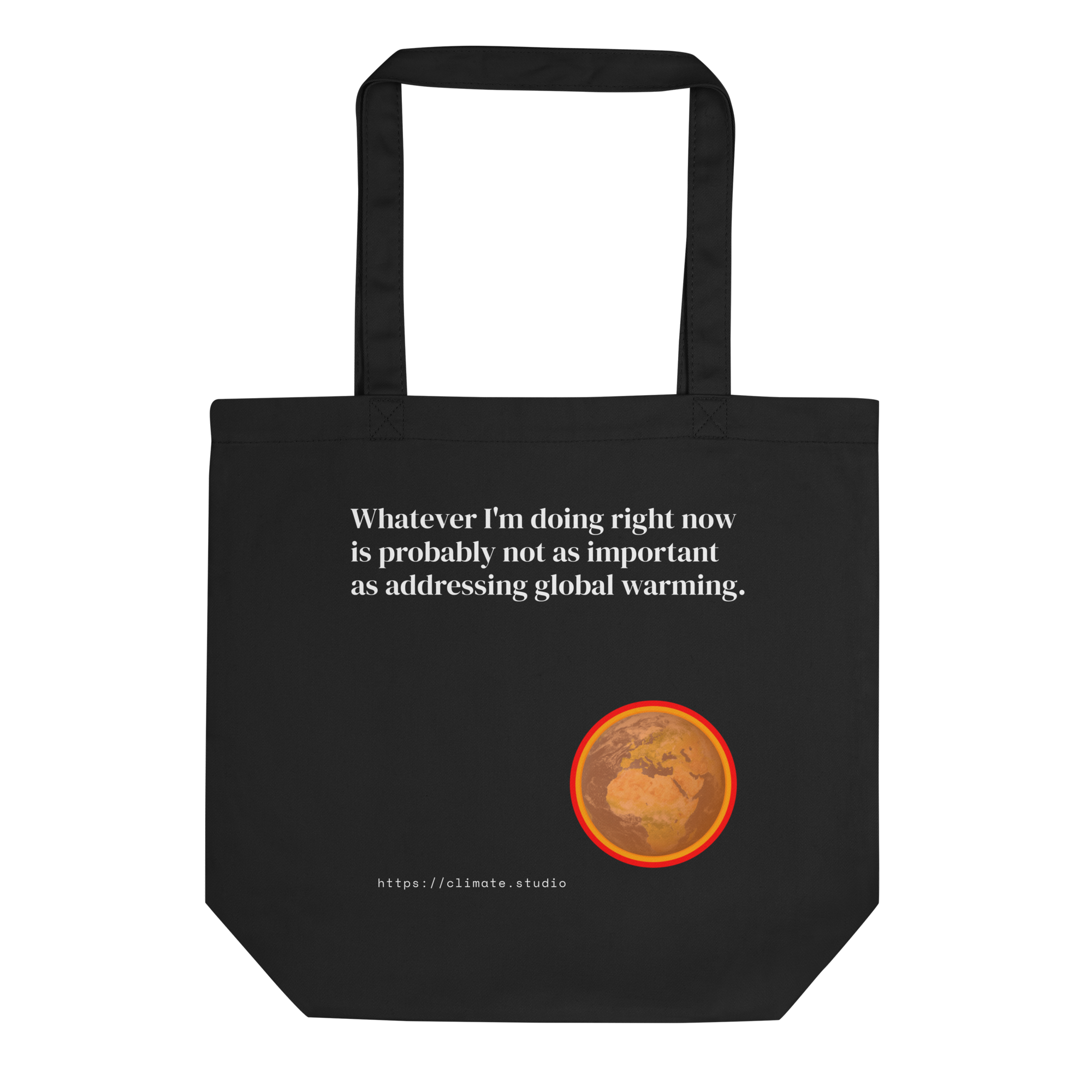
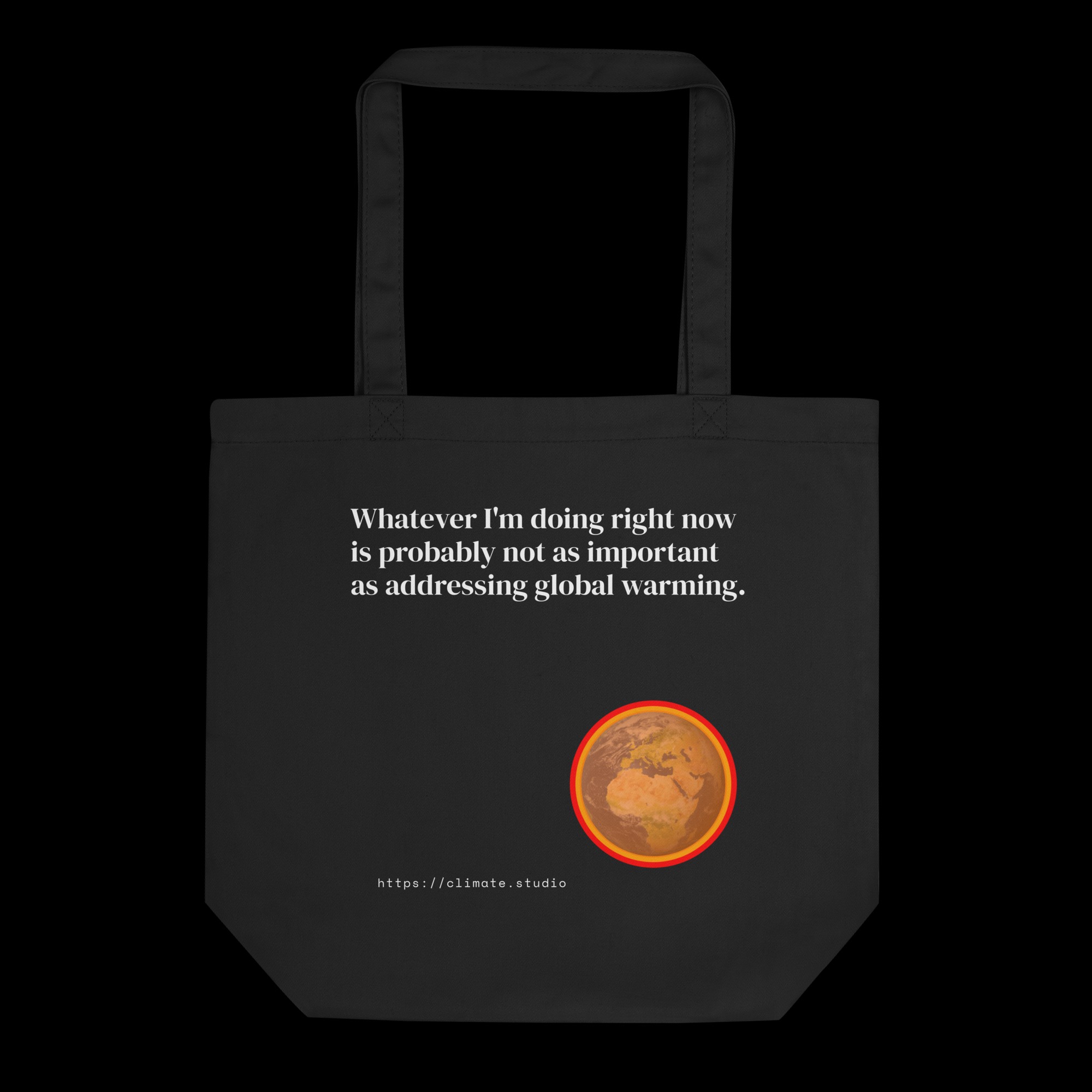
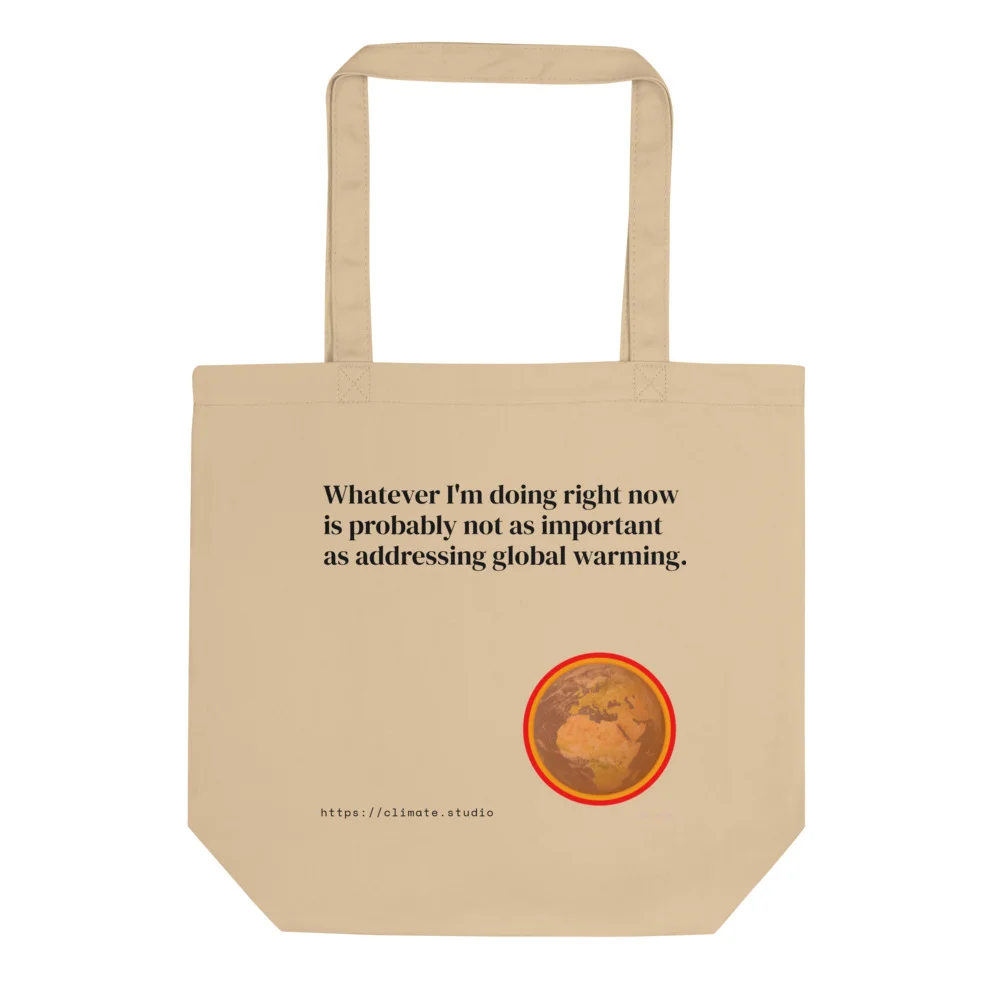
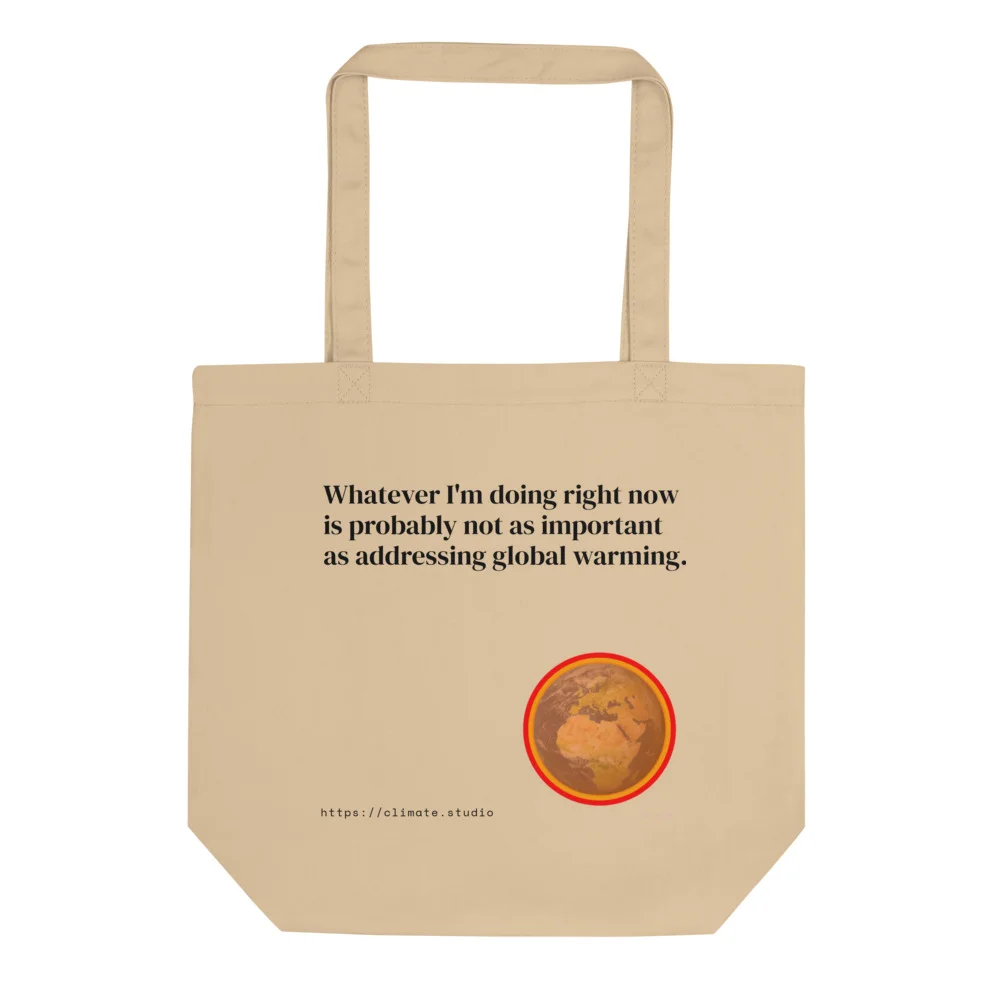
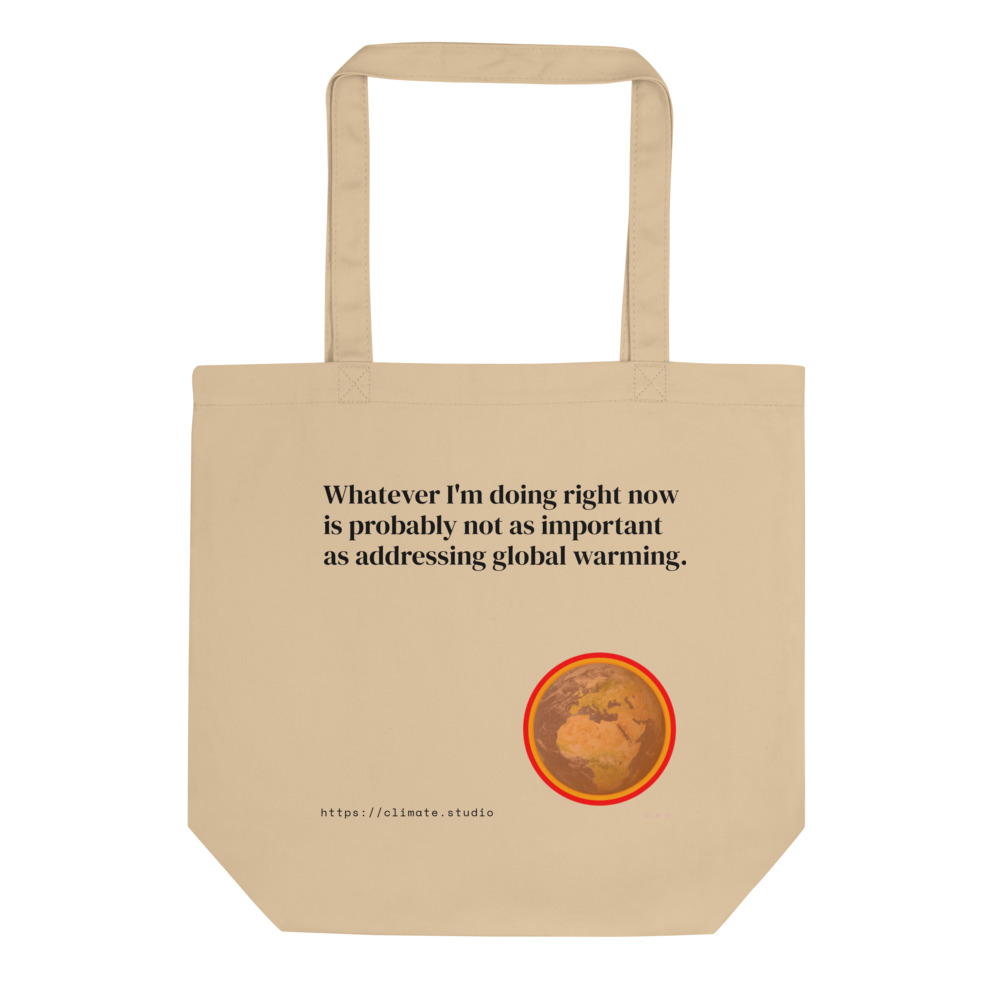
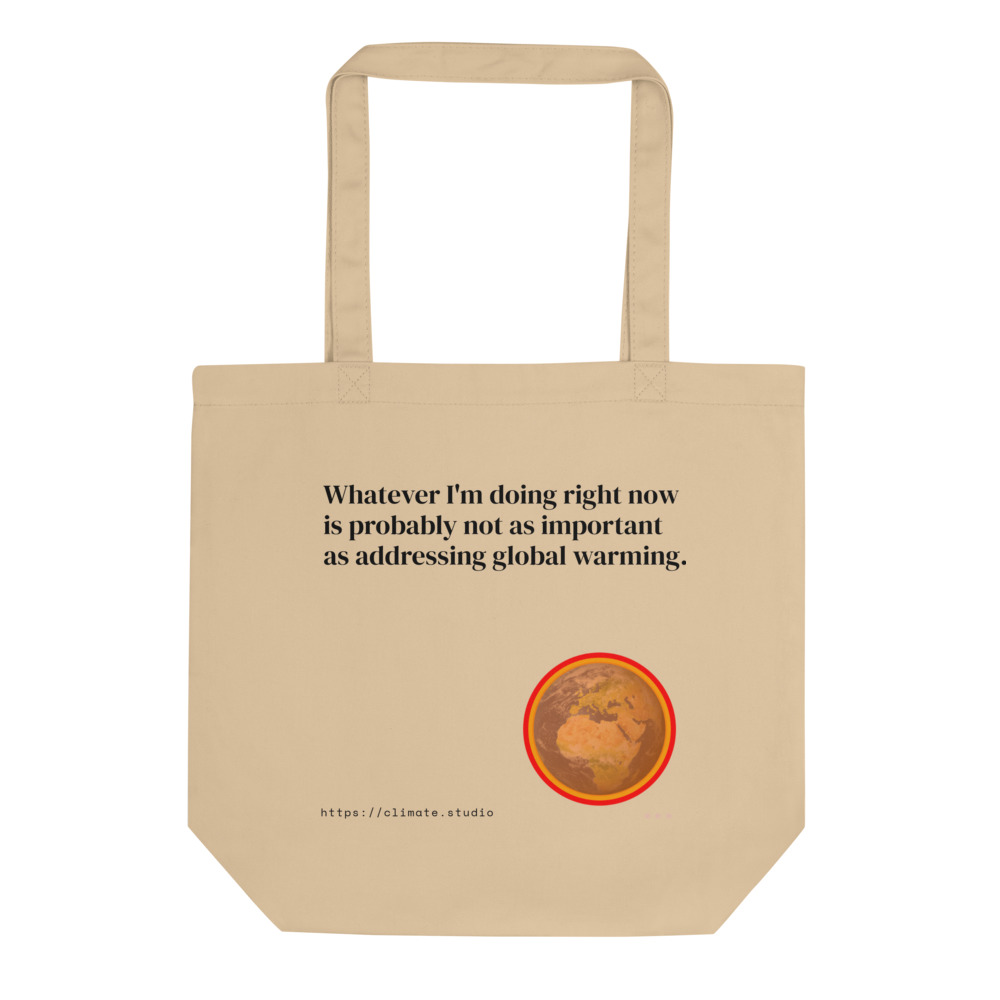
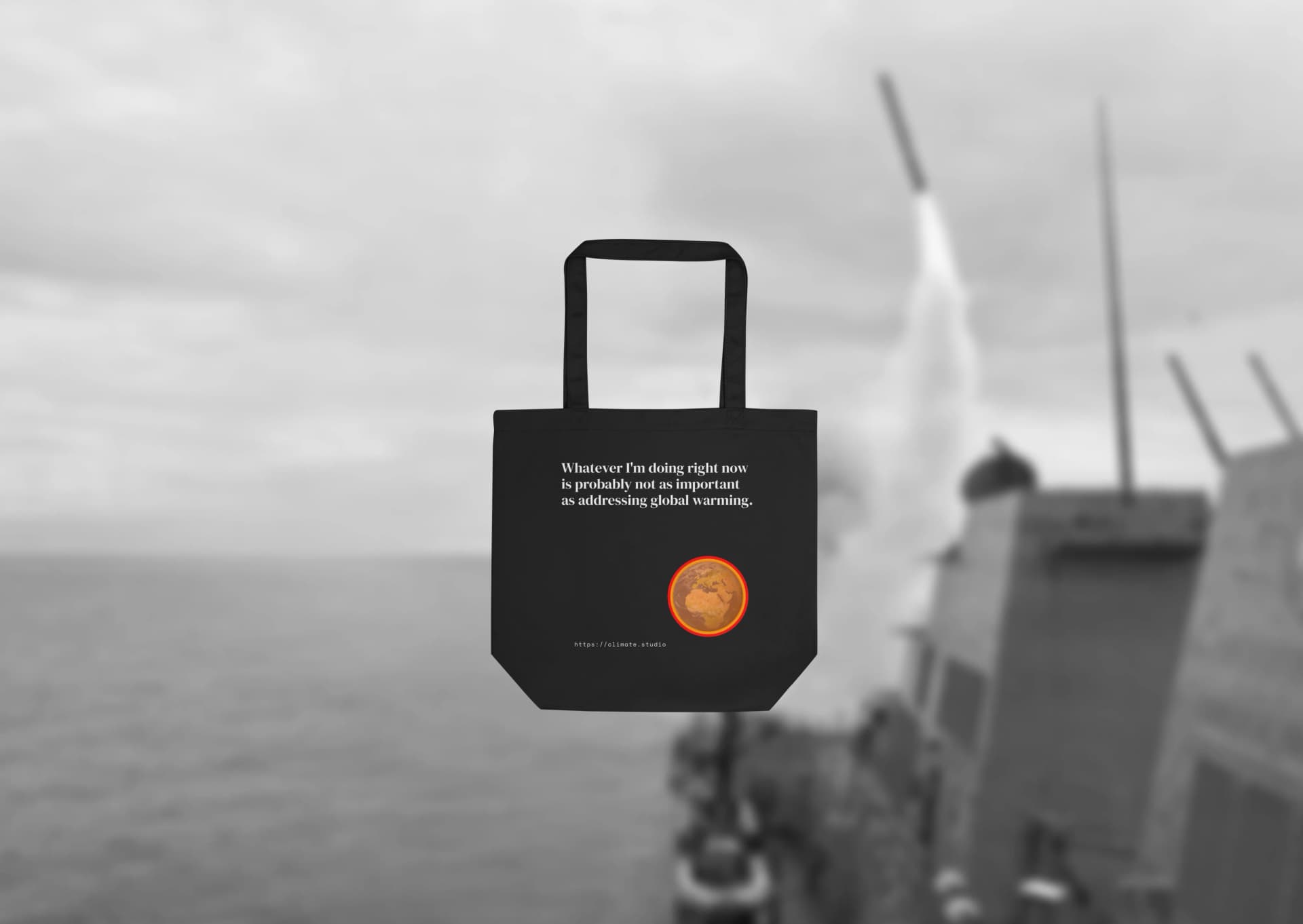
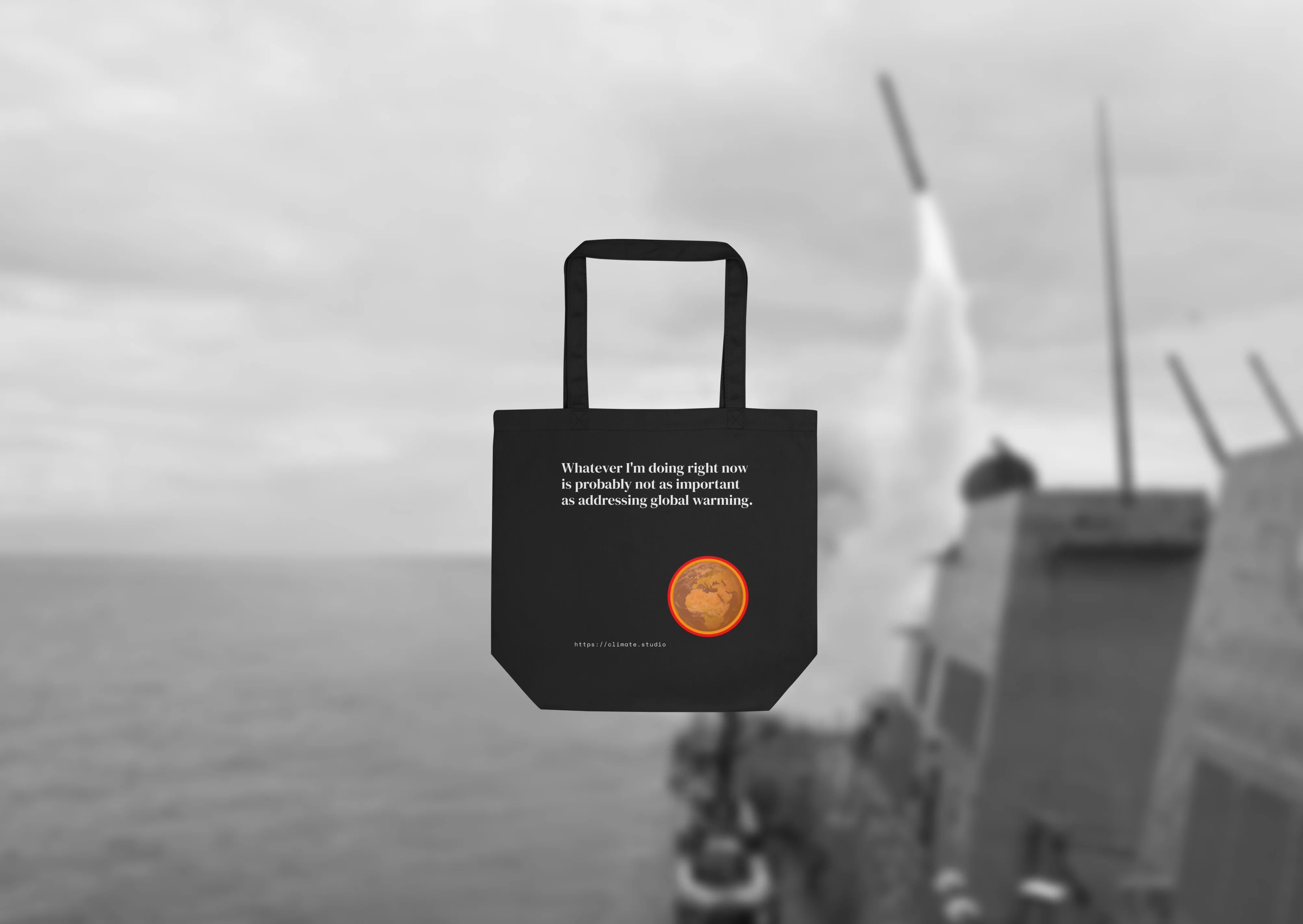
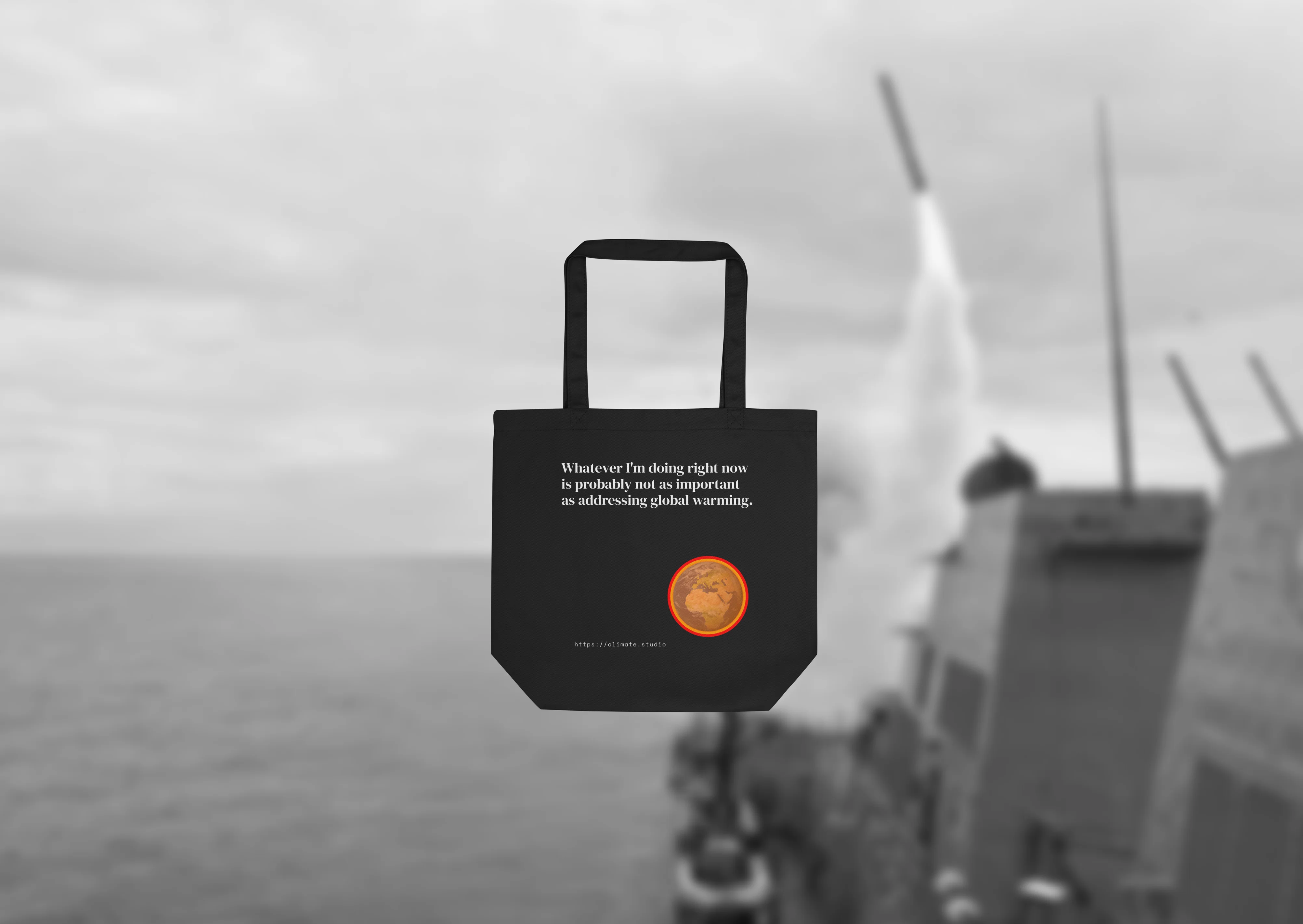
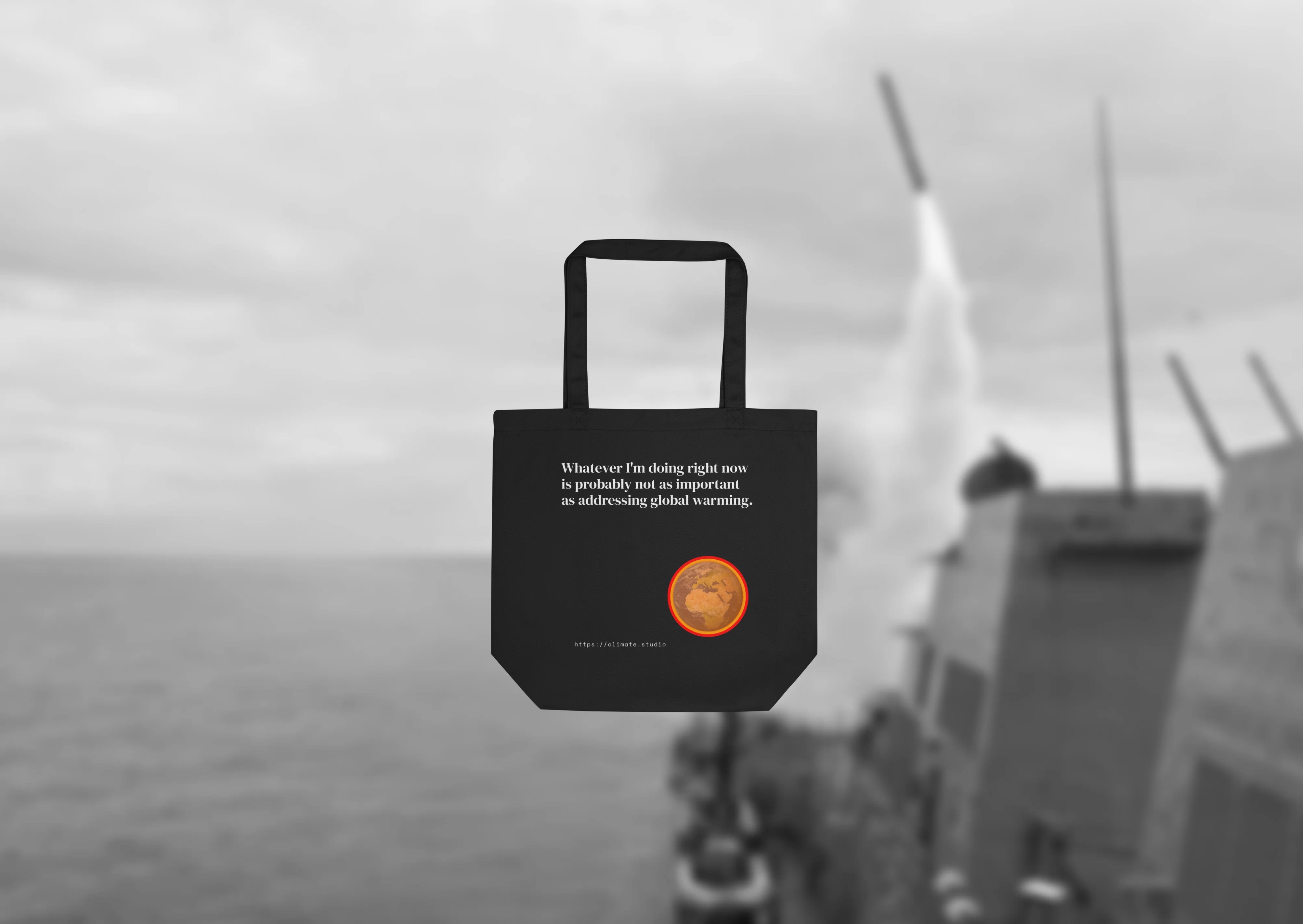
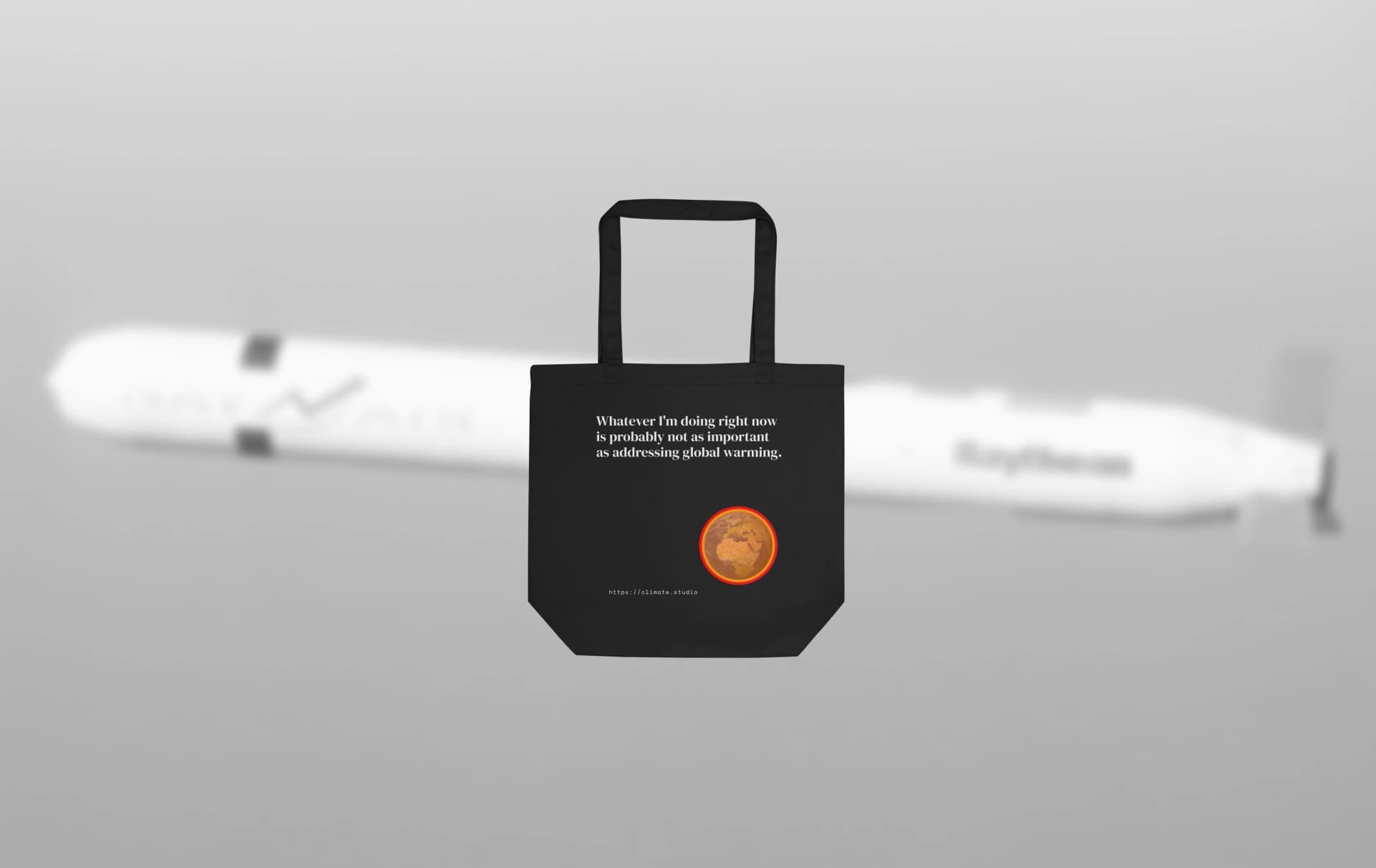
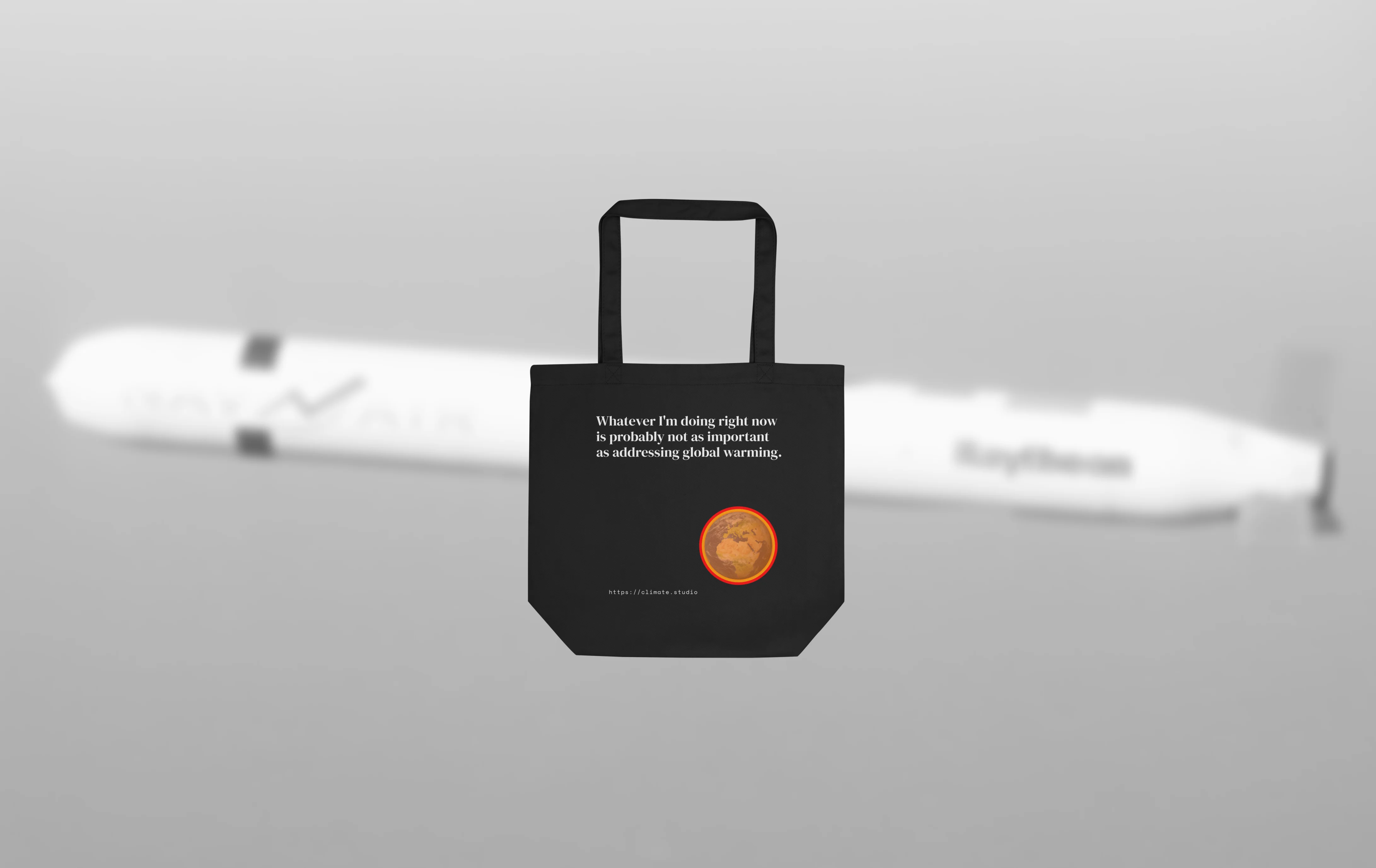
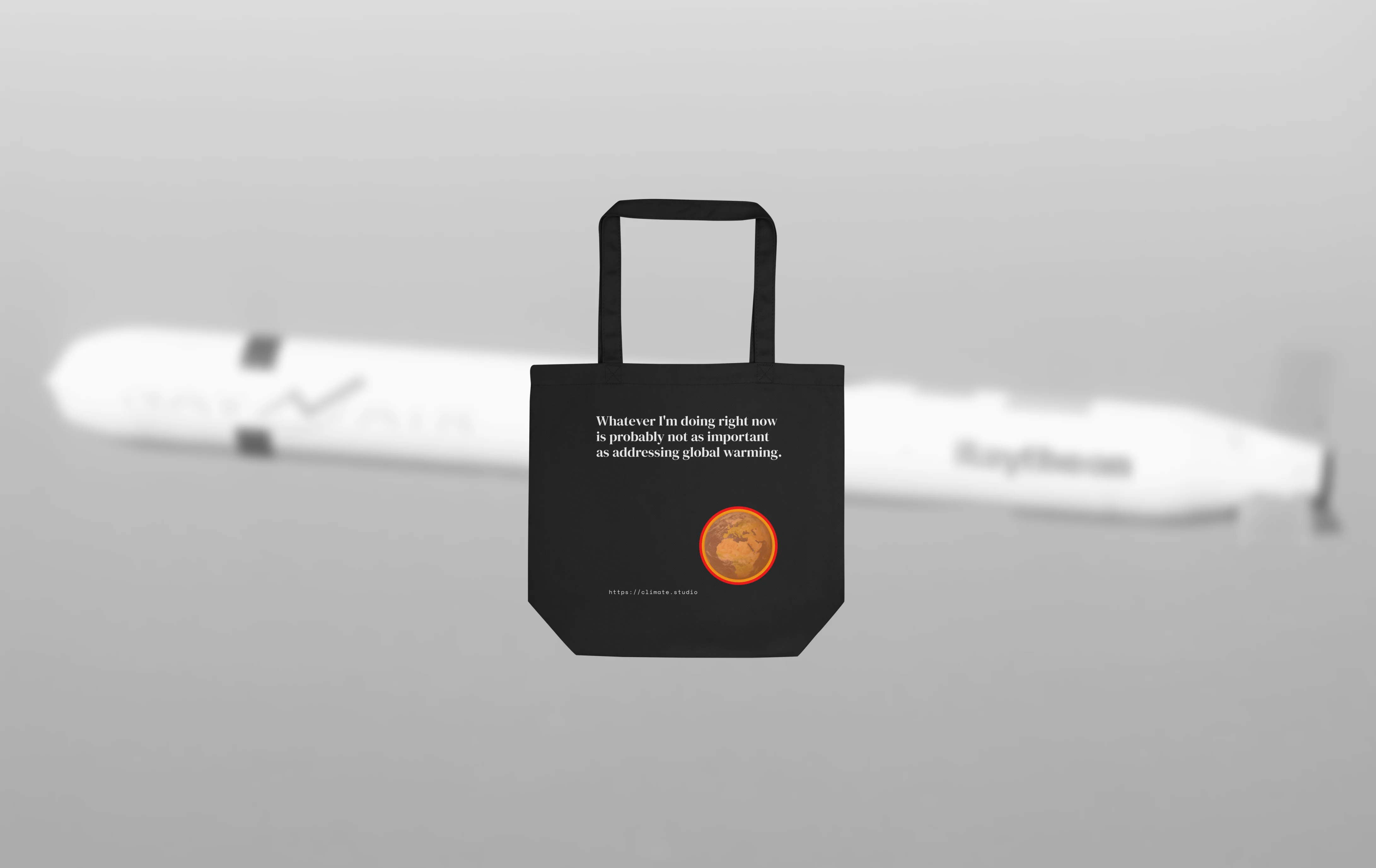
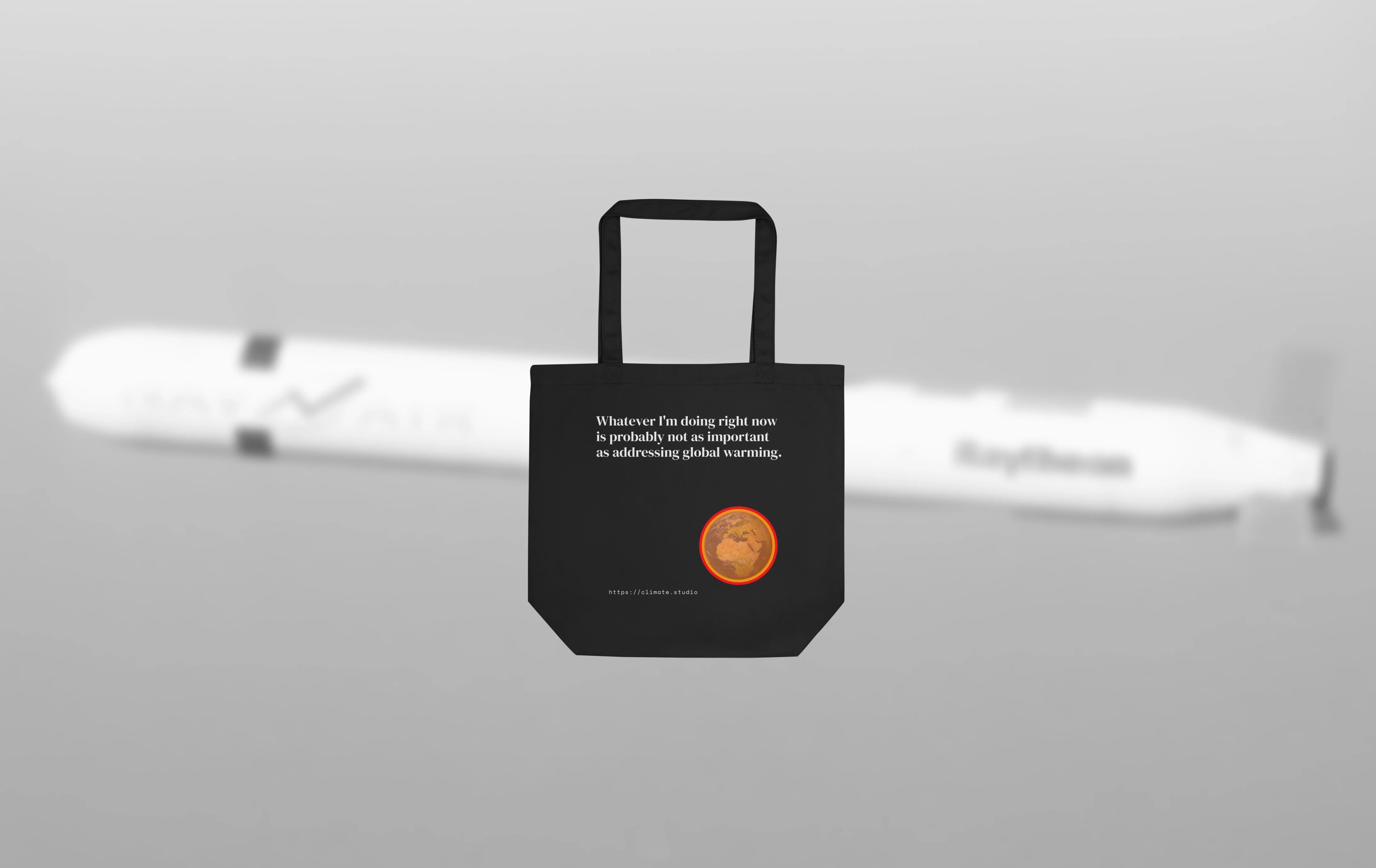
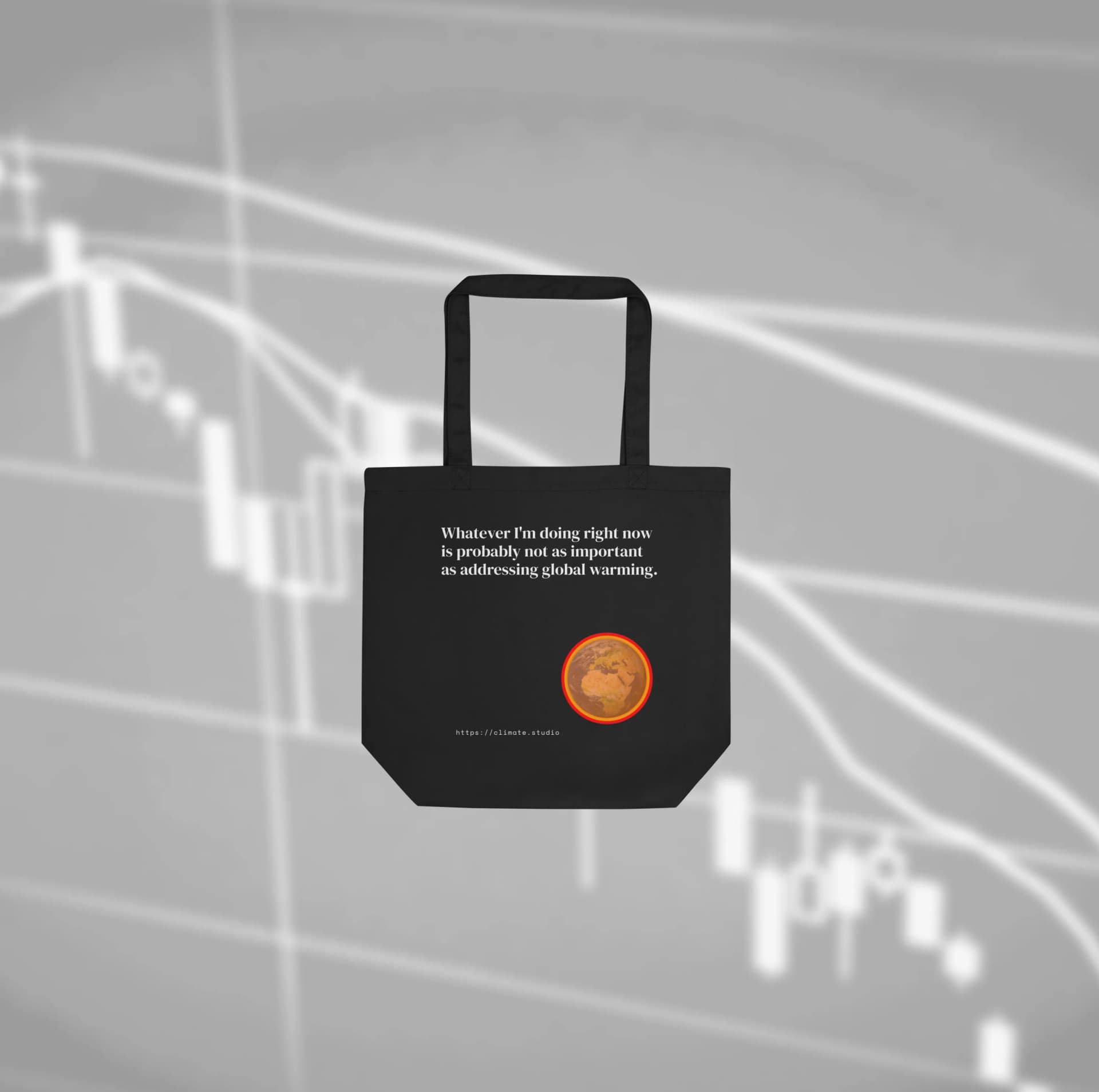
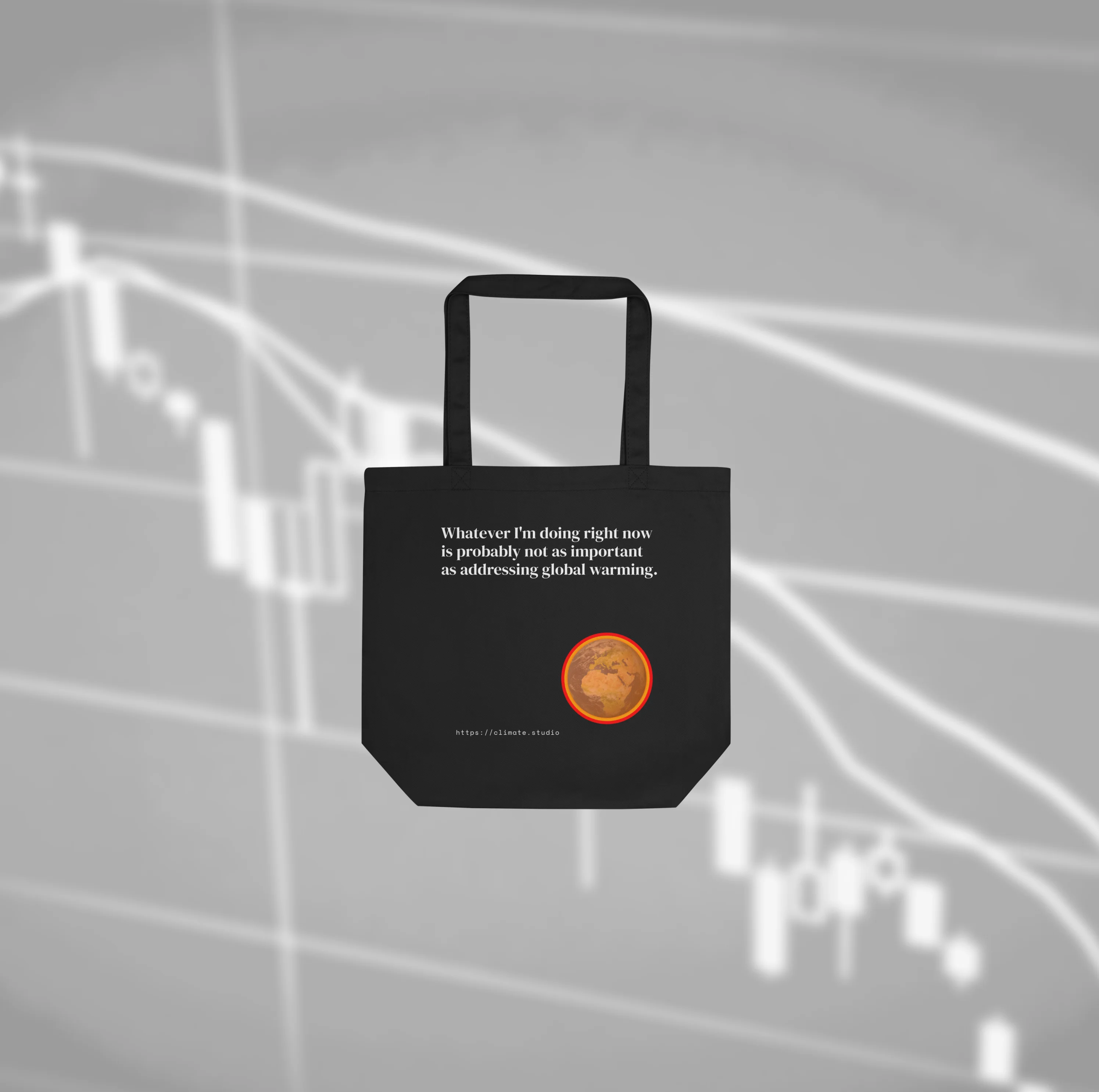
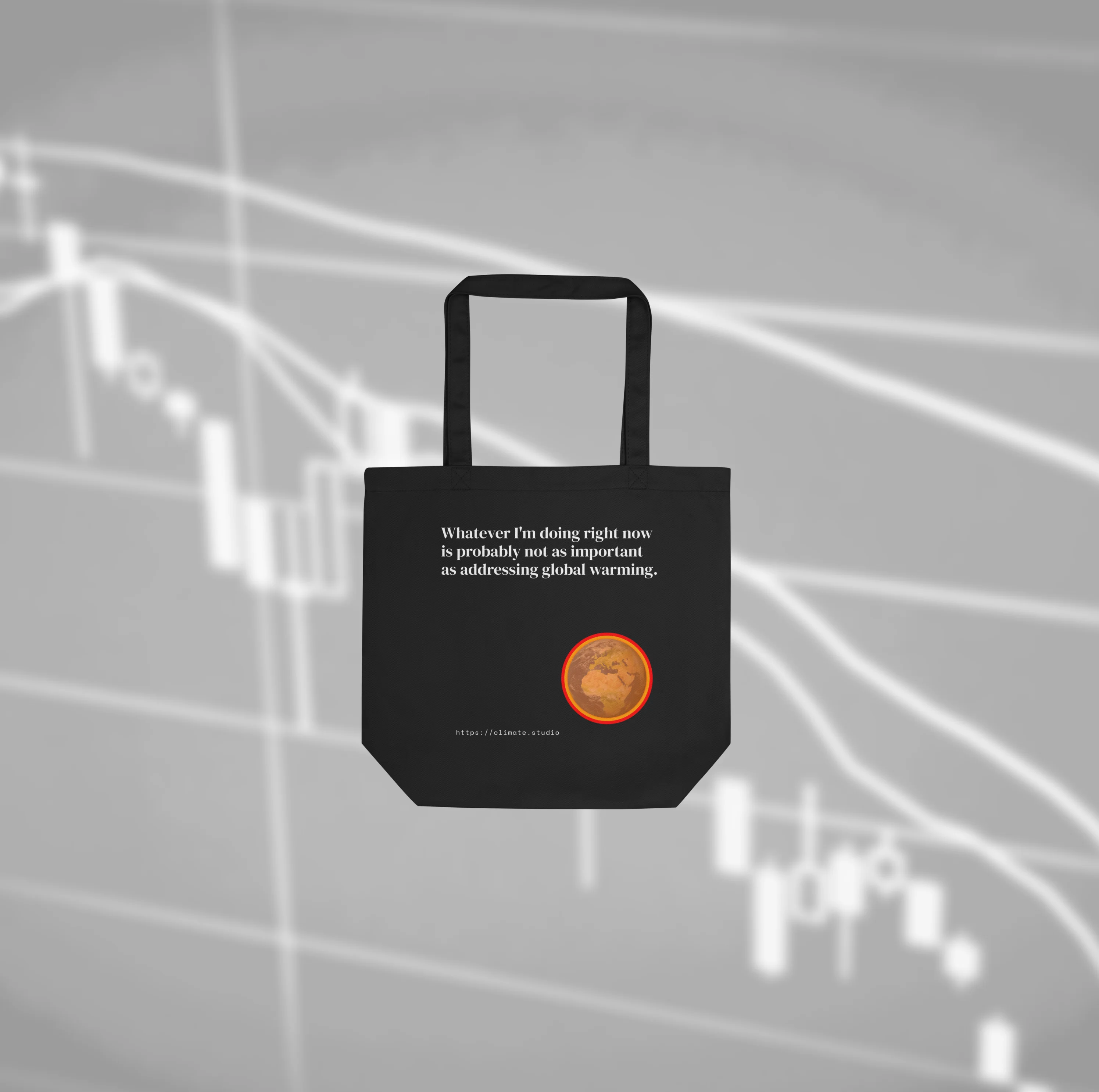
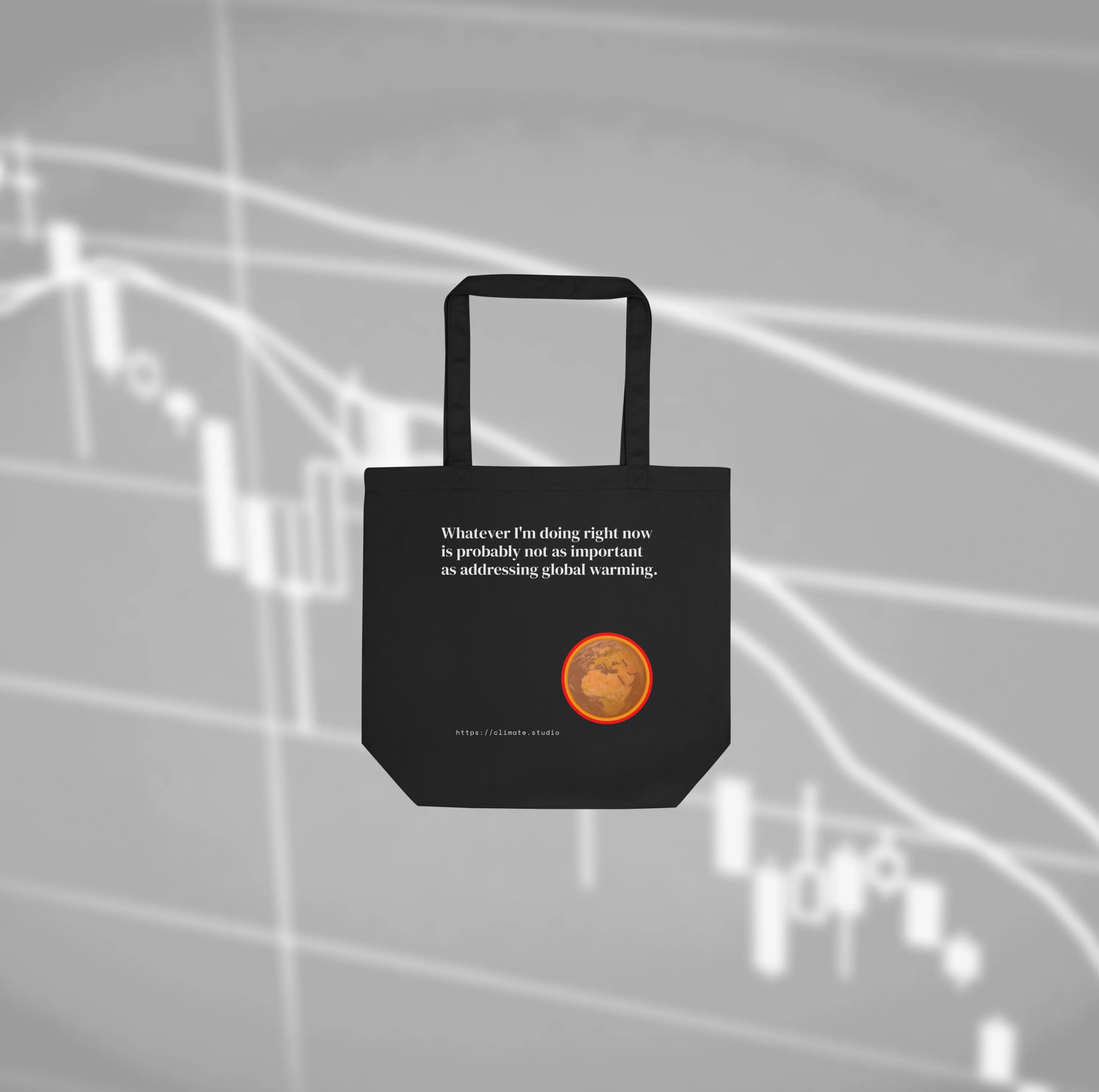
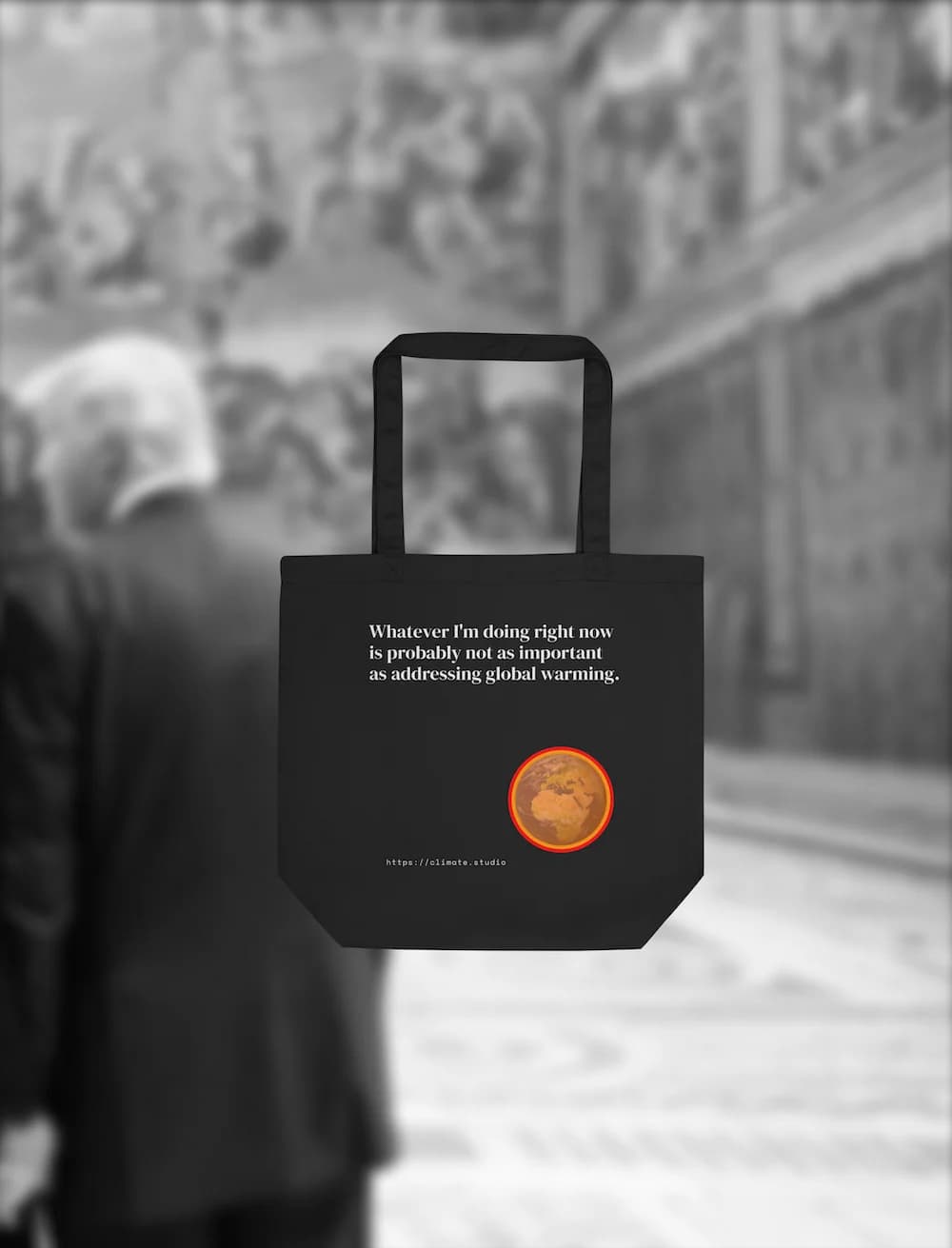
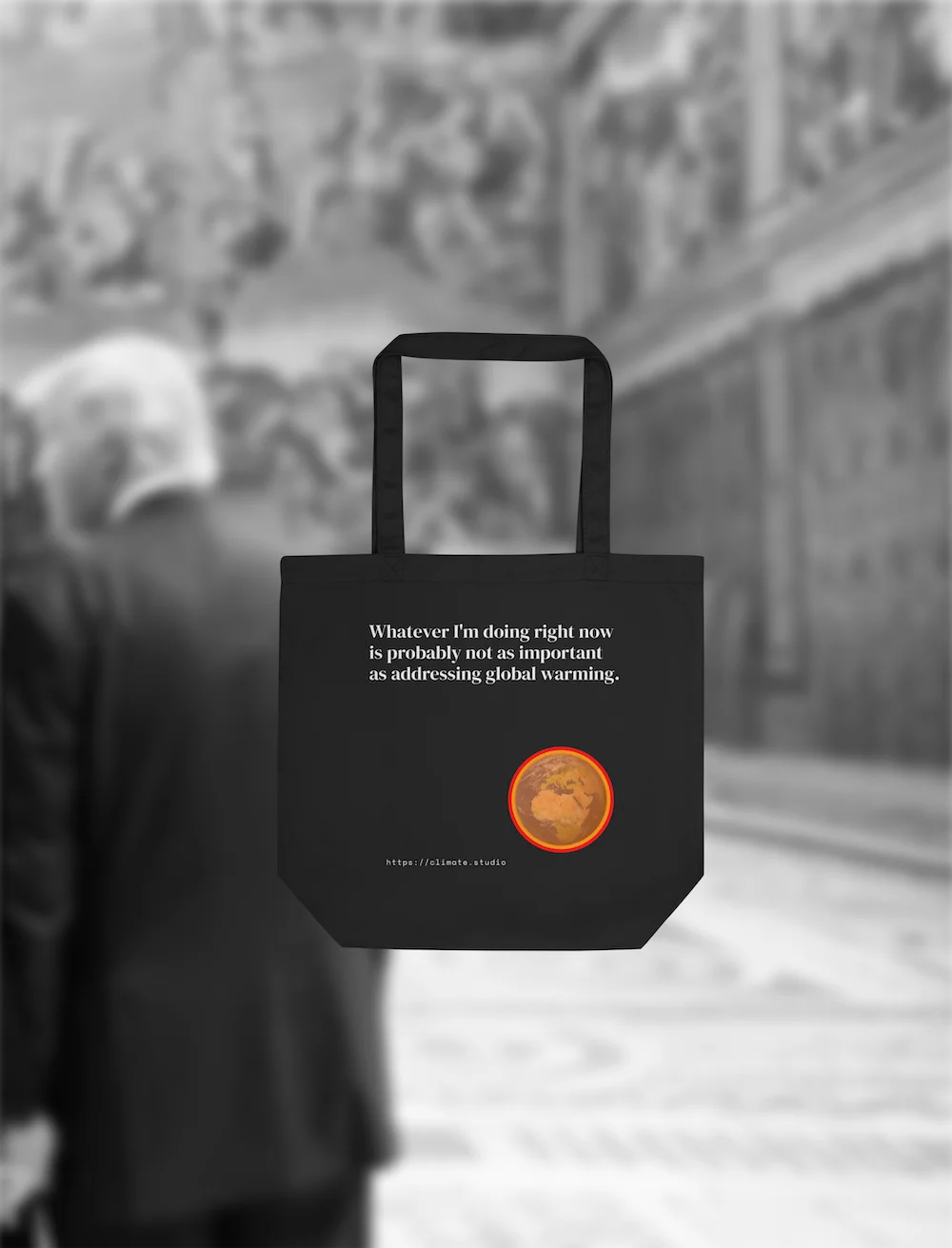
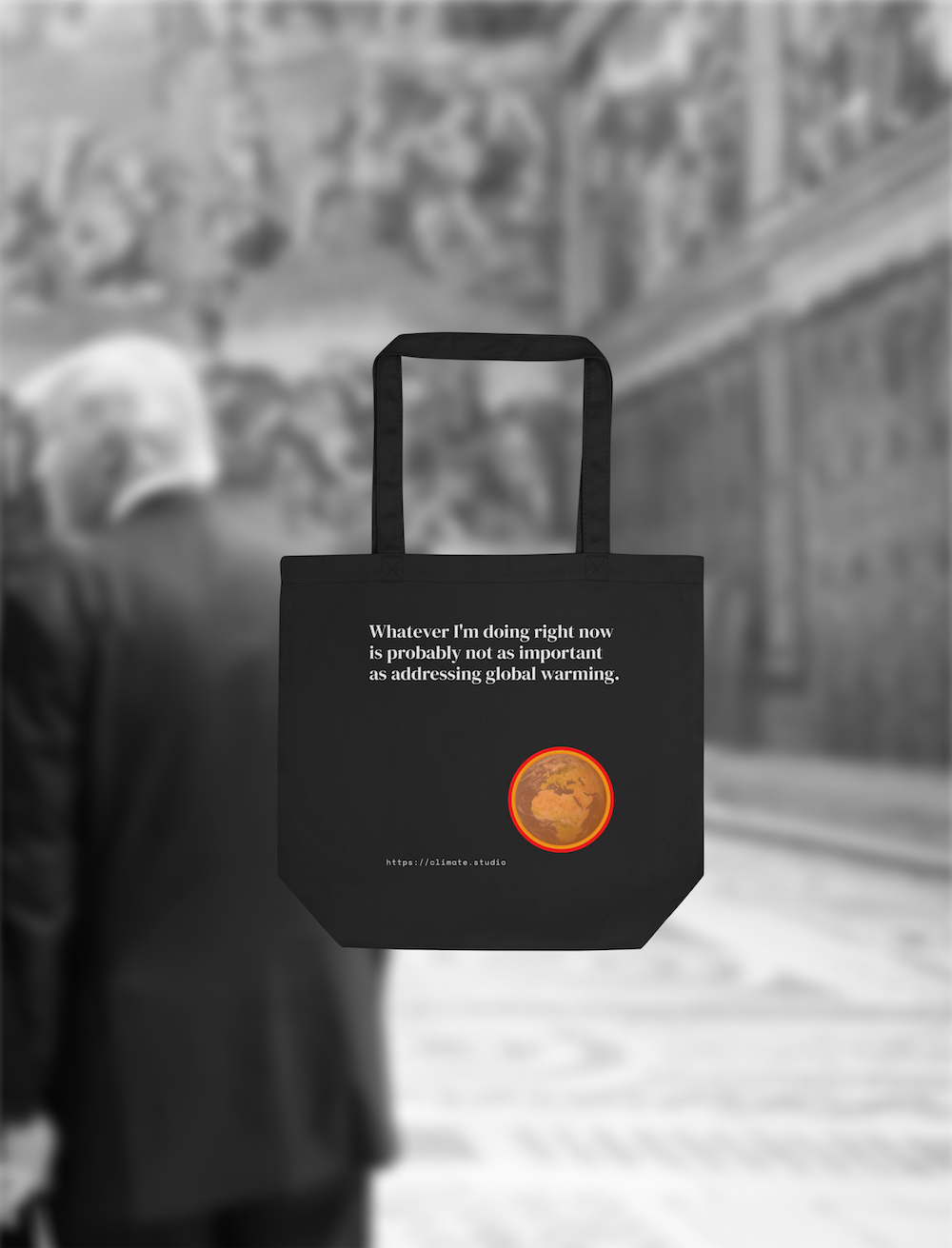
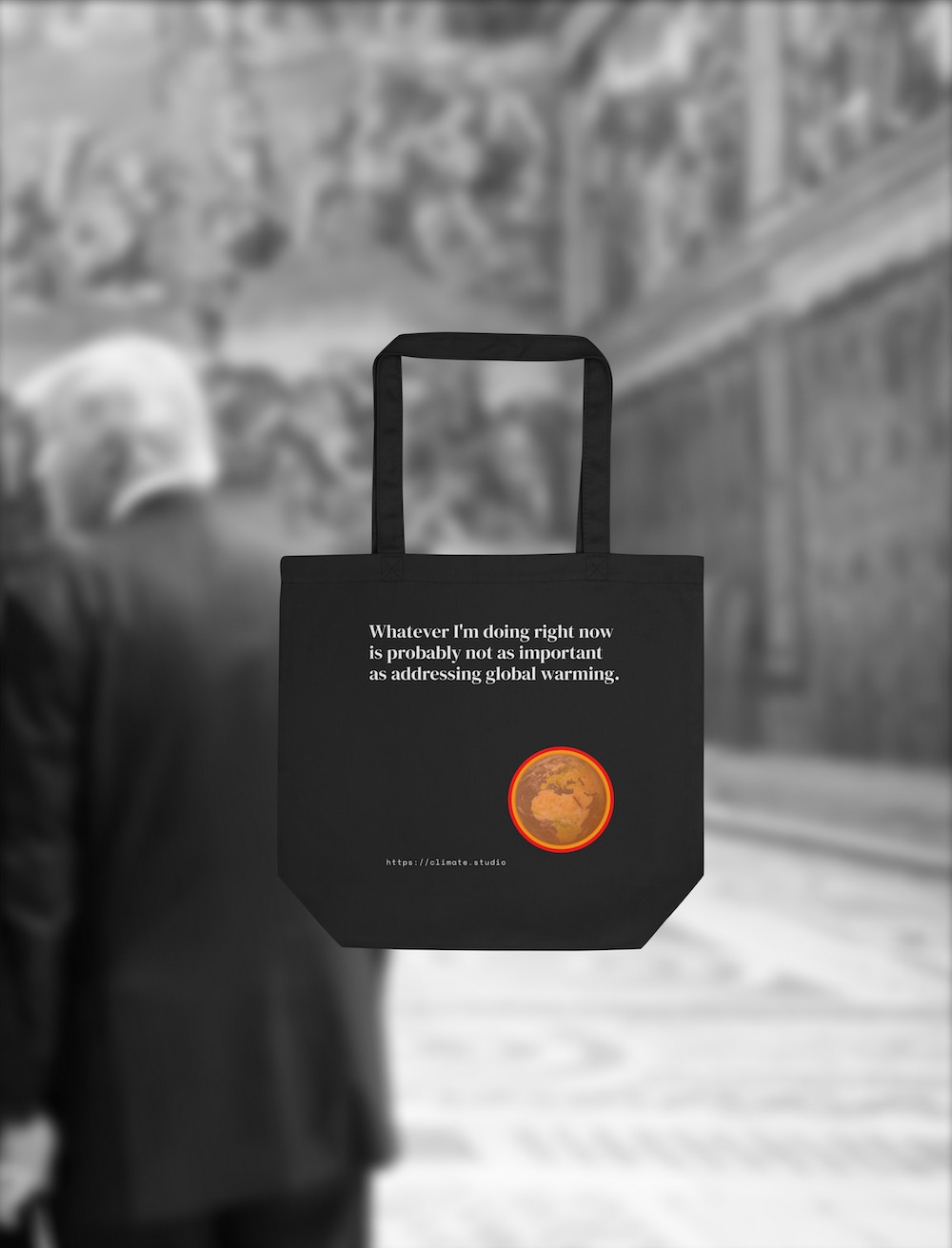
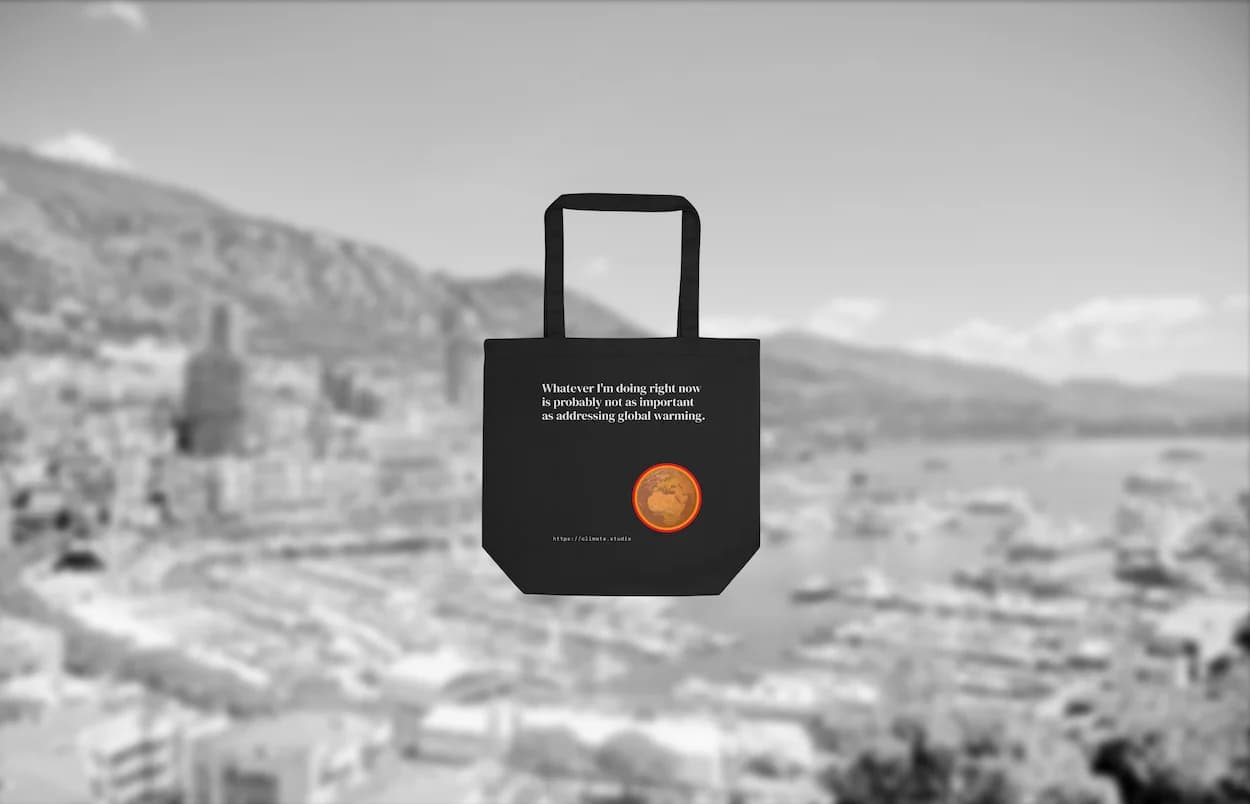
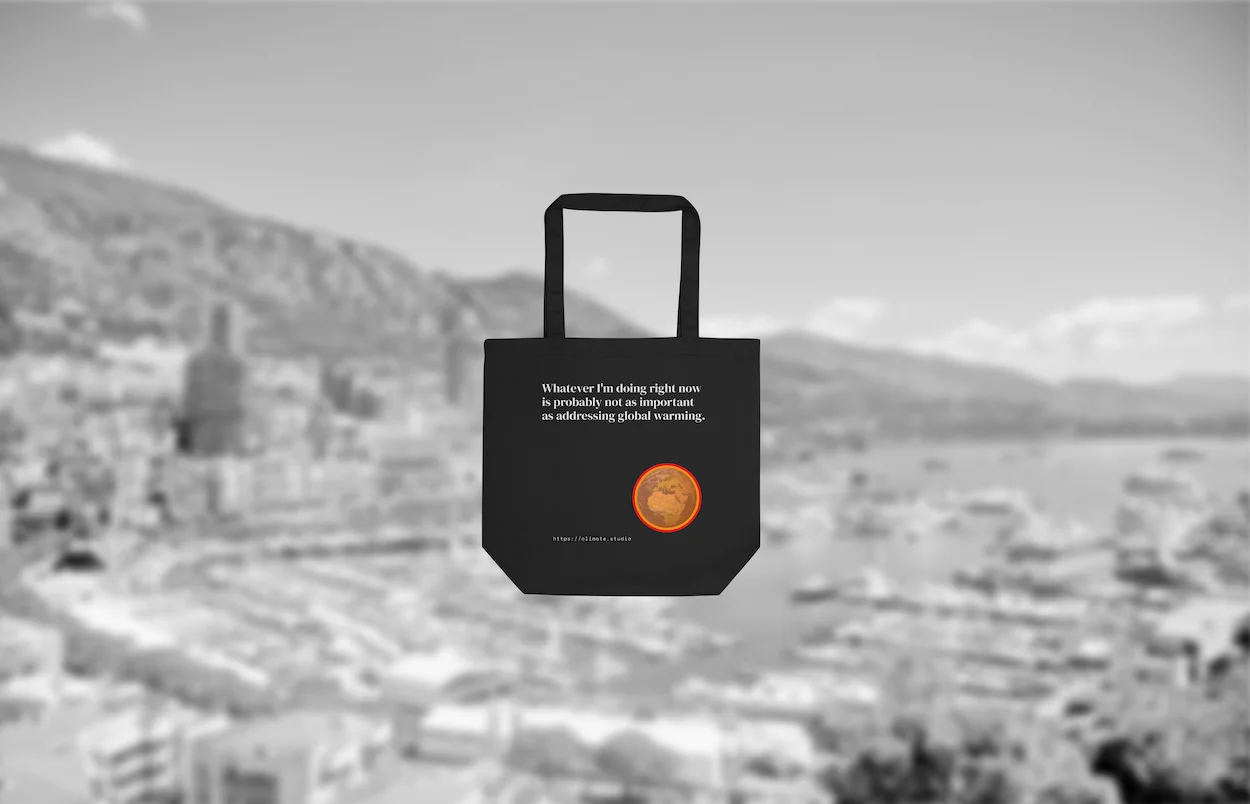
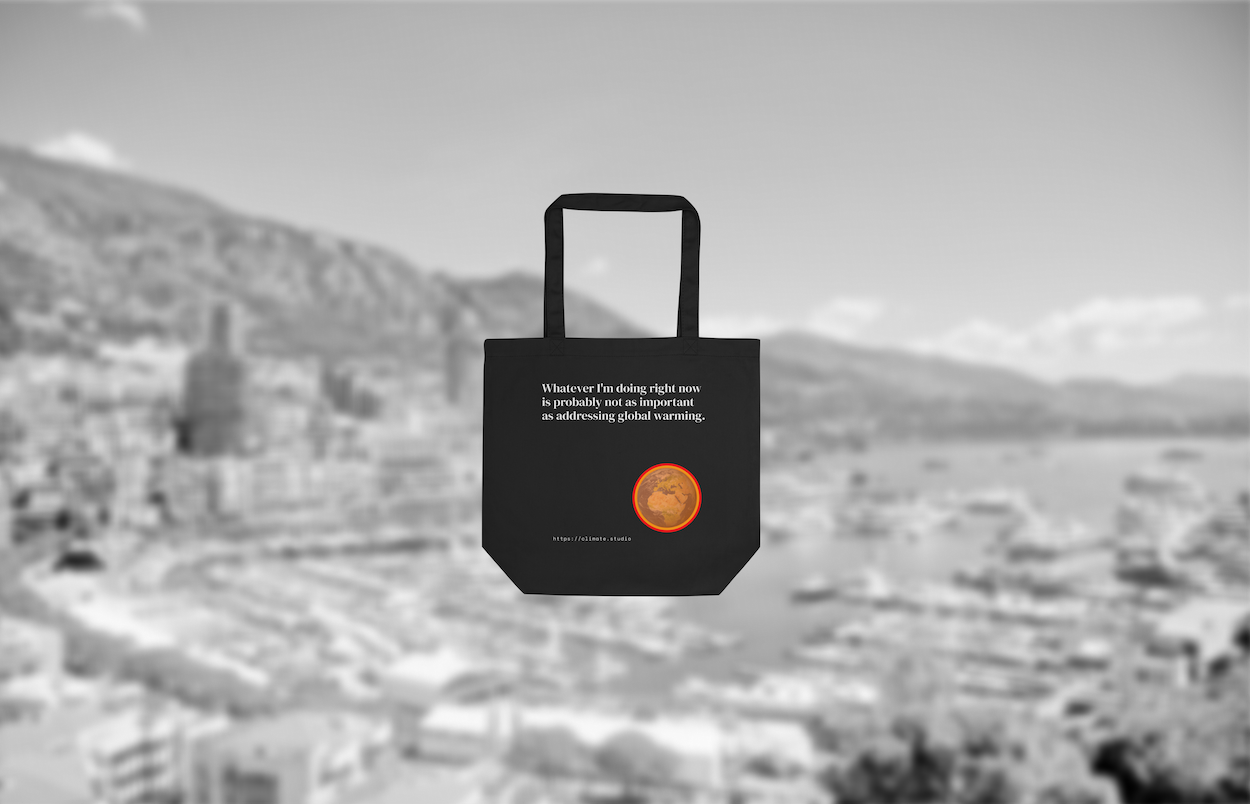
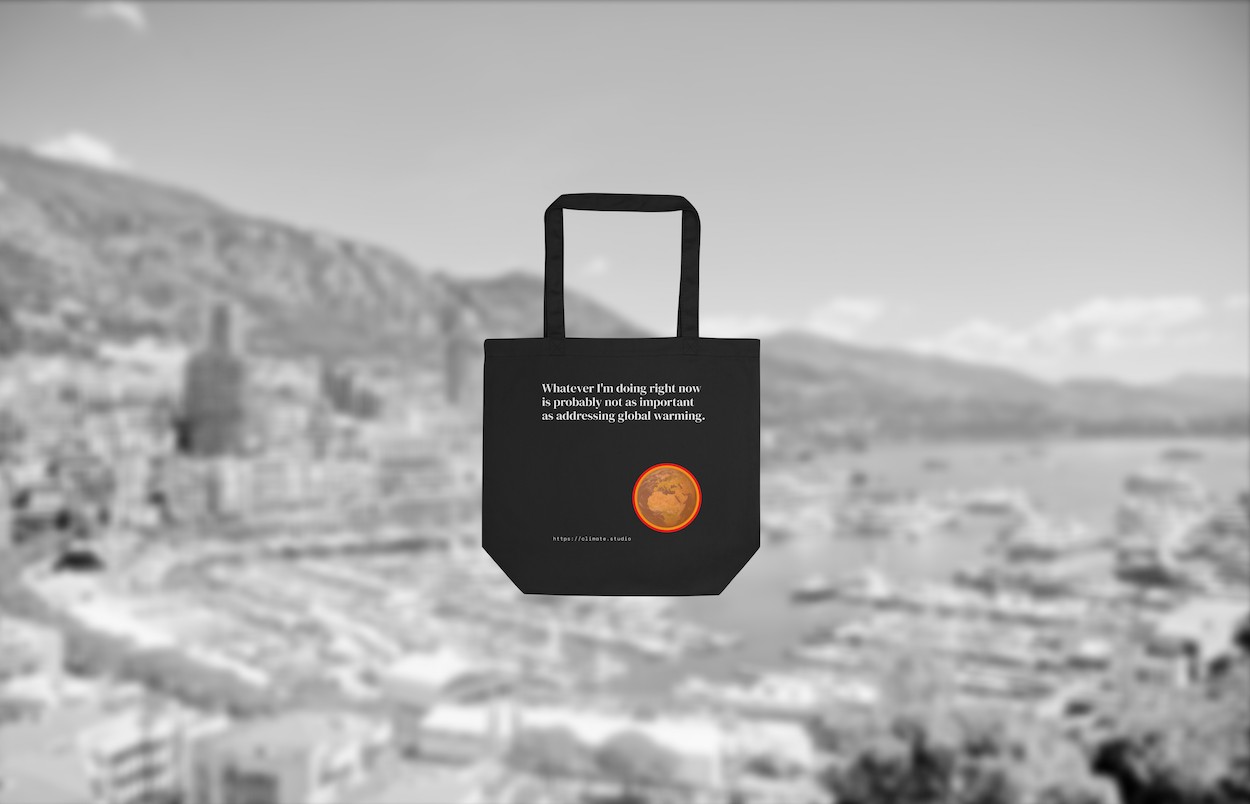
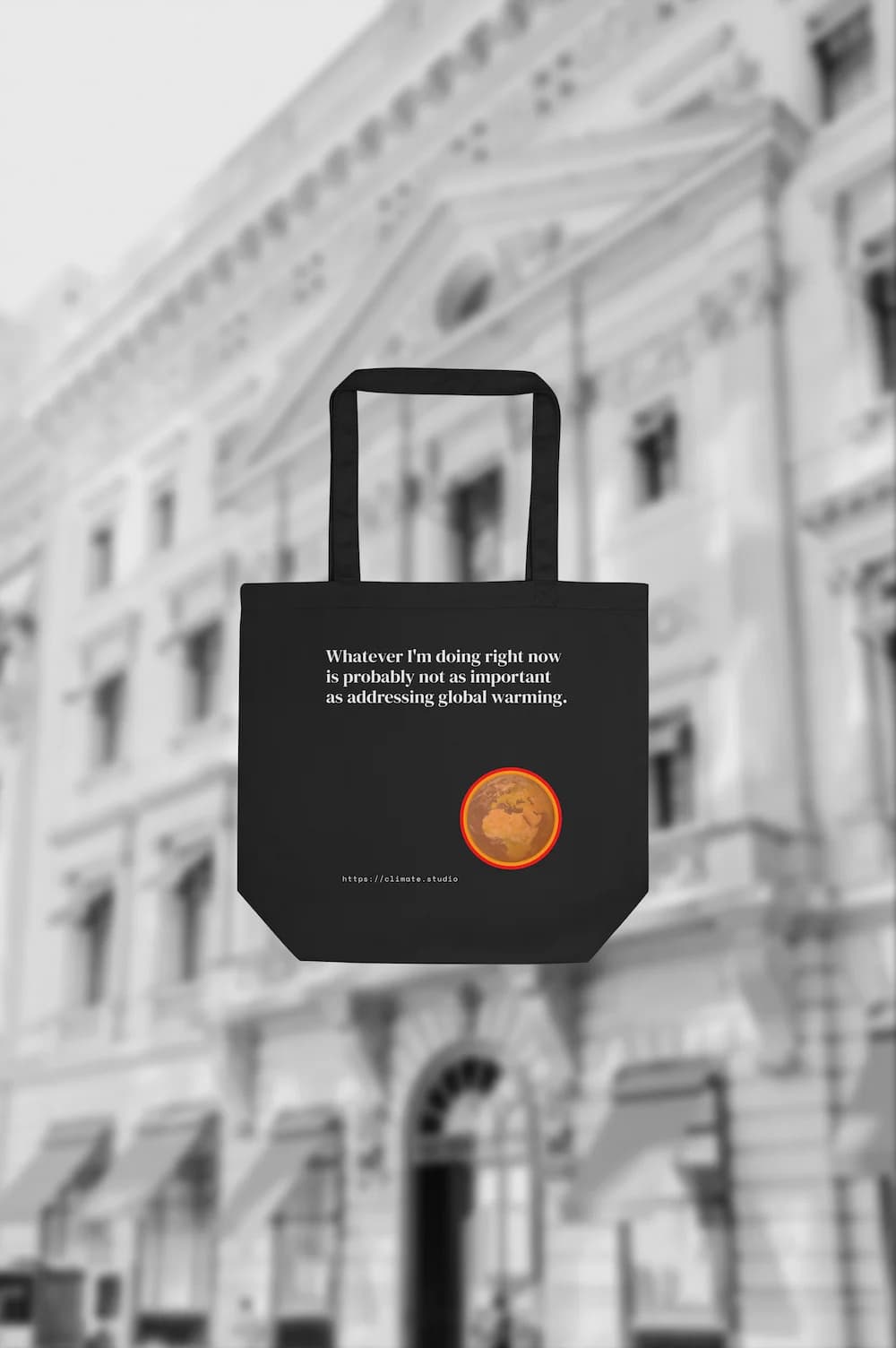
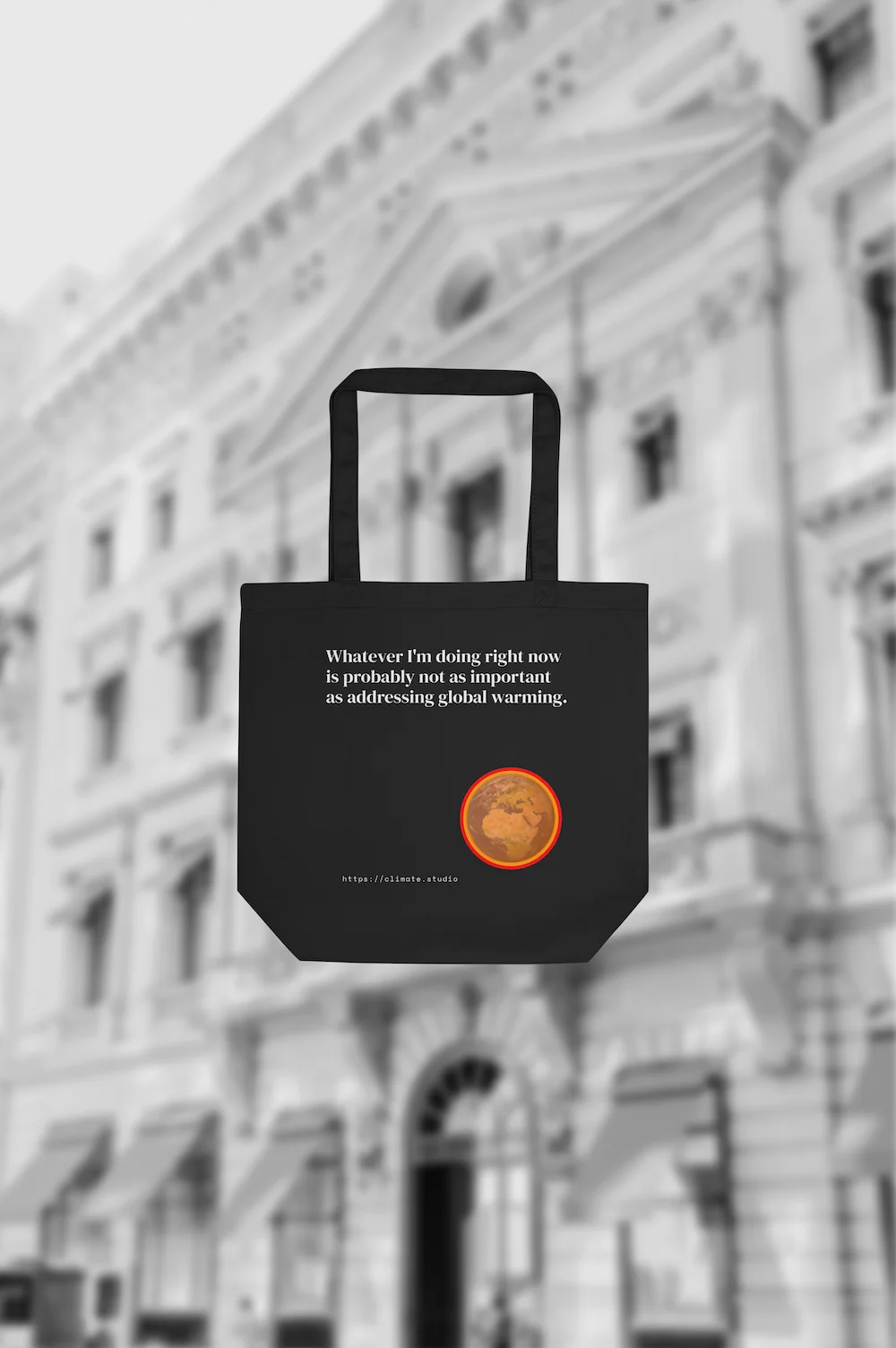
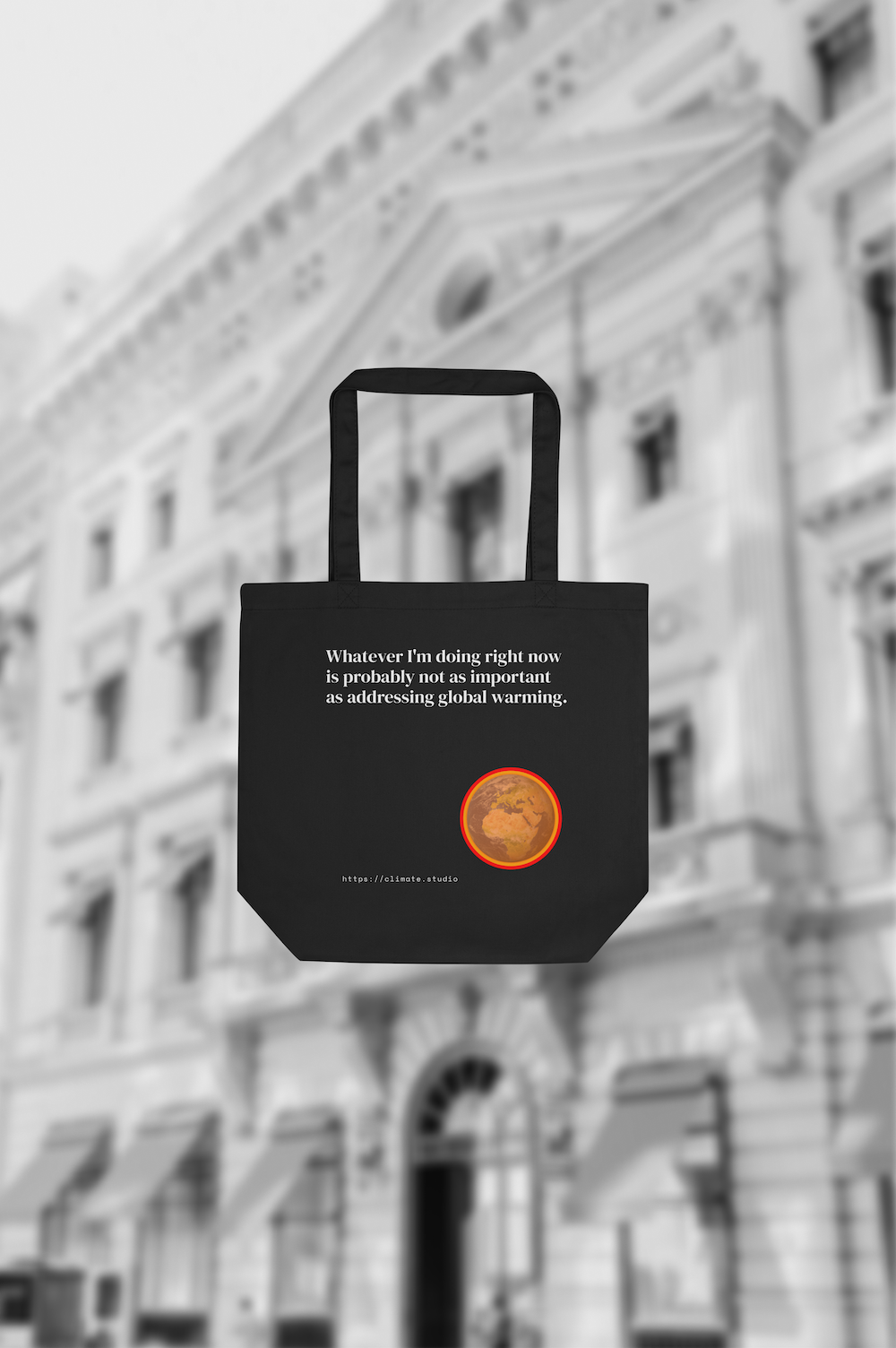
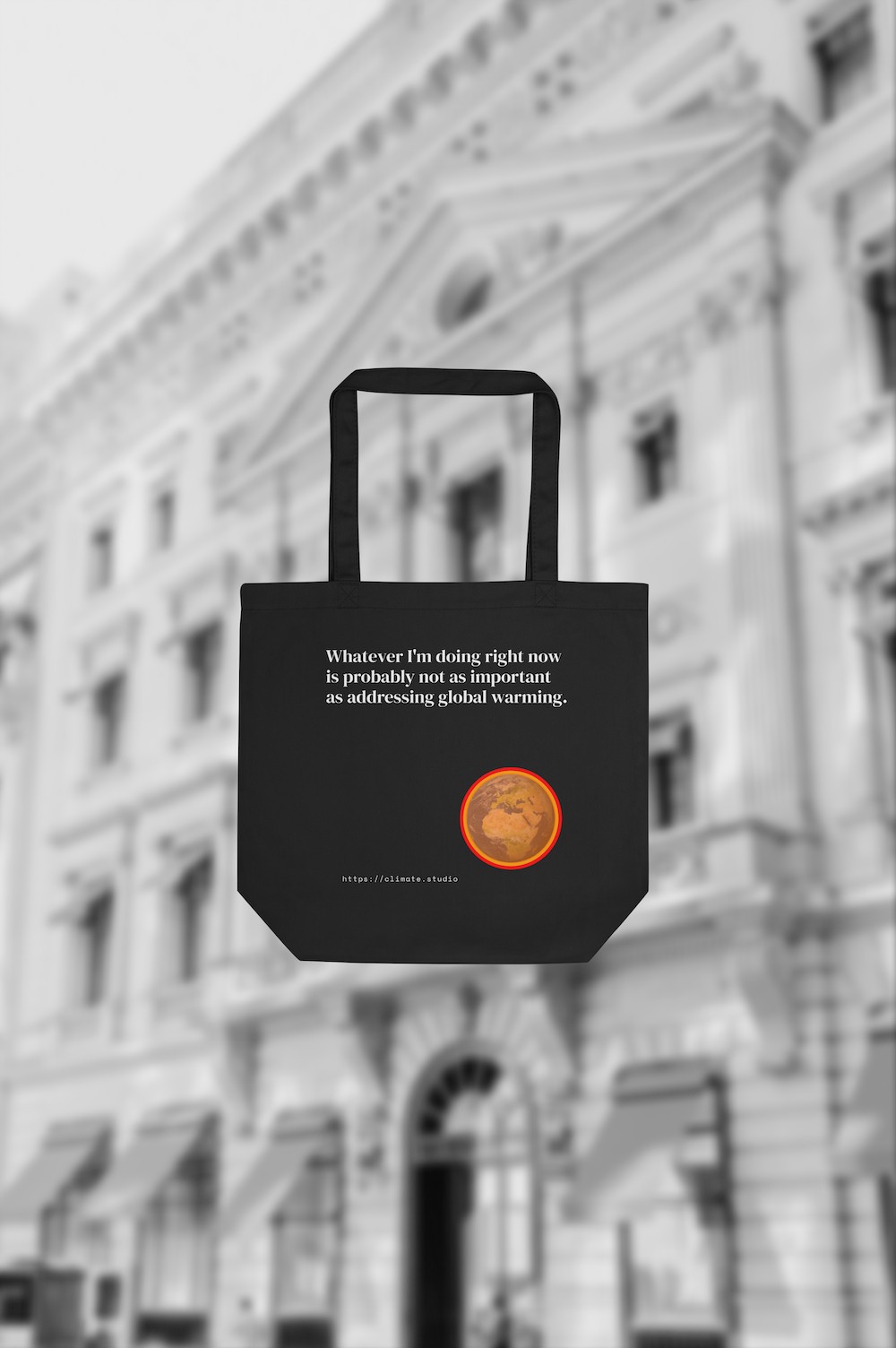
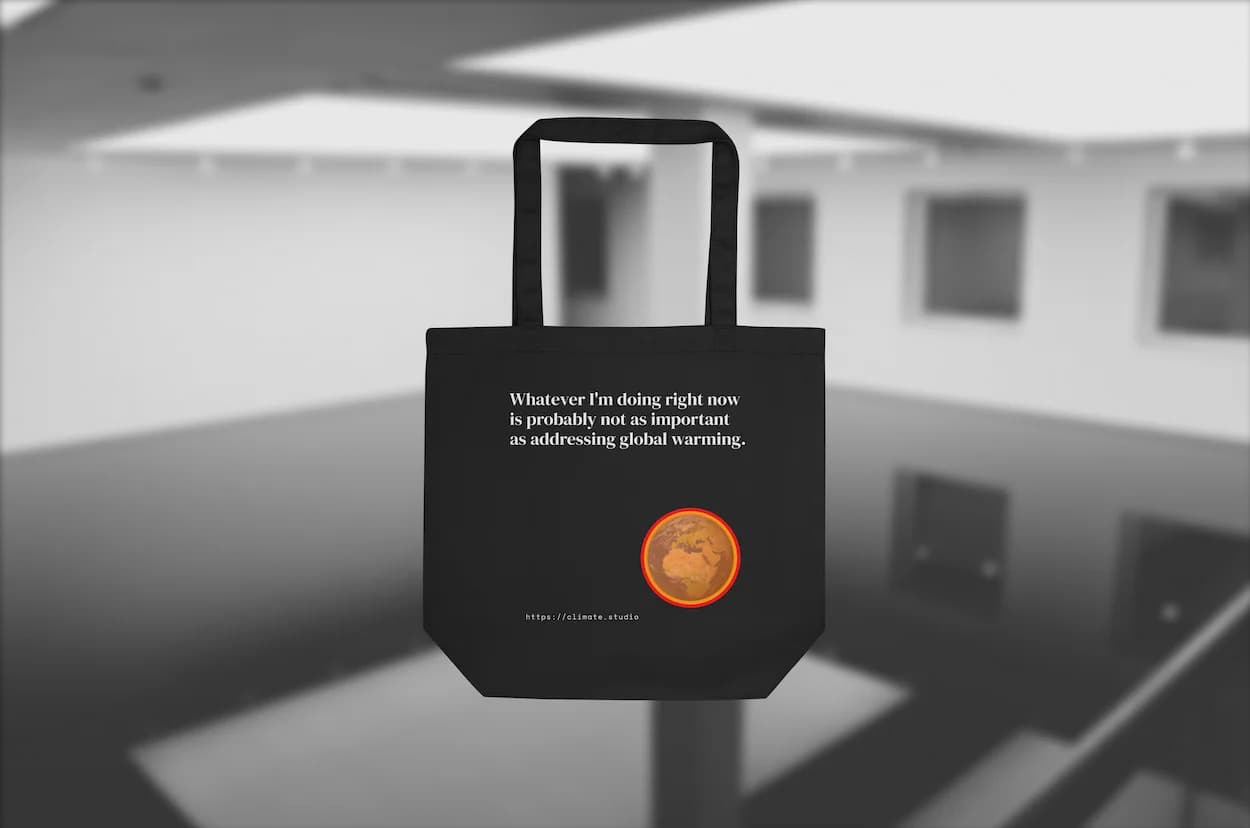
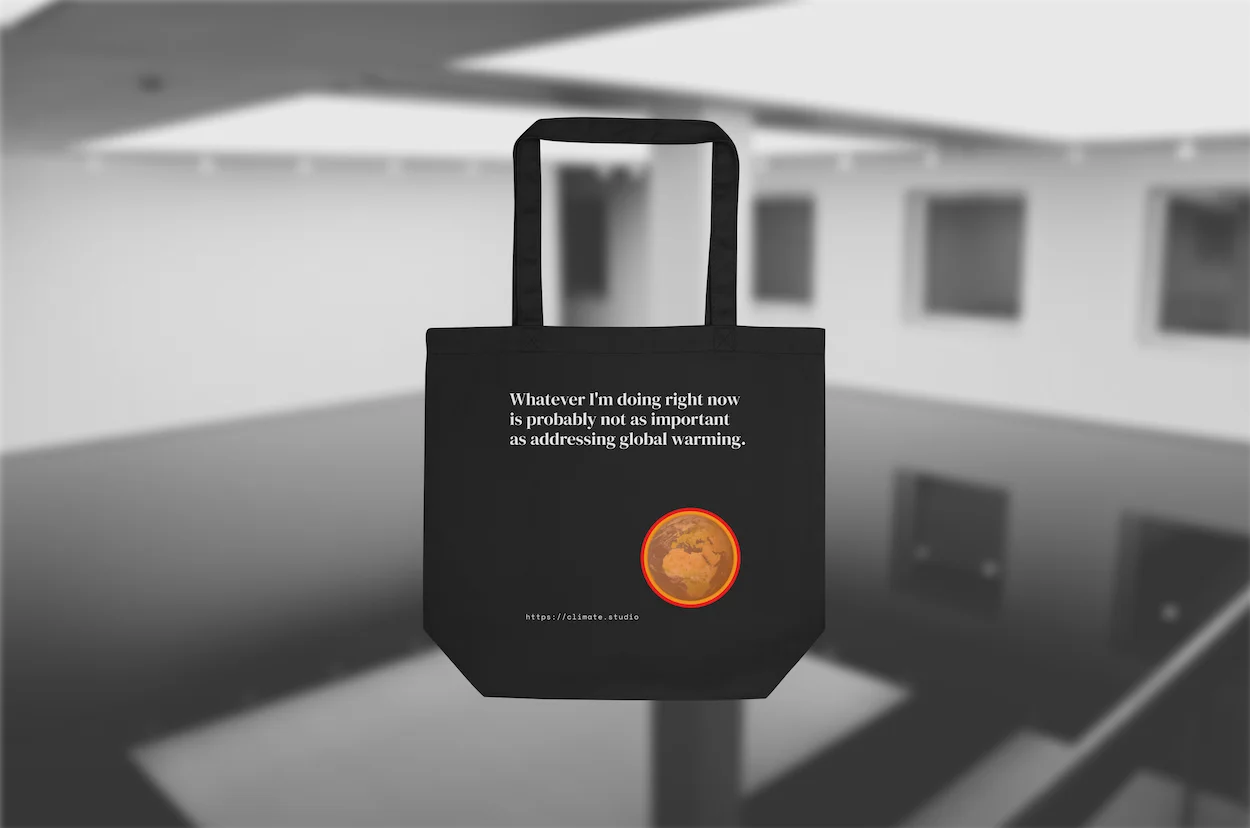
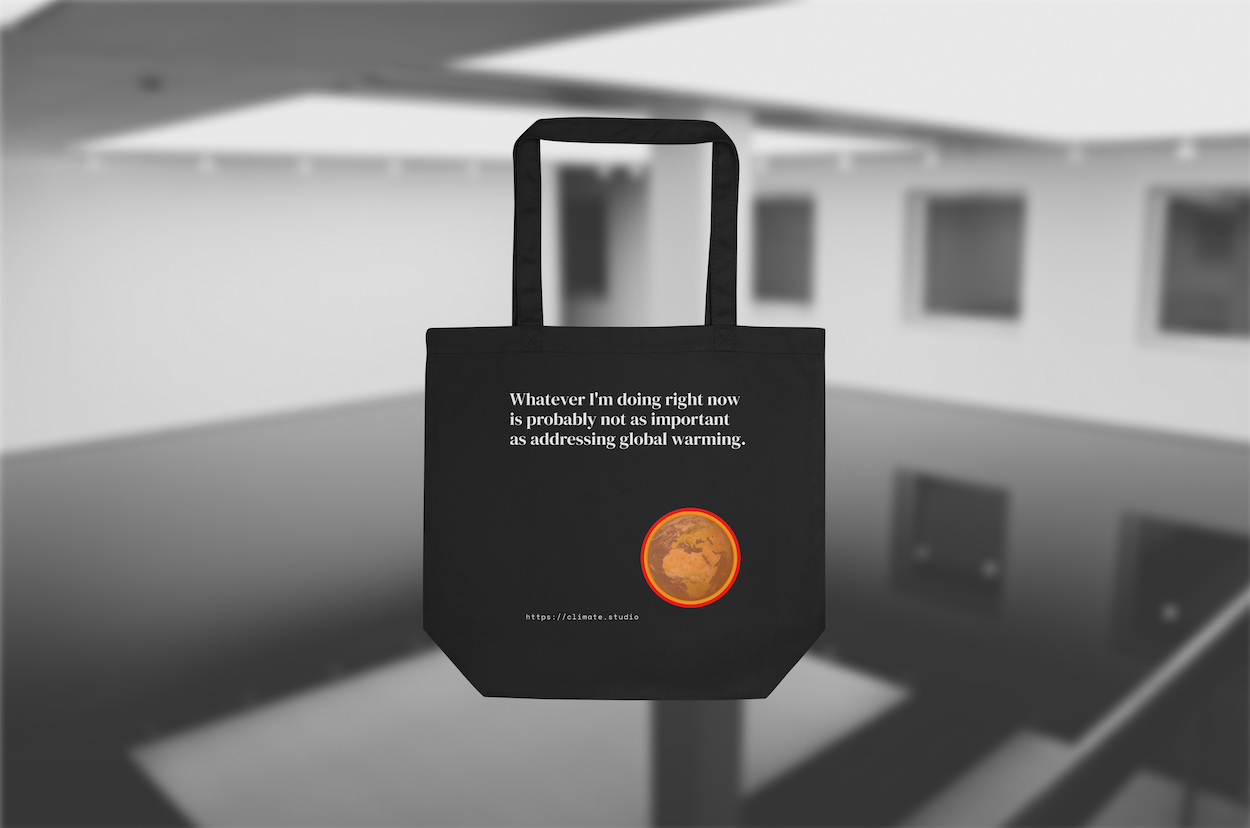
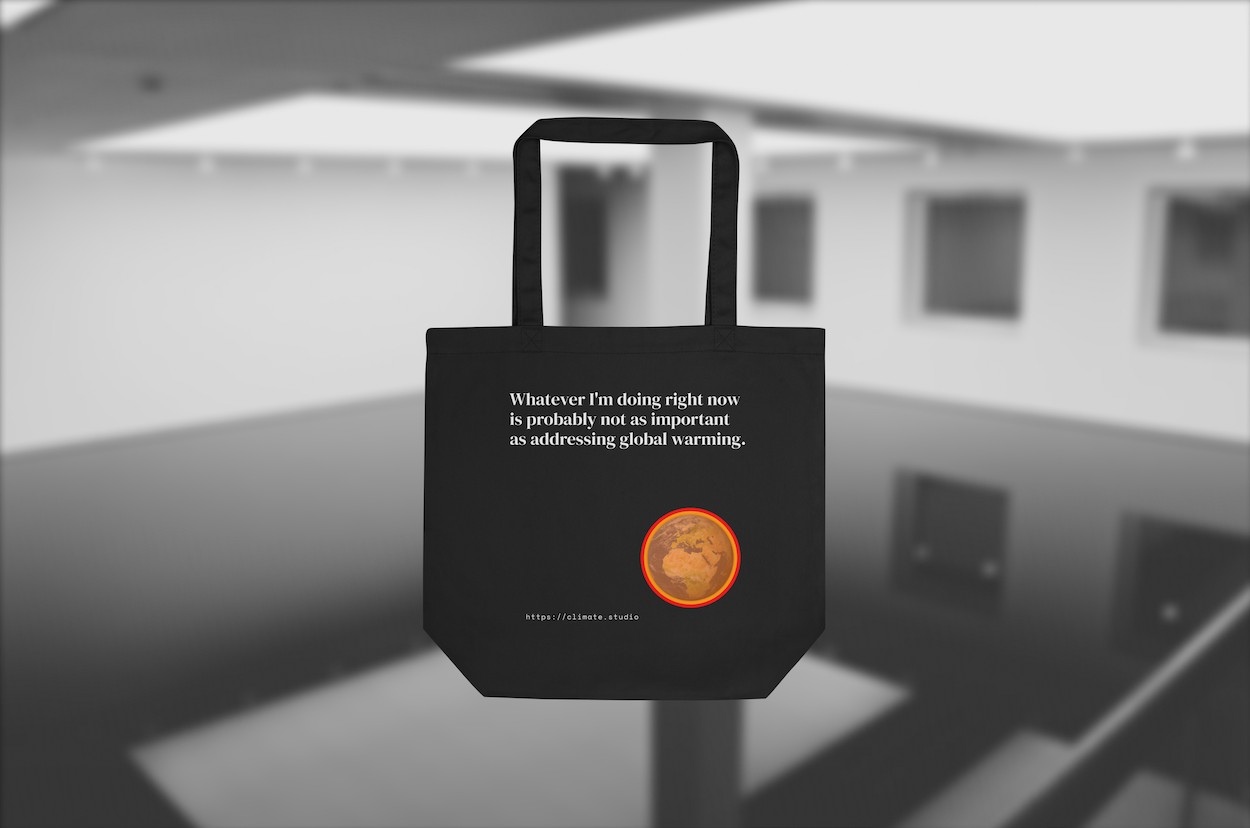
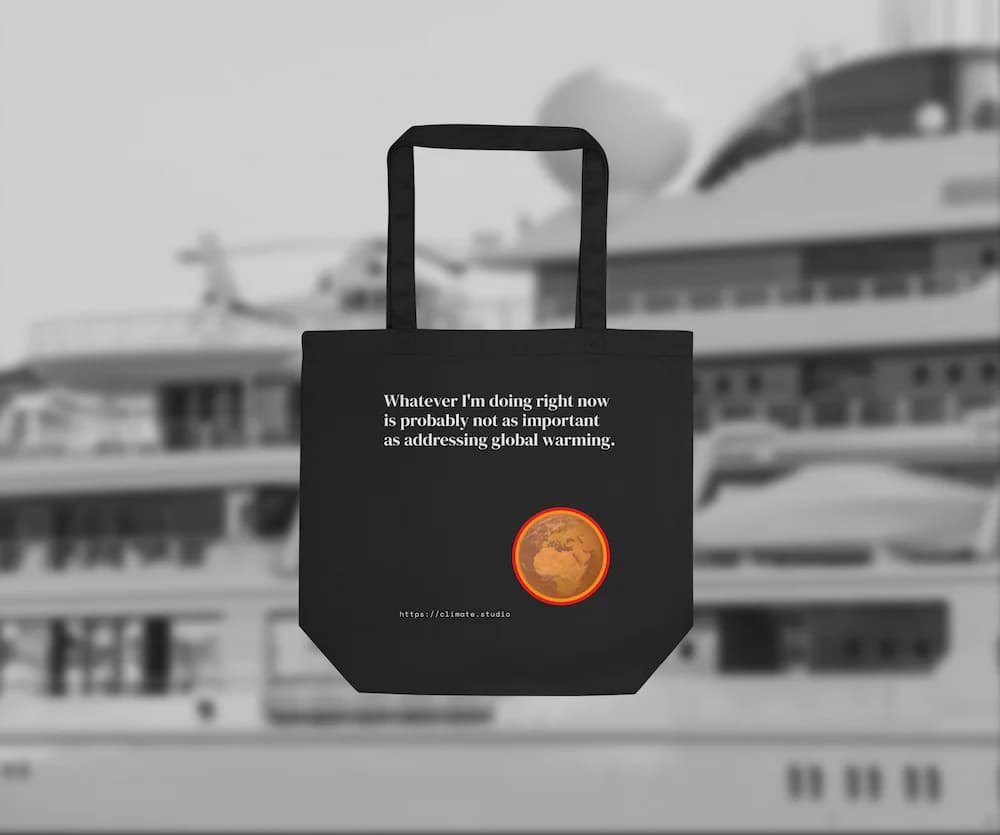
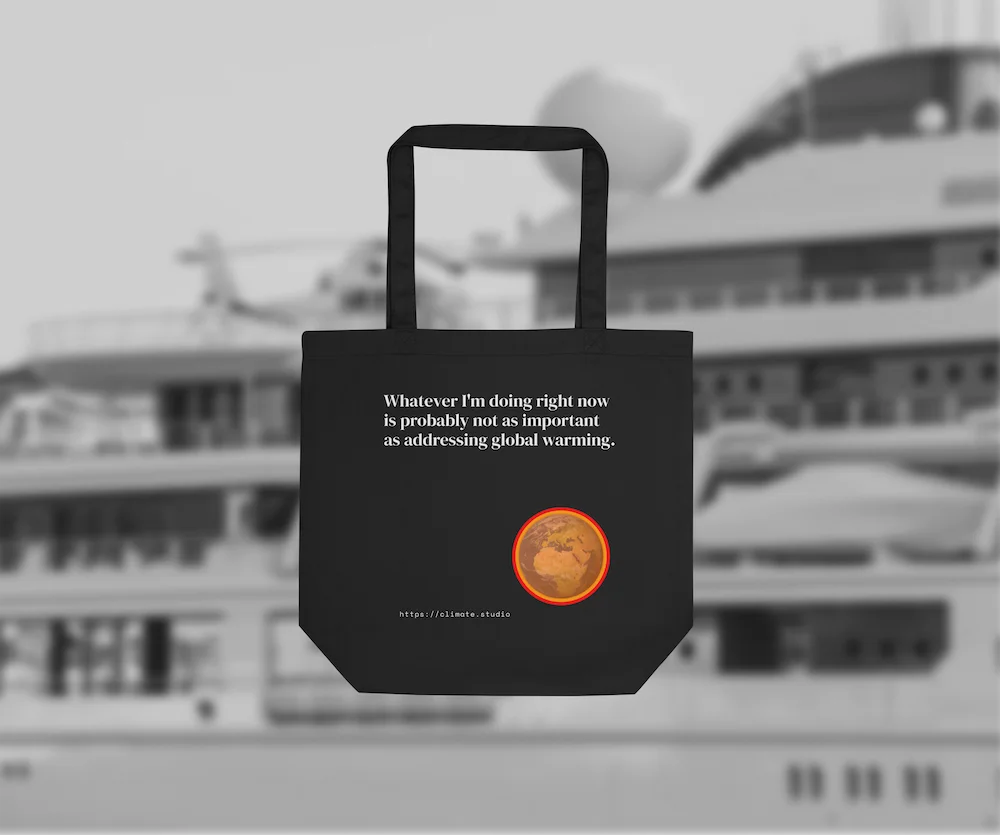
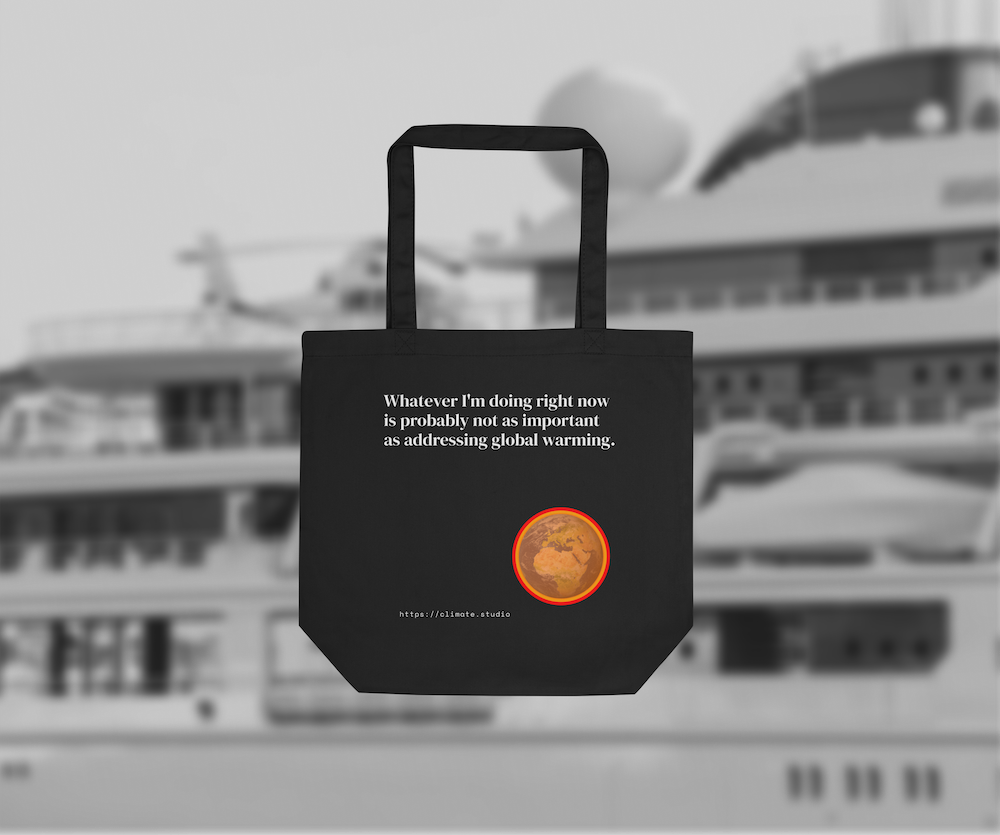
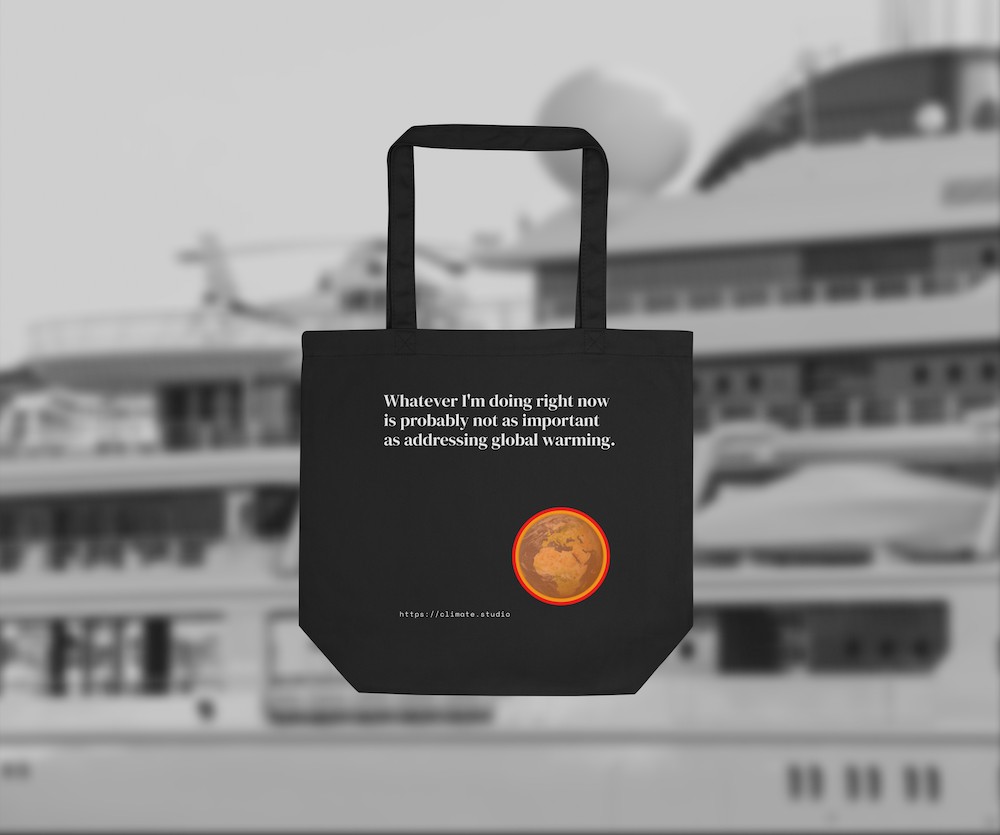
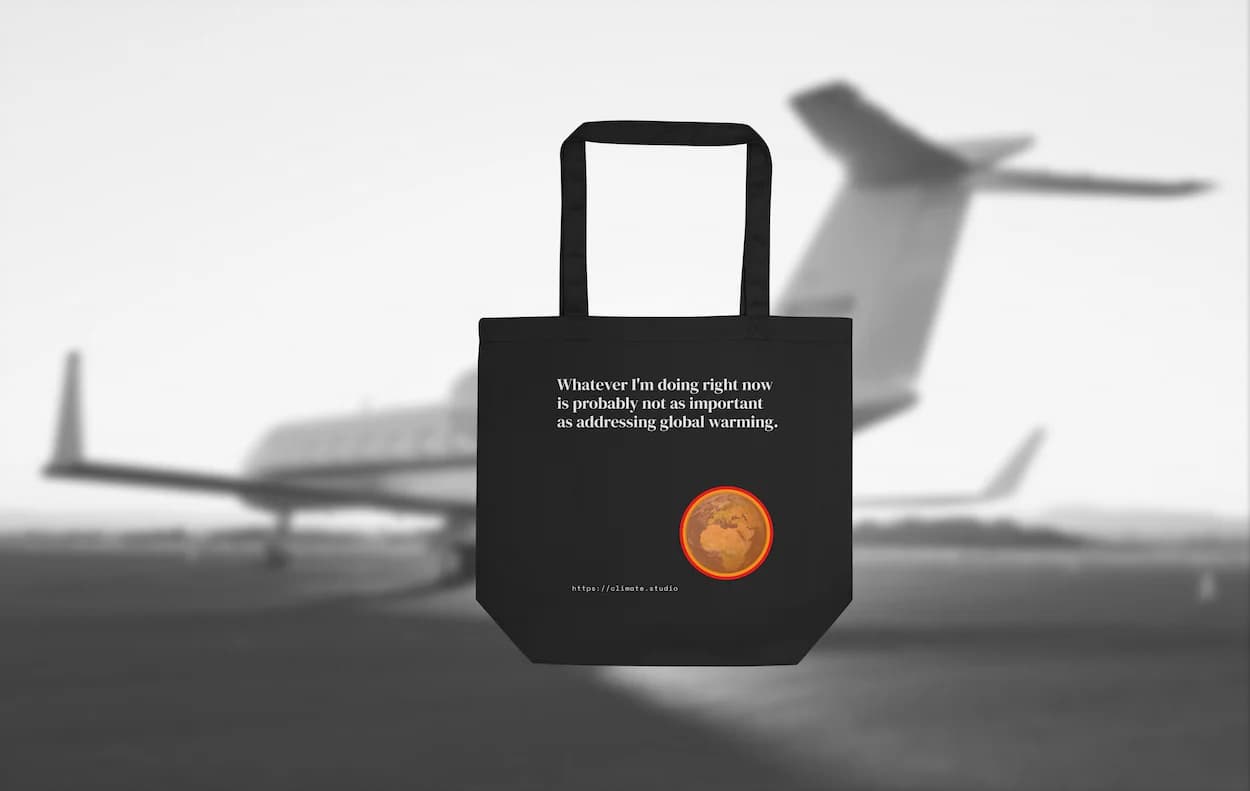
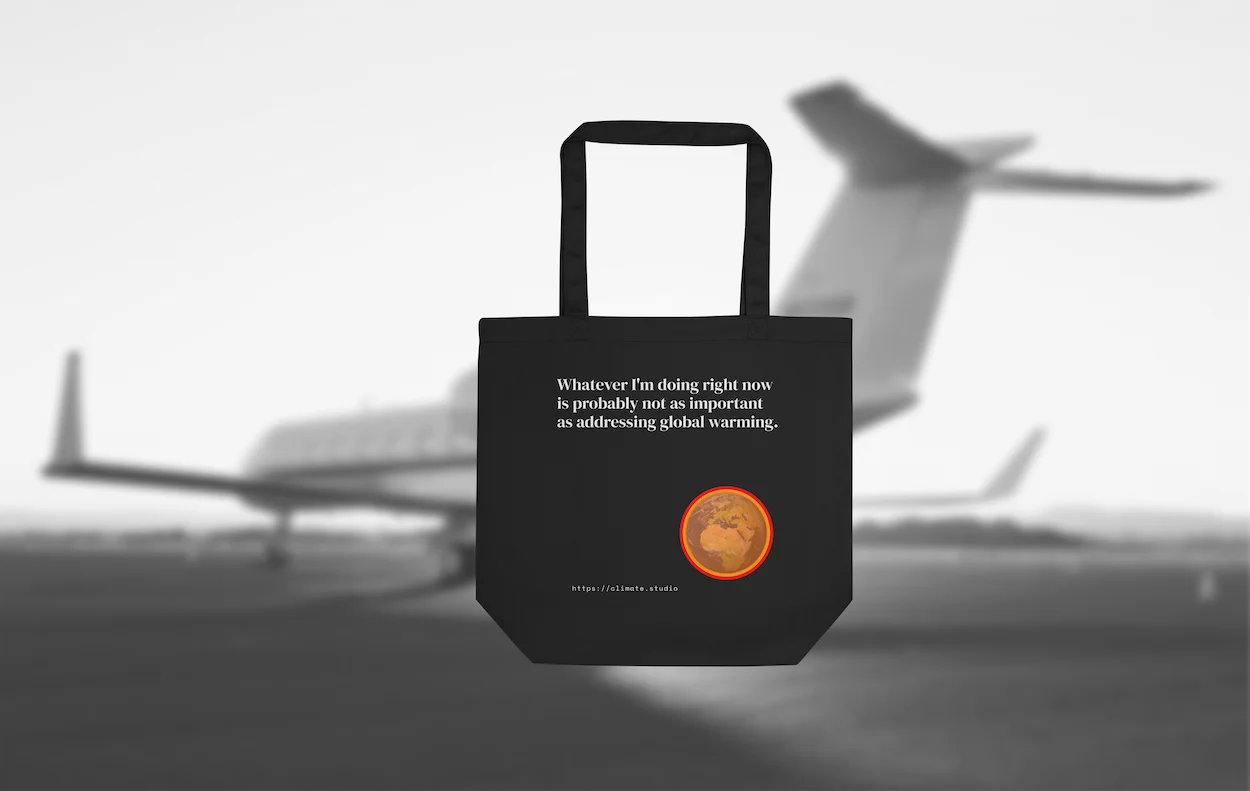
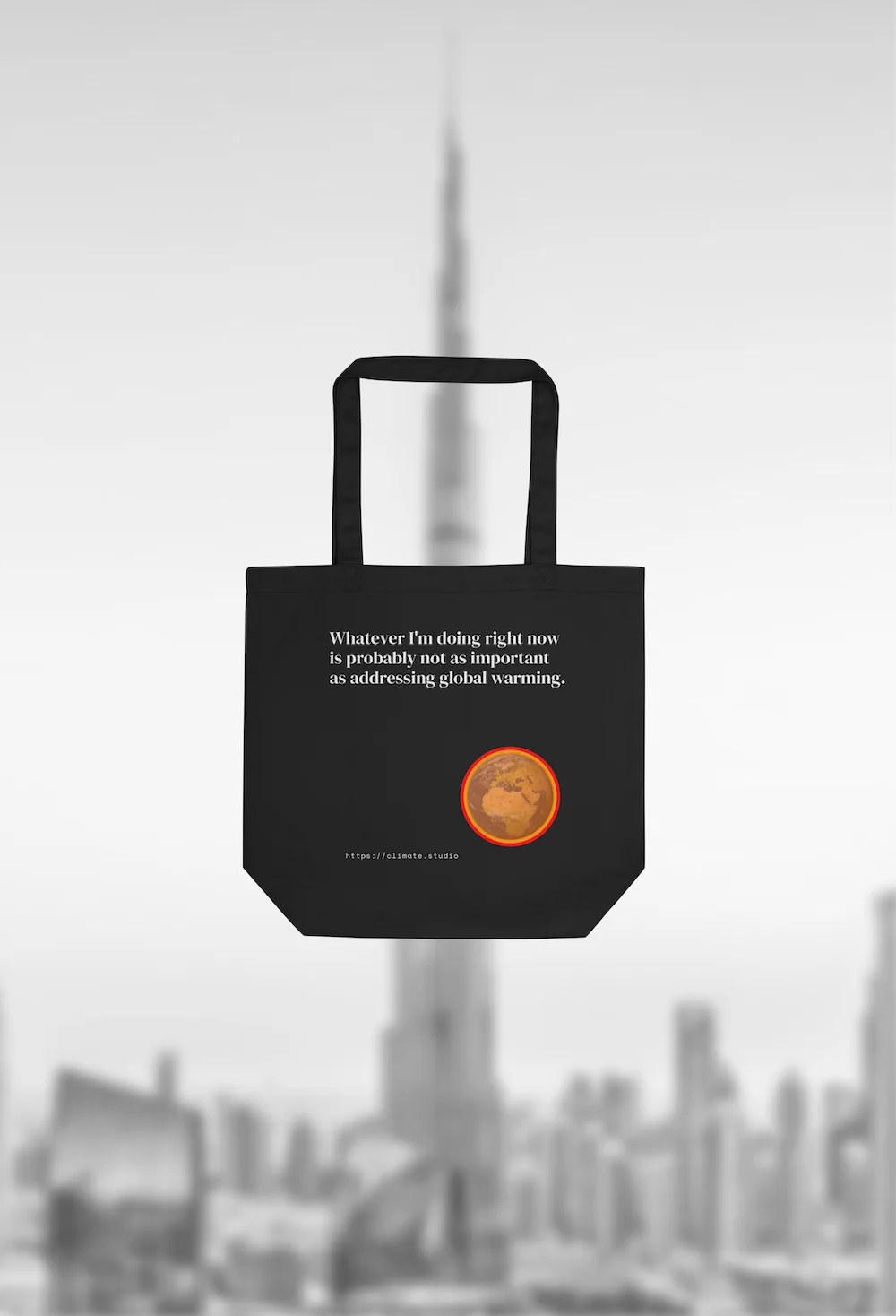
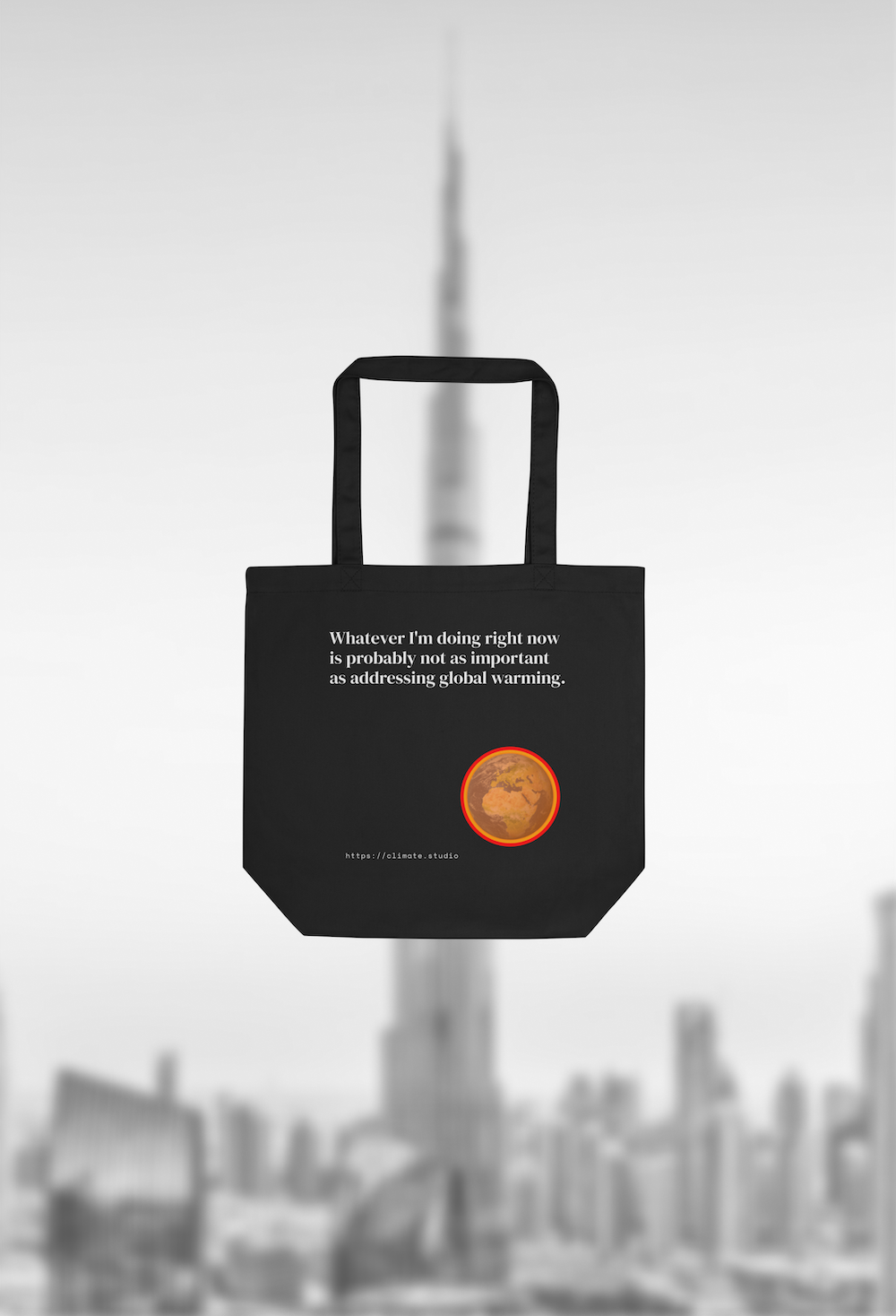
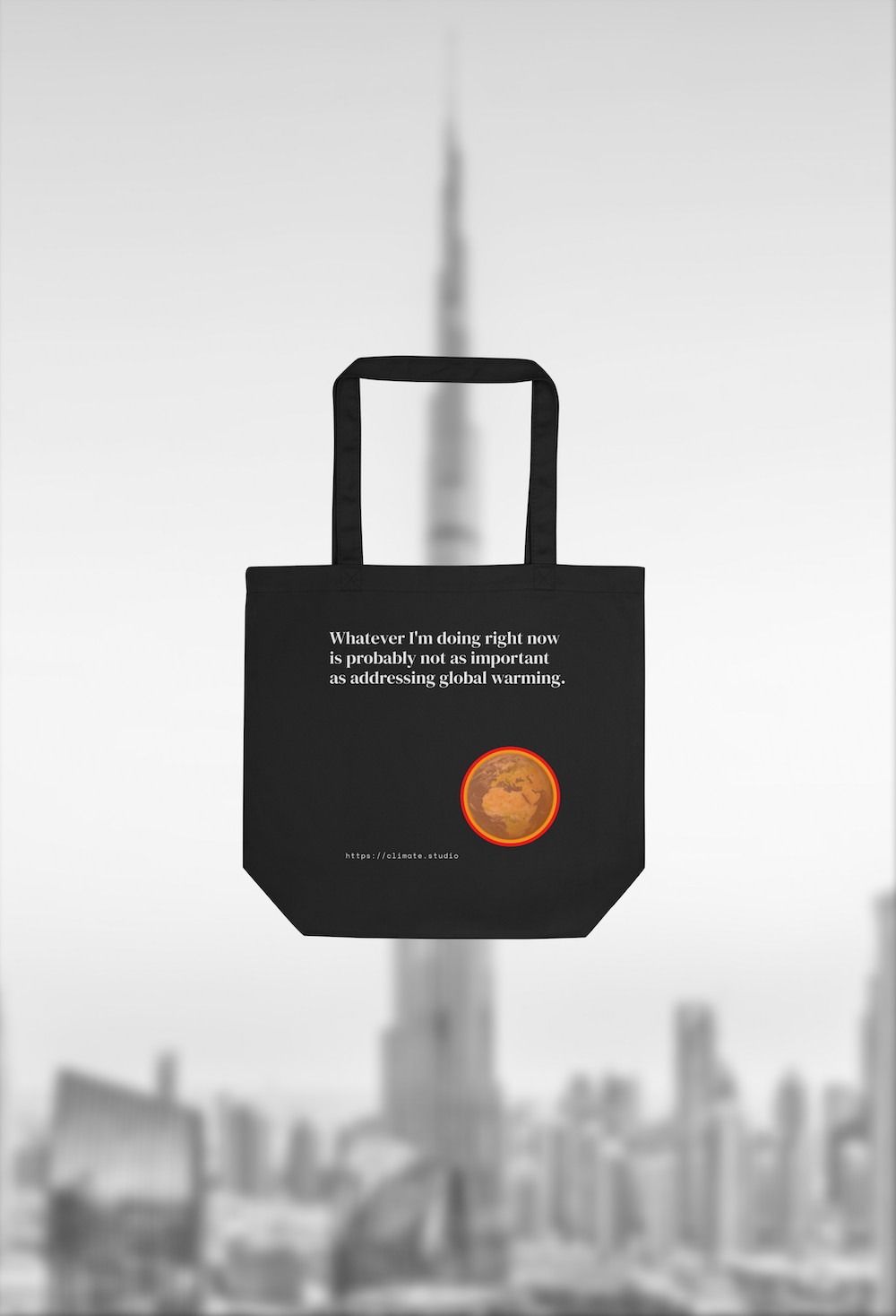
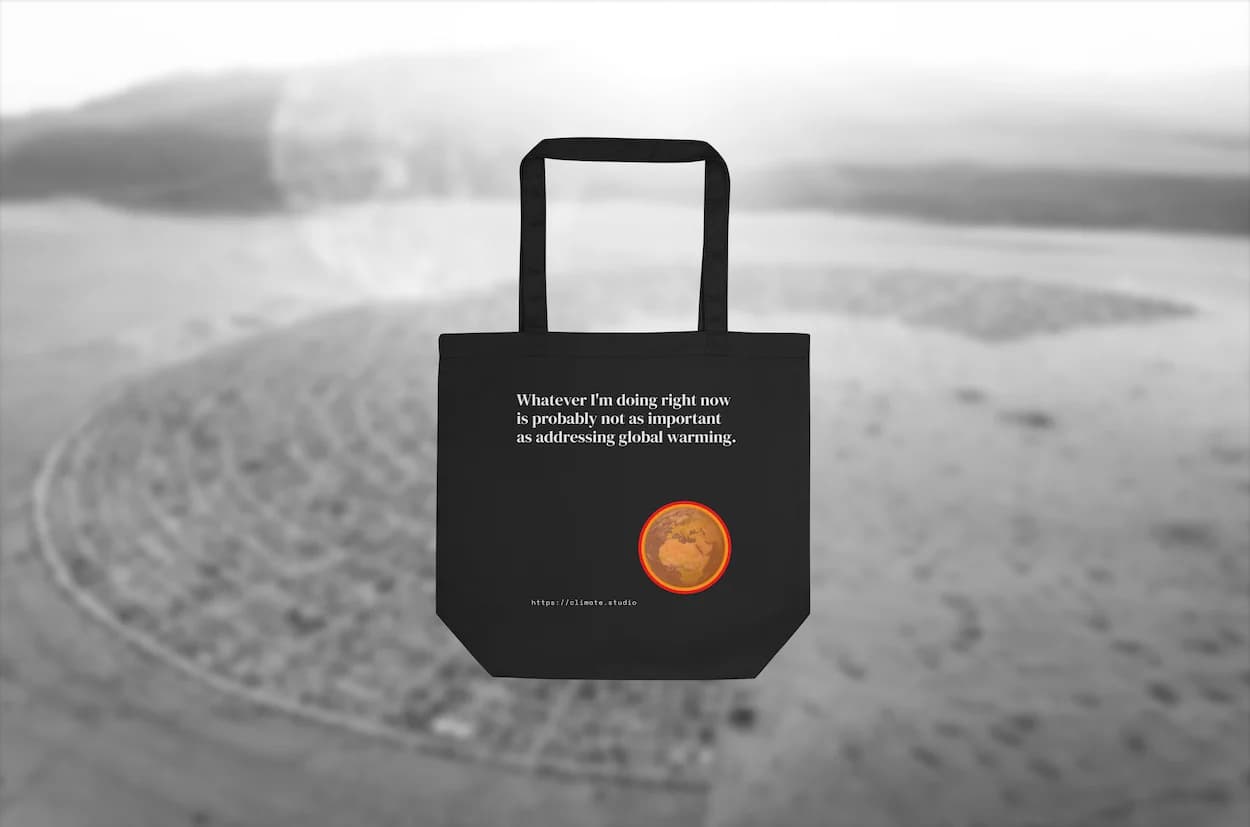
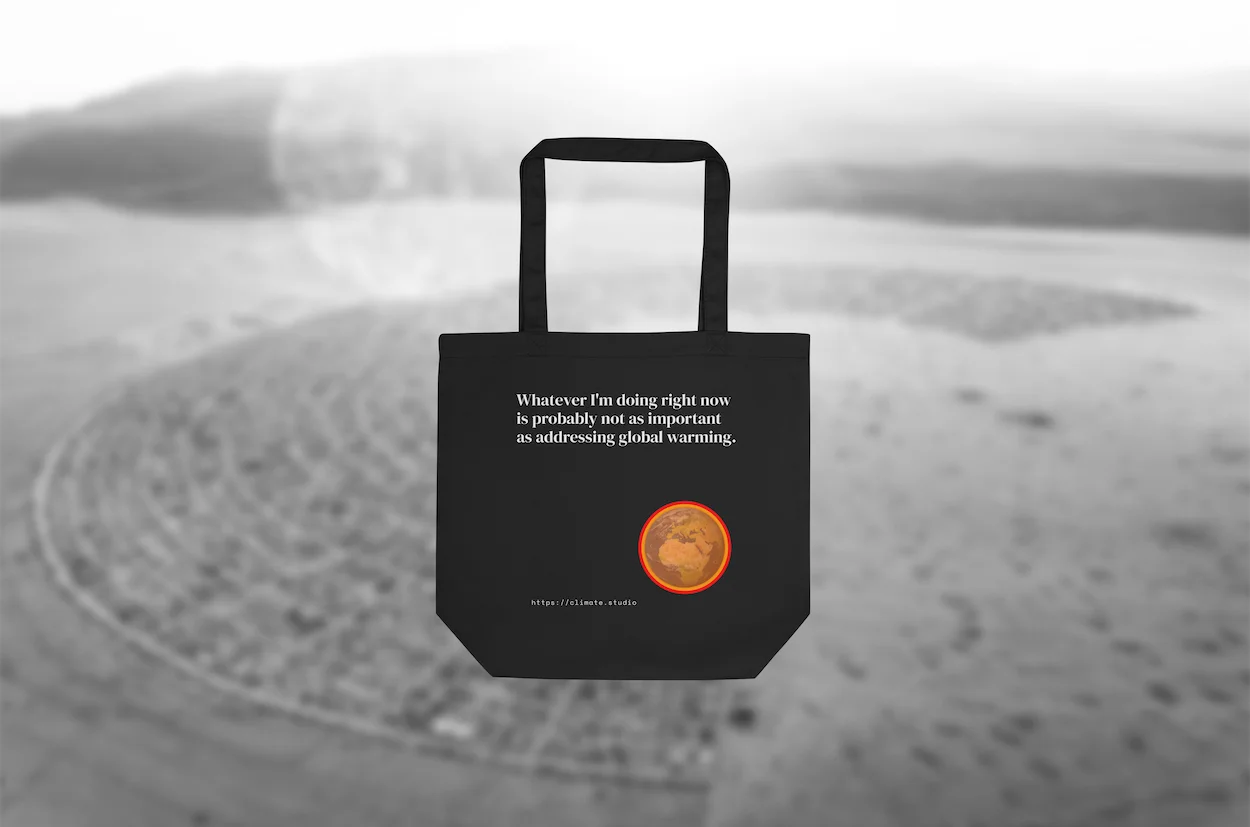
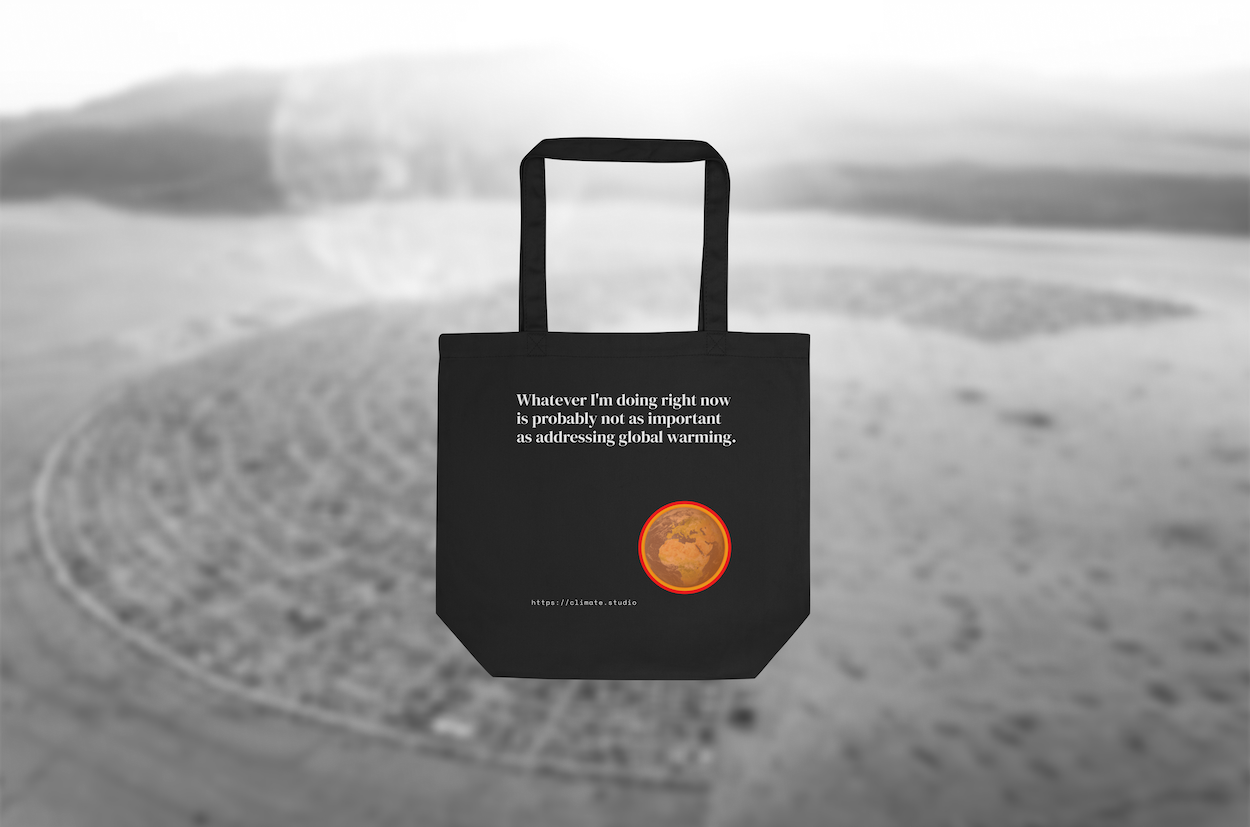
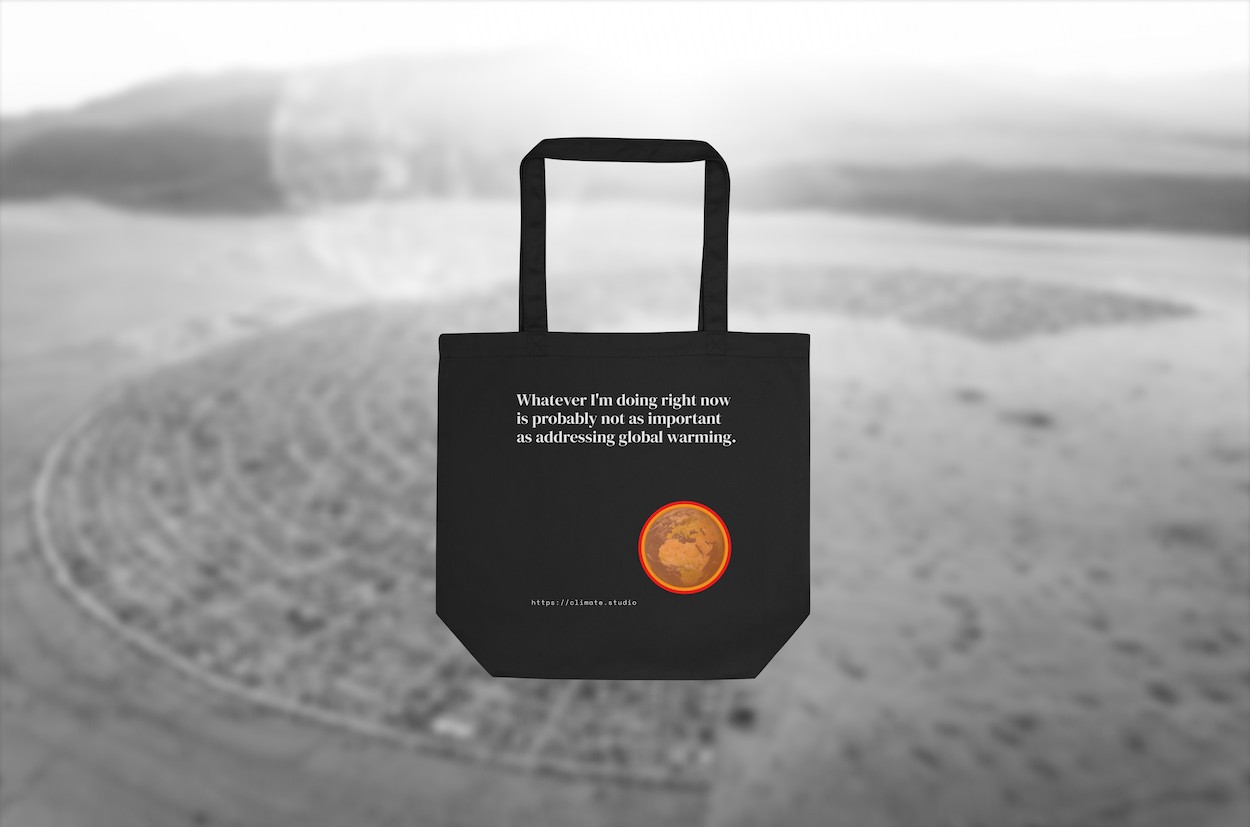
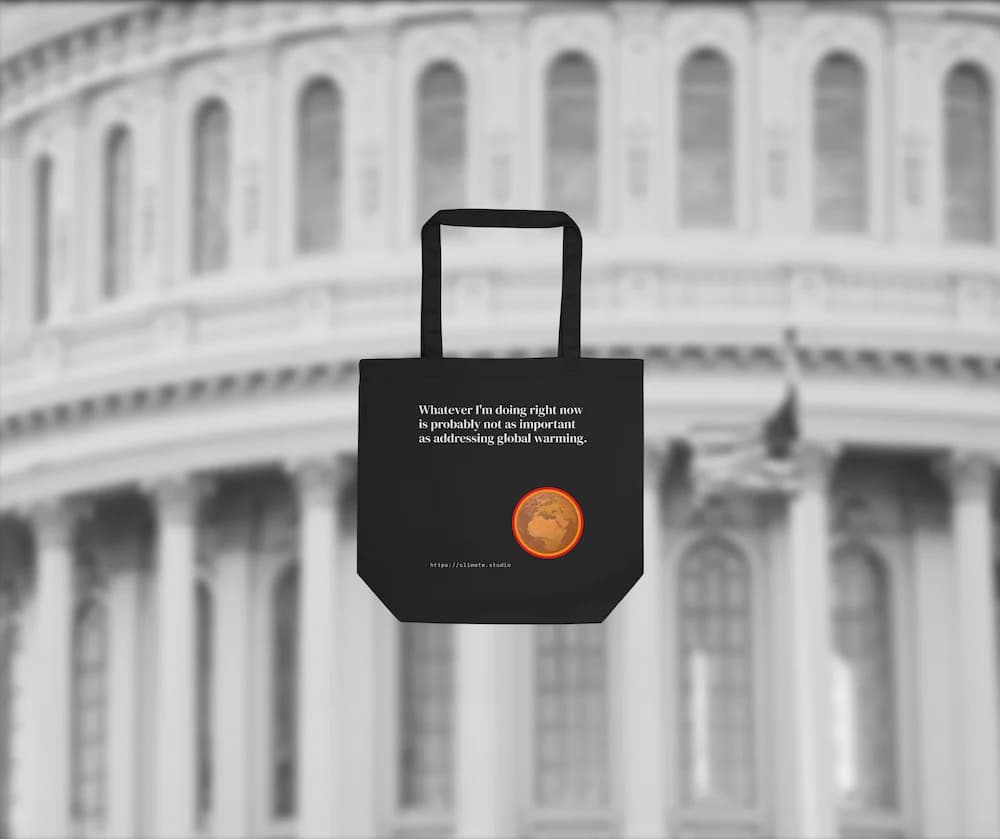
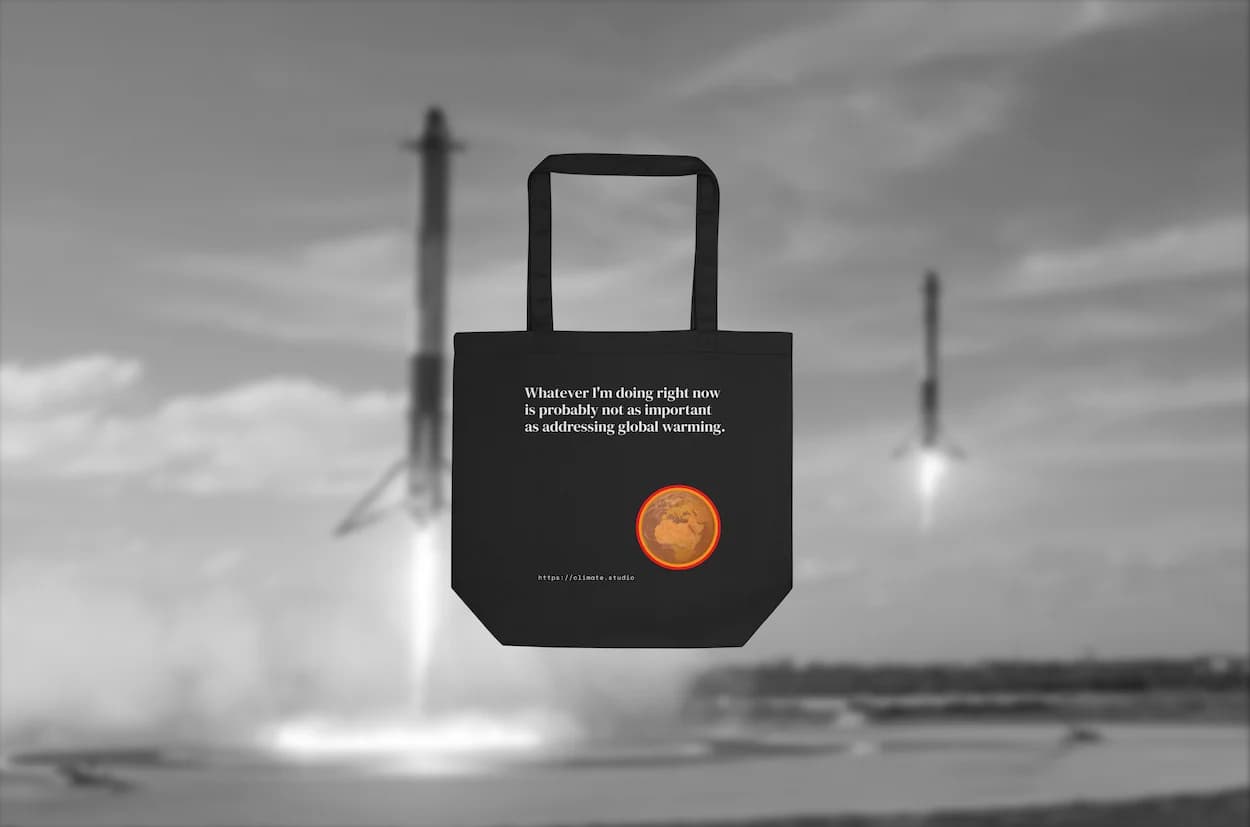
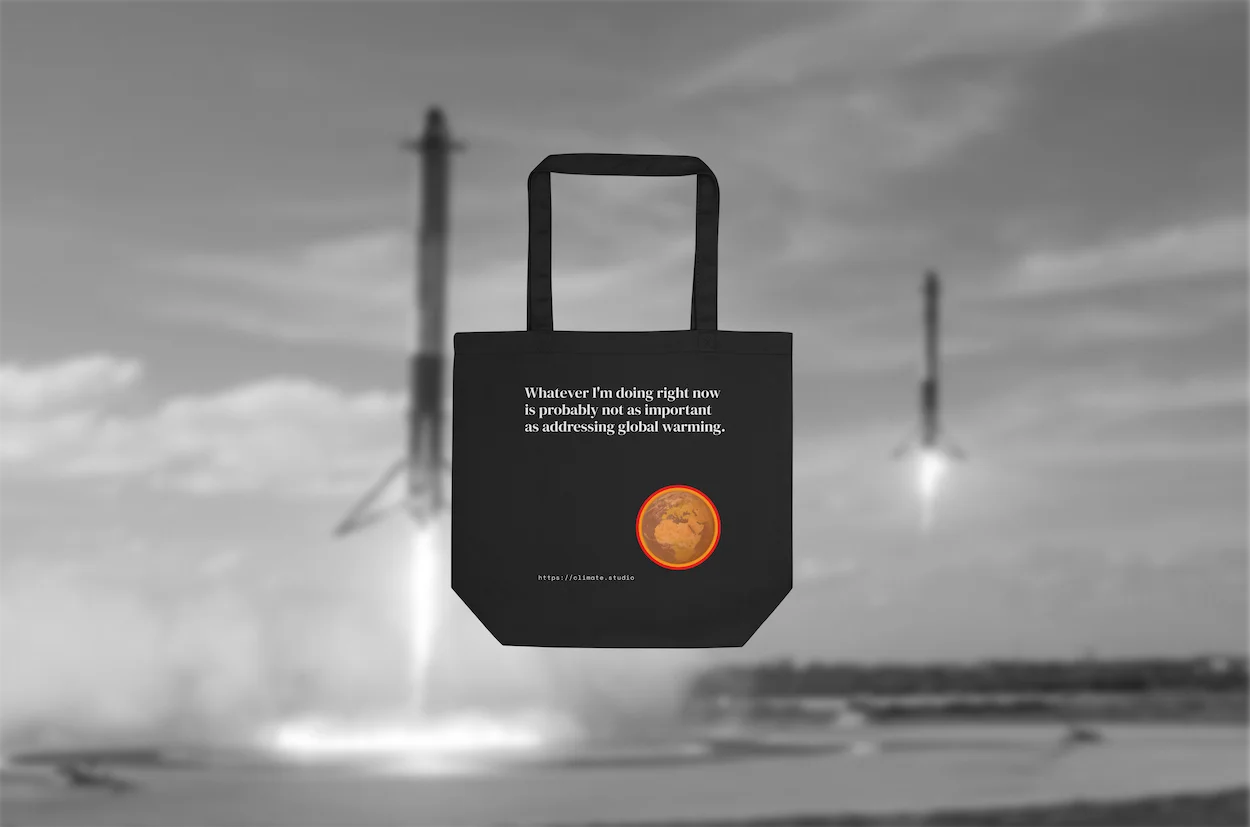
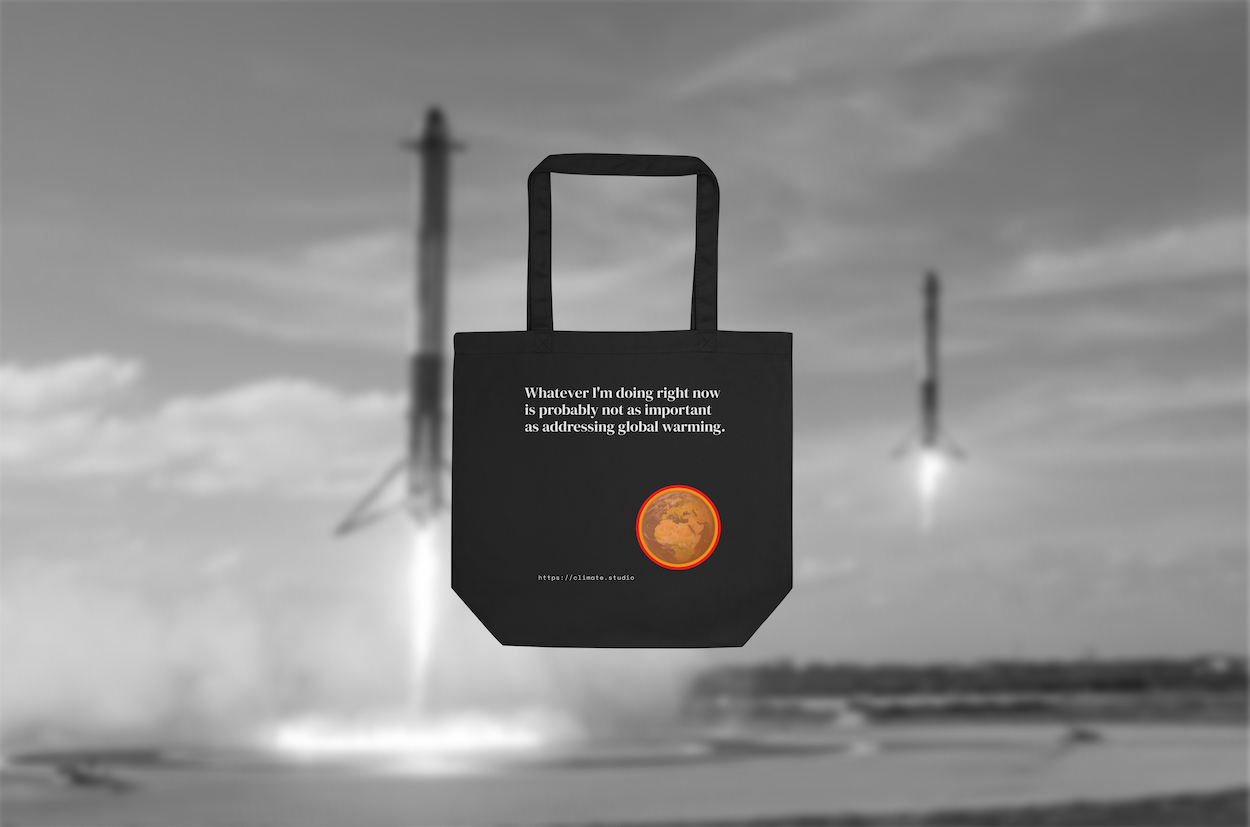
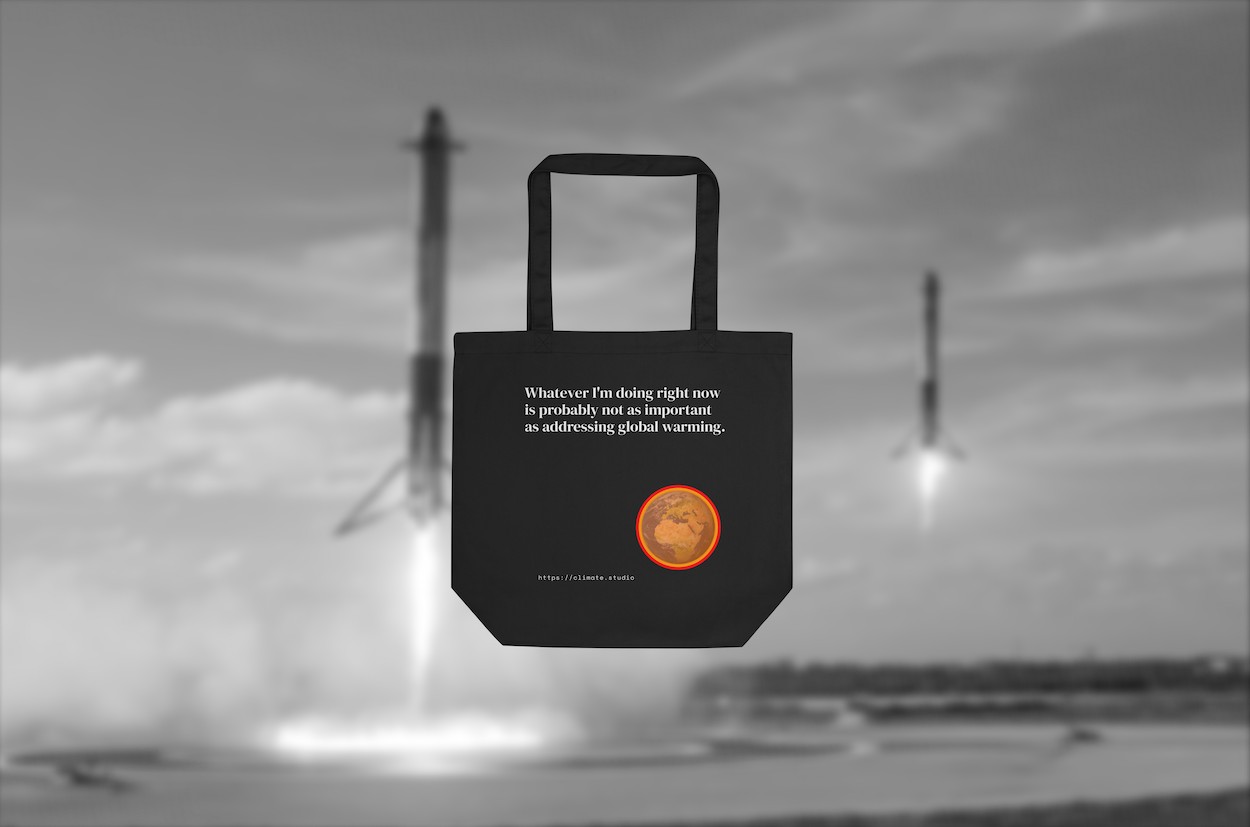
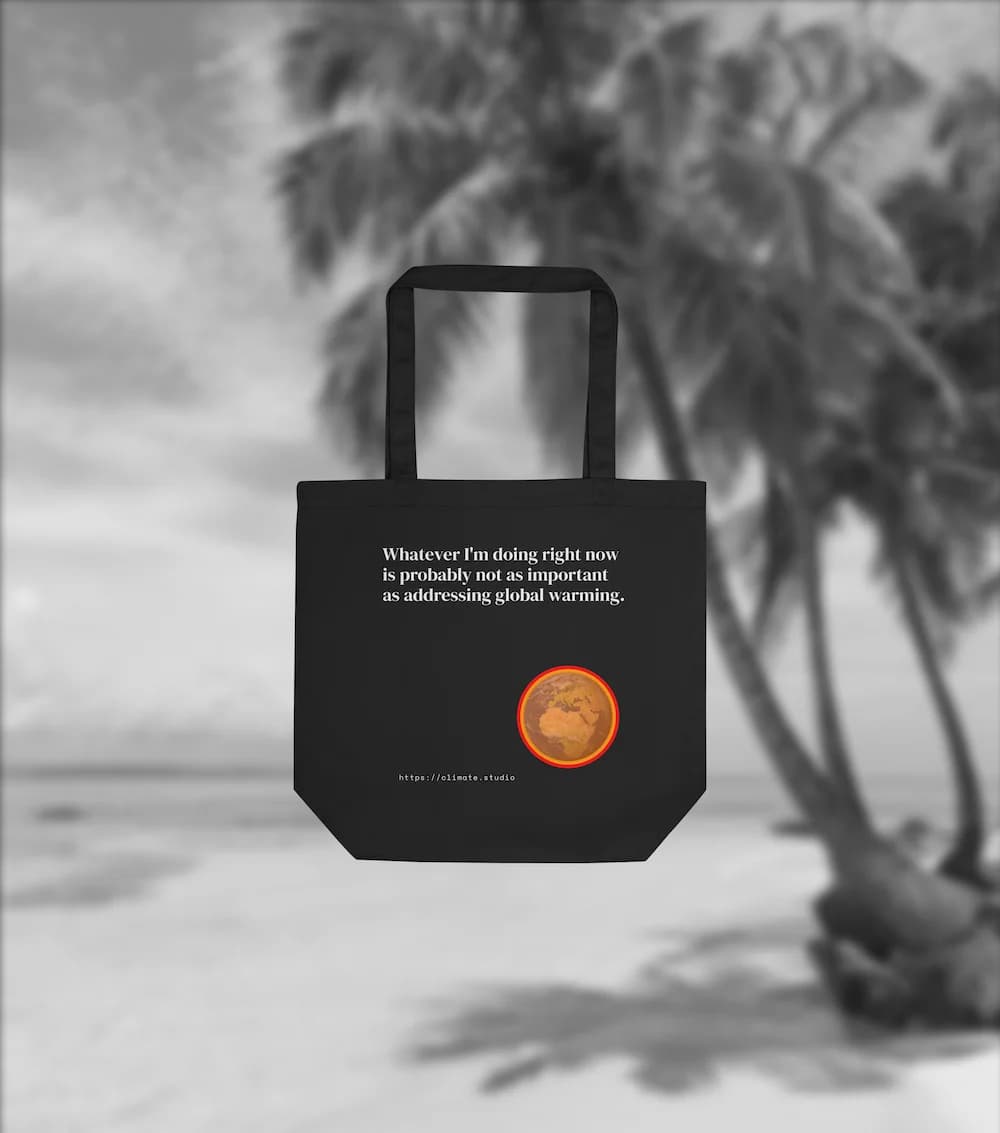
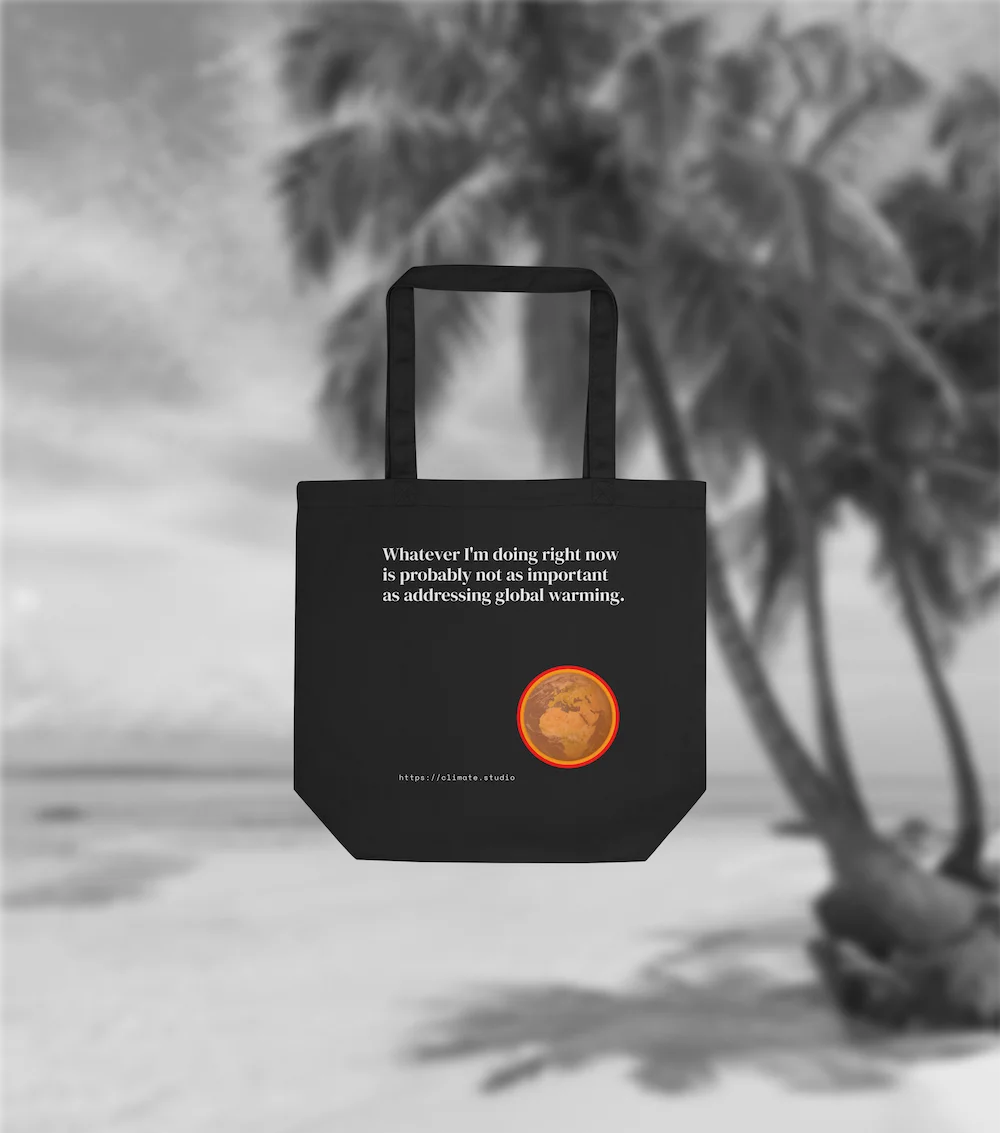
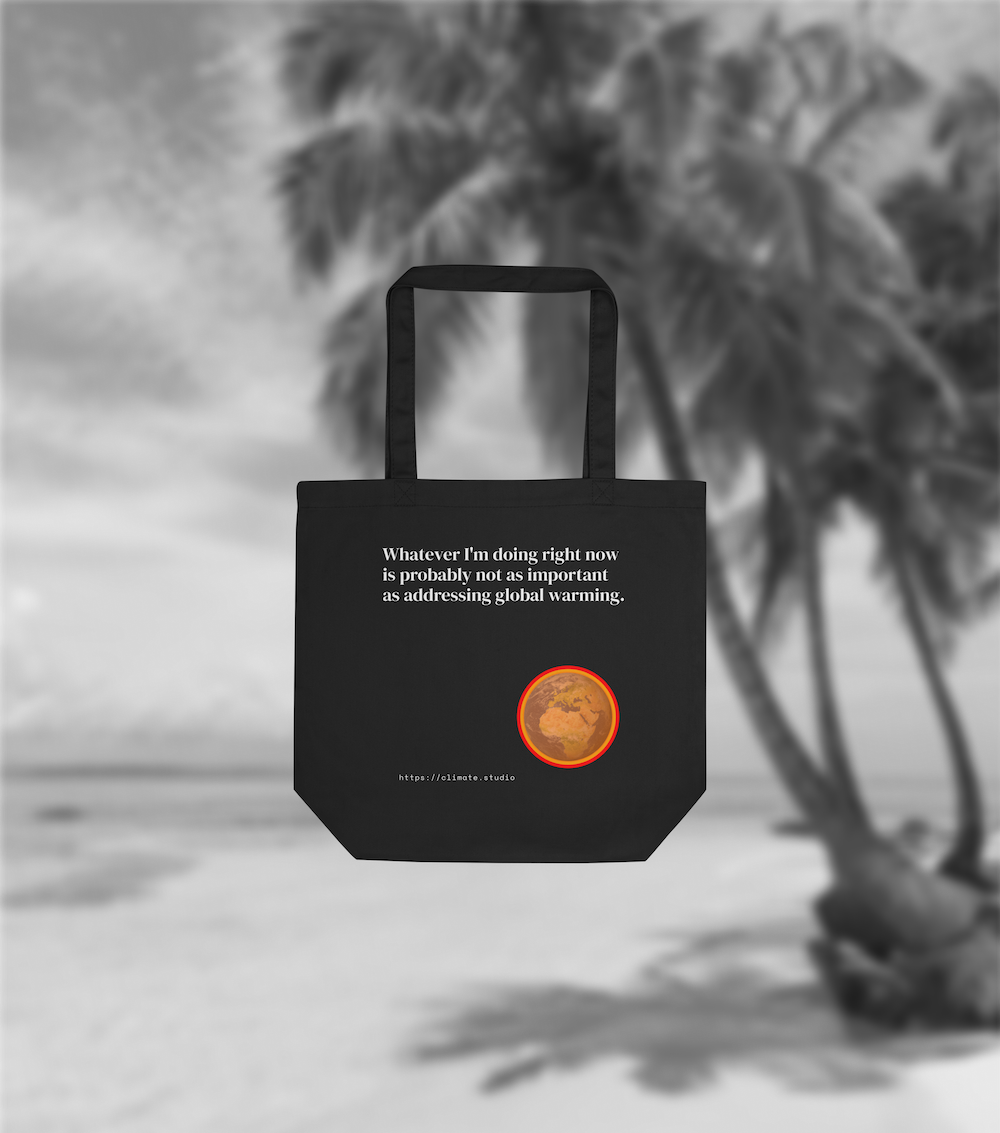
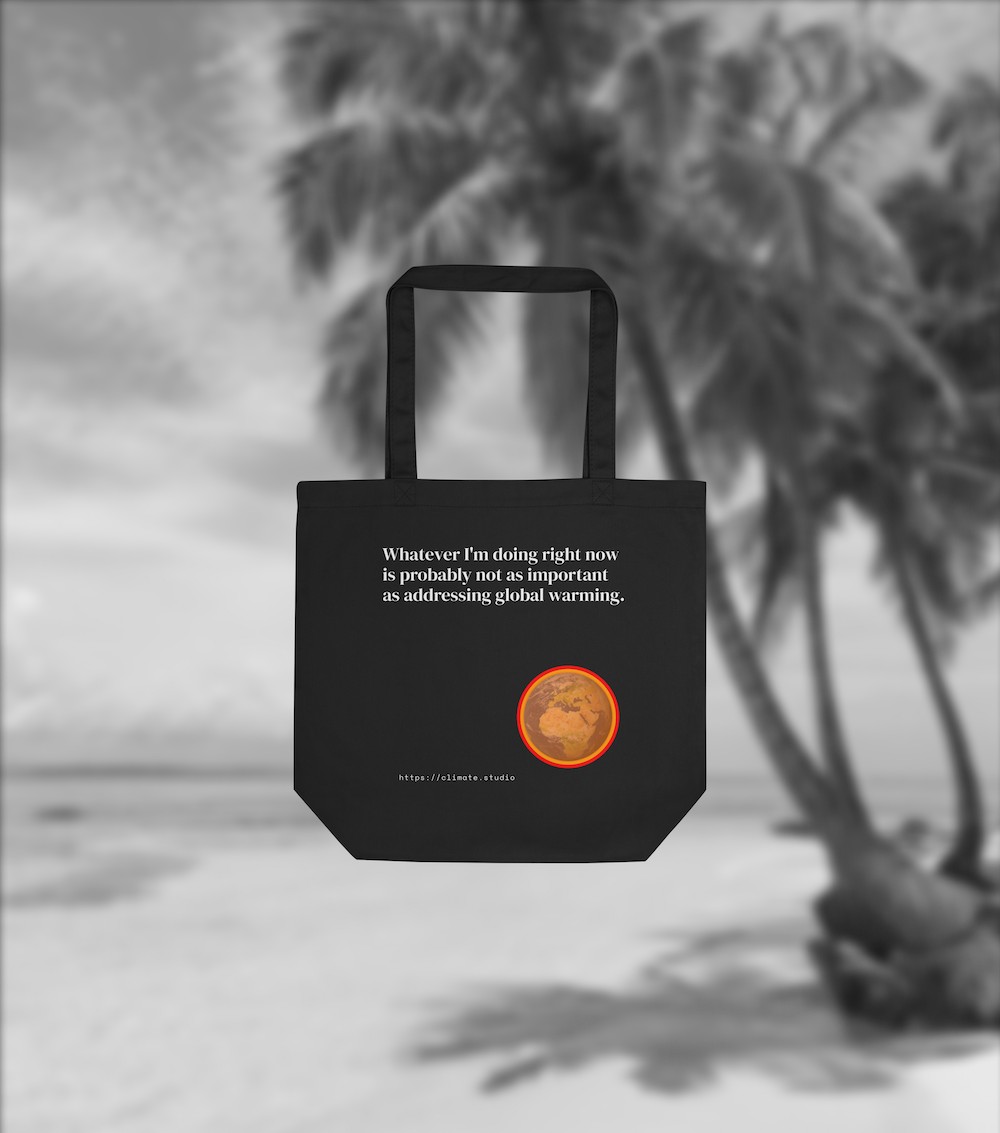
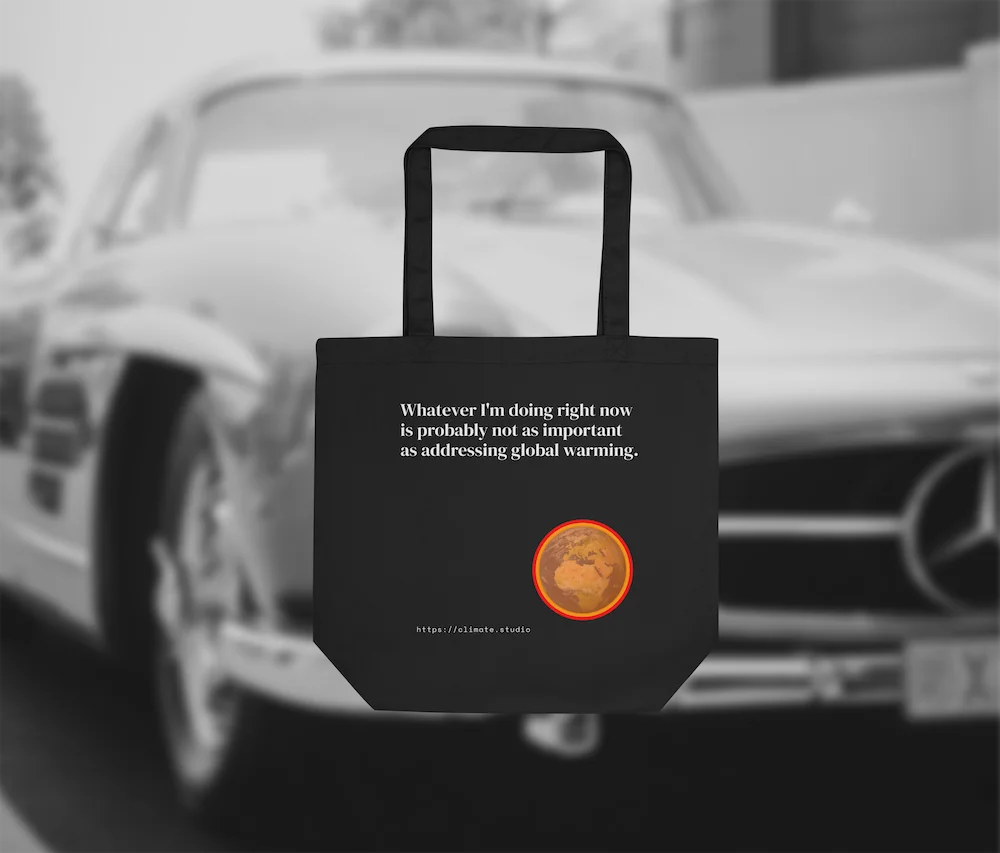
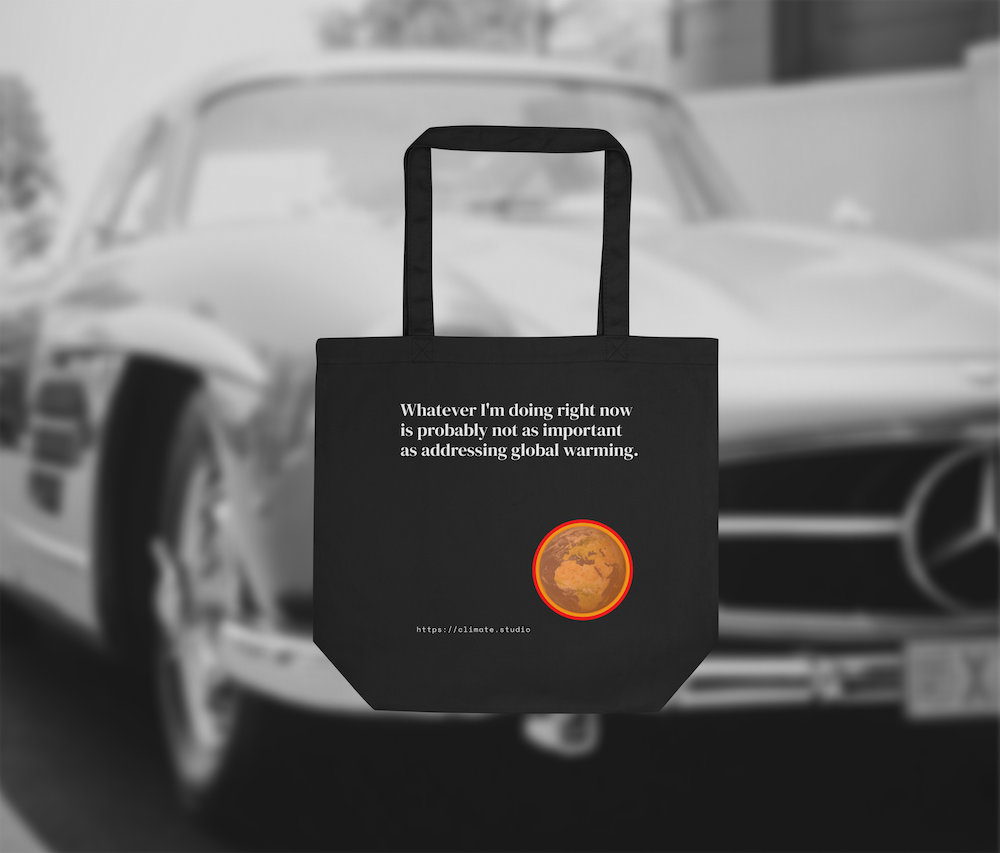
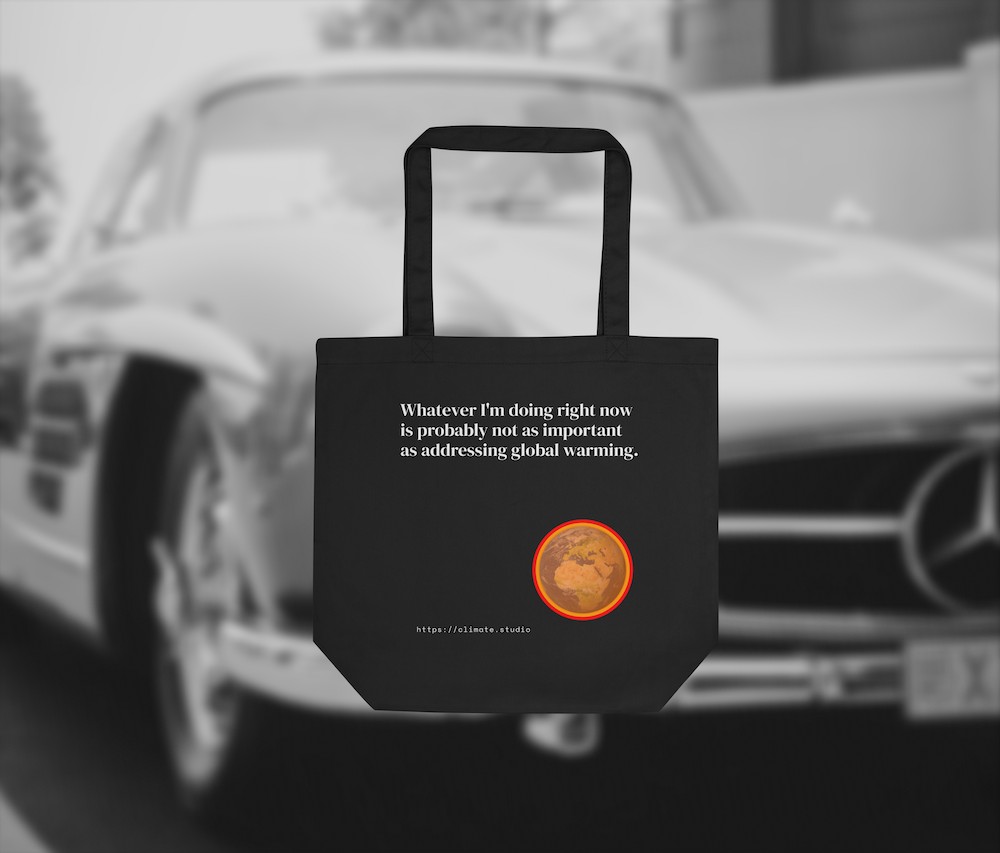
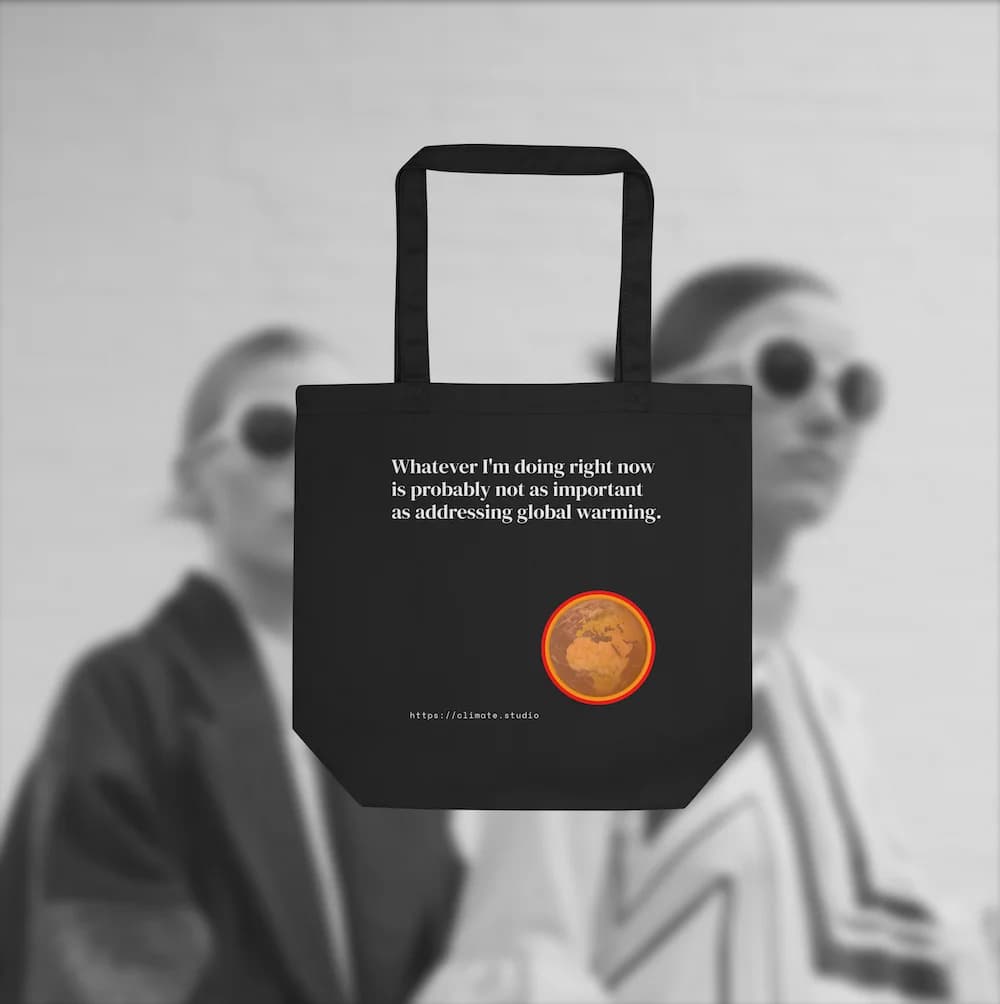
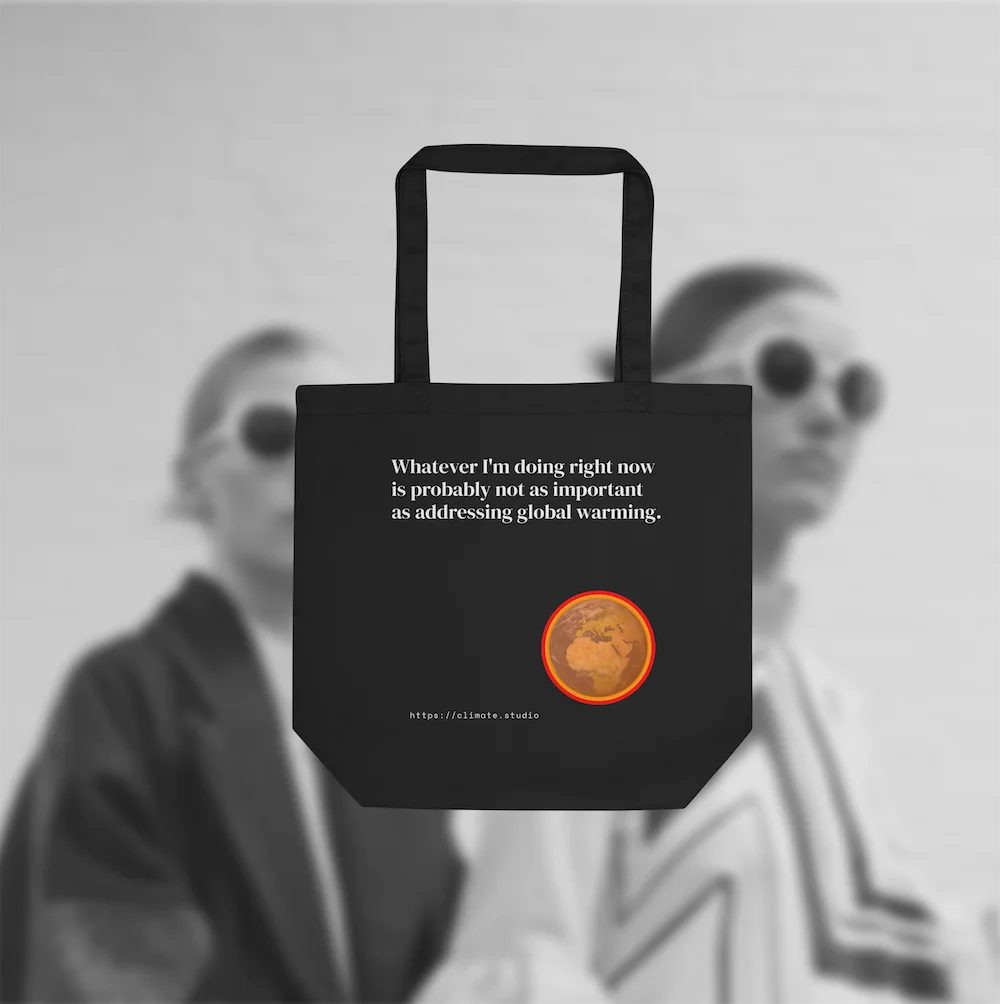
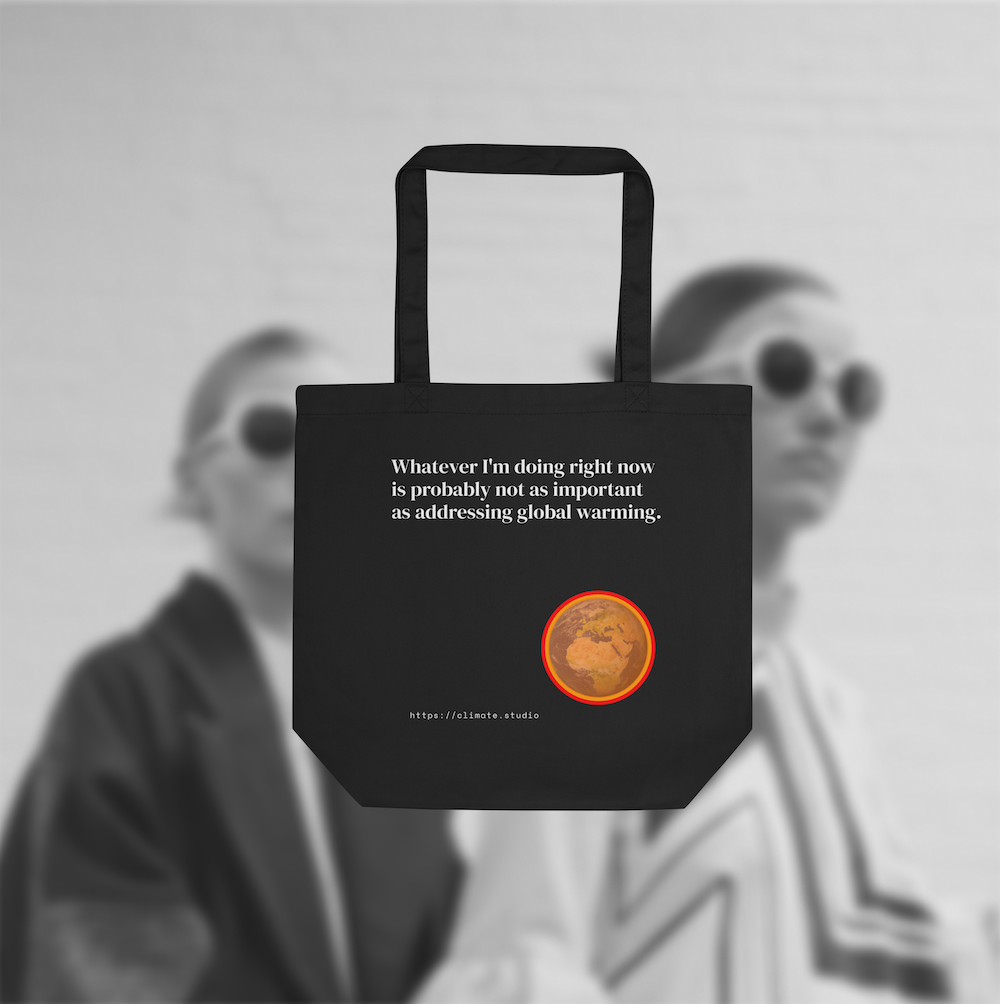
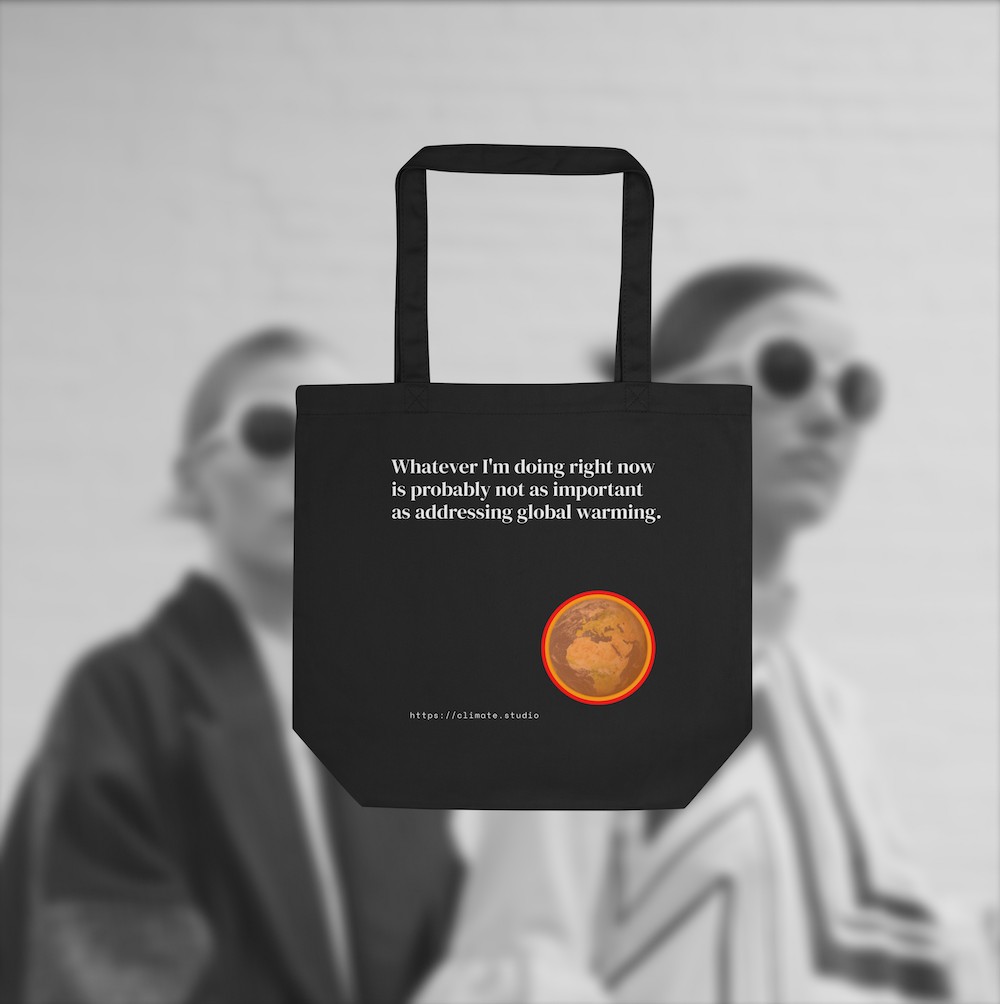
London, UK — Climate.Studio has released what may be the world's most expensive tote bag. Context (01), designed by J. Paul Neeley, is priced at £1,000,000 and limited to an edition of 2,781, the exact number of billionaires in the world as of 2024. Each tote is numbered and signed by the designer and comes with a Certificate of Authenticity.
A second piece, Context (02), is priced at £12,650 in a limited series of 1,337, equal to the number of tons of CO2 released globally every second in 2023.
The project is a design provocation, not a fashion line. Climate.Studio uses what Neeley calls “declarations of context” to force a collision between personal consumption and the climate crisis. The tote bag, an object that became a symbol of eco-consciousness over the past two decades, is reframed as a vehicle for the ultra-wealthy to publicly acknowledge the disconnect between their lifestyles and the planet's future.
The price is deliberate. It attempts to symbolically price in the cost of unmitigated climate change and the 1%'s contribution to these challenges through lifestyle, consumption, and the externalities of capitalist activity. The work is designed exclusively for those whose wealth was generated through the systems that created the crisis, and whose resources could meaningfully address it.
Funds from sales, after taxes, will be directed to climate action: supporting design practices addressing climate change, funding organisations fighting global warming, and training future generations of designers and thinkers working on adaptation and mitigation.
The ongoing US-Iran conflict has brought the intersection of geopolitics, energy systems, and climate inaction into sharp focus once again. Global oil supply disruptions and the resulting energy crisis have exposed the fragility of fossil fuel dependence, underscoring the urgent need for a transition to renewable and green energy sources. As military operations consume vast resources and redirect global attention away from the climate crisis, Climate.Studio's central provocation, that most of our daily activities are disconnected from this existential fight, feels more urgent than ever. War accelerates emissions, displaces populations, and derails the international cooperation needed to address climate breakdown. The declarations of context that this project demands have never been more necessary.
The Collection
Context (01) — The 0.01% Declaration
| Designer | J. Paul Neeley (b. 1978) |
| Year | 2024 |
| Price | £1,000,000 |
| Edition Size | 2,781 |
| Edition Logic | One for each billionaire in the world (2024 count) |
| Each Piece | Numbered, signed by designer, Certificate of Authenticity |
Context (02) — The 1% Declaration
| Designer | J. Paul Neeley (b. 1978) |
| Year | 2024 |
| Price | £12,650 |
| Edition Size | 1,337 |
| Edition Logic | Equal to tons of CO2 released globally every second (2023) |
| Each Piece | Numbered, signed by designer, Certificate of Authenticity |
Digital Declarations (Free)
Warming Globe — A code embed for any website. One line of HTML places a warming globe indicator on your page. In use since 2018.
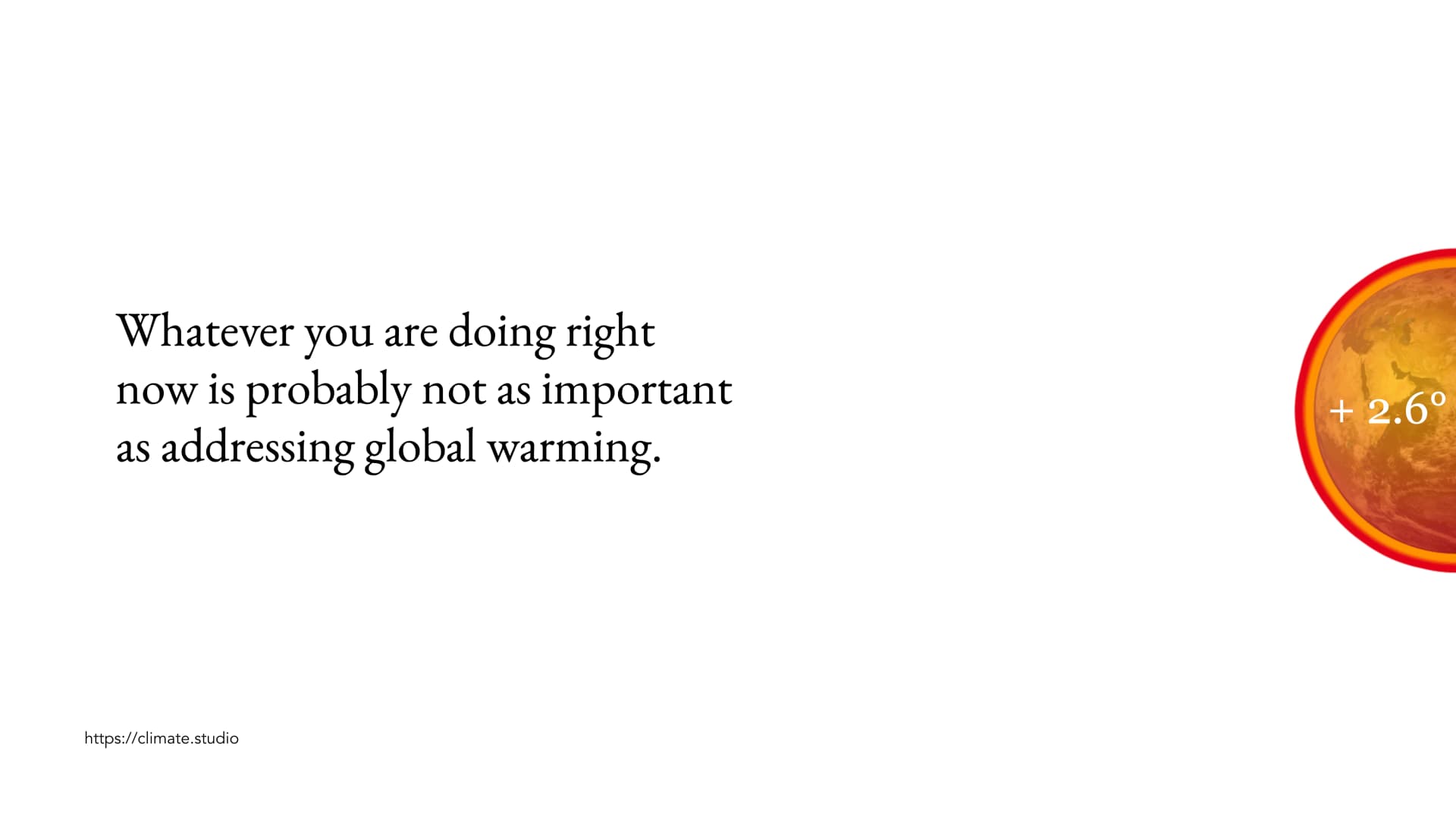
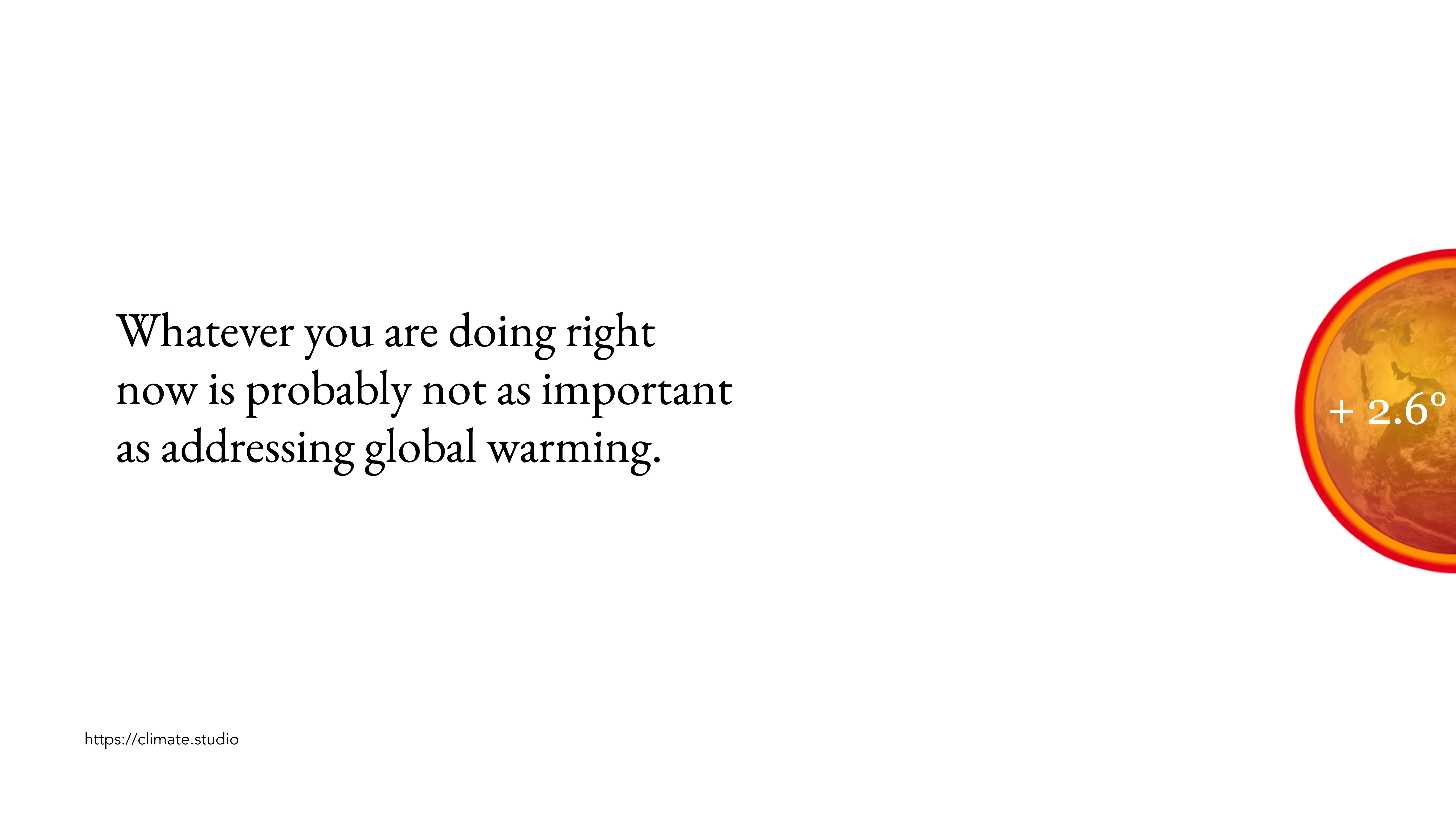
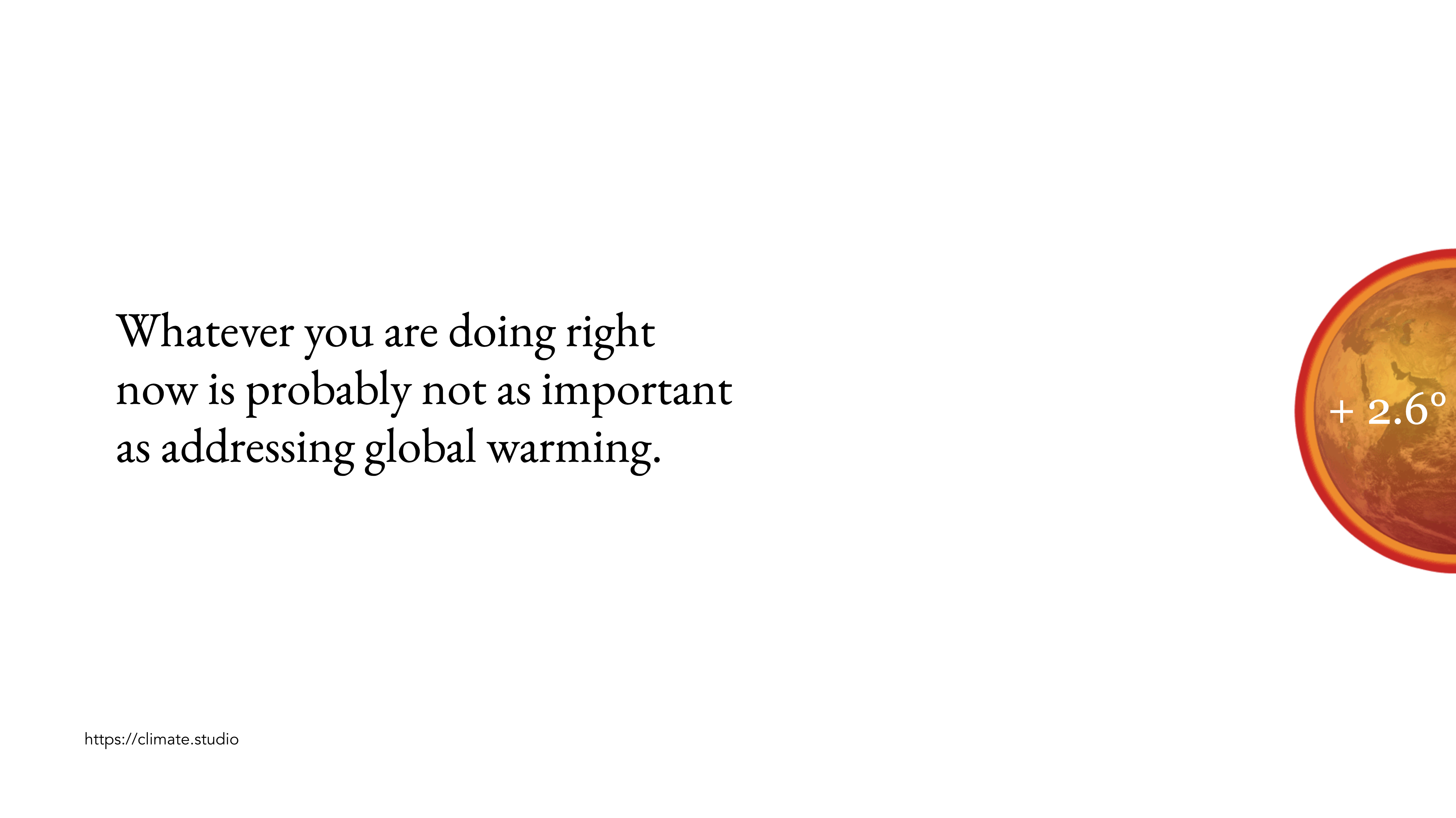
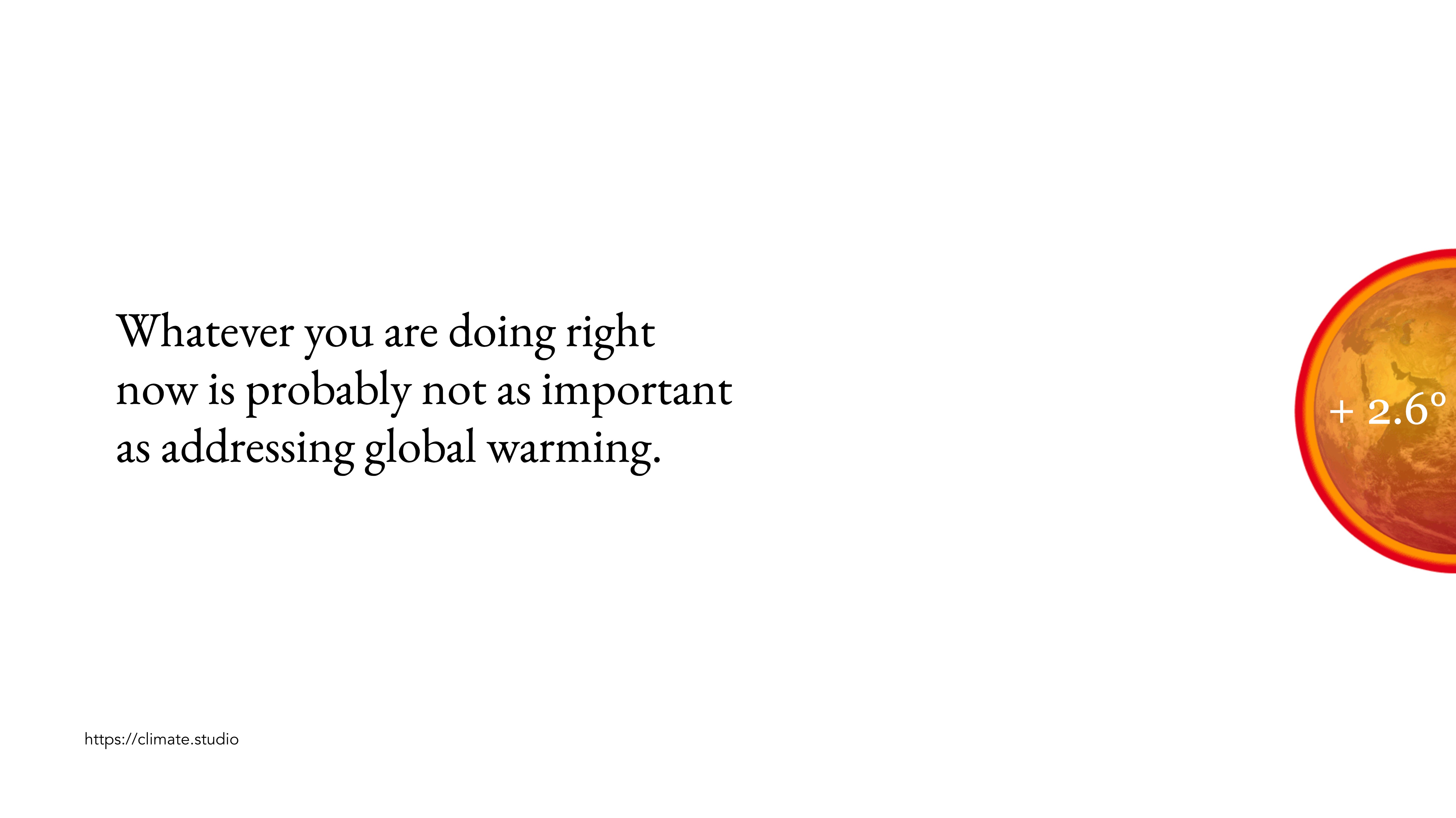
Context Slide — A presentation slide with a climate context declaration for talks, lectures, and reports. Neeley has used this in every public and private interaction since 2018.
Key Numbers
| £1,000,000 | Price of Context (01) |
| £12,650 | Price of Context (02) |
| 2,781 | Number of billionaires in the world (2024) |
| 1,337 | Tons of CO2 released globally every second (2023) |
| 2018 | Year Neeley began including climate declarations in all professional interactions |
| 9 | Languages the site is available in |
J. Paul Neeley
J. Paul Neeley (b. 1978) is an American designer and researcher based in London. He holds an MA in Design Interactions with Distinction from the Royal College of Art, where he studied with Tony Dunne and Fiona Raby, and graduated from Northwestern University in Communication Studies with a concentration in Economics.
His work focuses on the social, cultural, economic, and ethical implications of emerging technologies. Over the past 15+ years, Neeley has built a practice focused on helping organisations understand possible futures and prepare for them today. Through his consultancy Neeley Worldwide, he has worked with Google X, Microsoft, BBC, Honda, and others on projects spanning AI, synthetic biology, civil discourse, happiness, mobility, and climate change.
He is the founder of the School of Critical Design, an online school focused on enabling emerging practices like speculative design in corporate and professional settings. He was a founding tutor in Service Design at the Royal College of Art, and has guest lectured at London Business School, Imperial College, NYU, KISD, RISD, and others.
Neeley also founded Masamichi Souzou, a project focused on the optimization of happiness; co-founded Jadala, building tools to improve civil discourse.
Climate.Studio emerged from a growing tension Neeley felt between the consulting work he was doing and the accelerating reality of climate breakdown. The project uses what he calls “declarations of context” to inject climate reality back into daily life. Since 2018, he has included a climate context declaration in every public and private lecturing and consulting interaction.
The Tote Bag: A Cultural History
The tote bag is one of the most culturally loaded objects in modern design. Its evolution from practical carrying device to fashion statement to environmental symbol to design provocation tracks neatly with the contradictions of consumer culture.
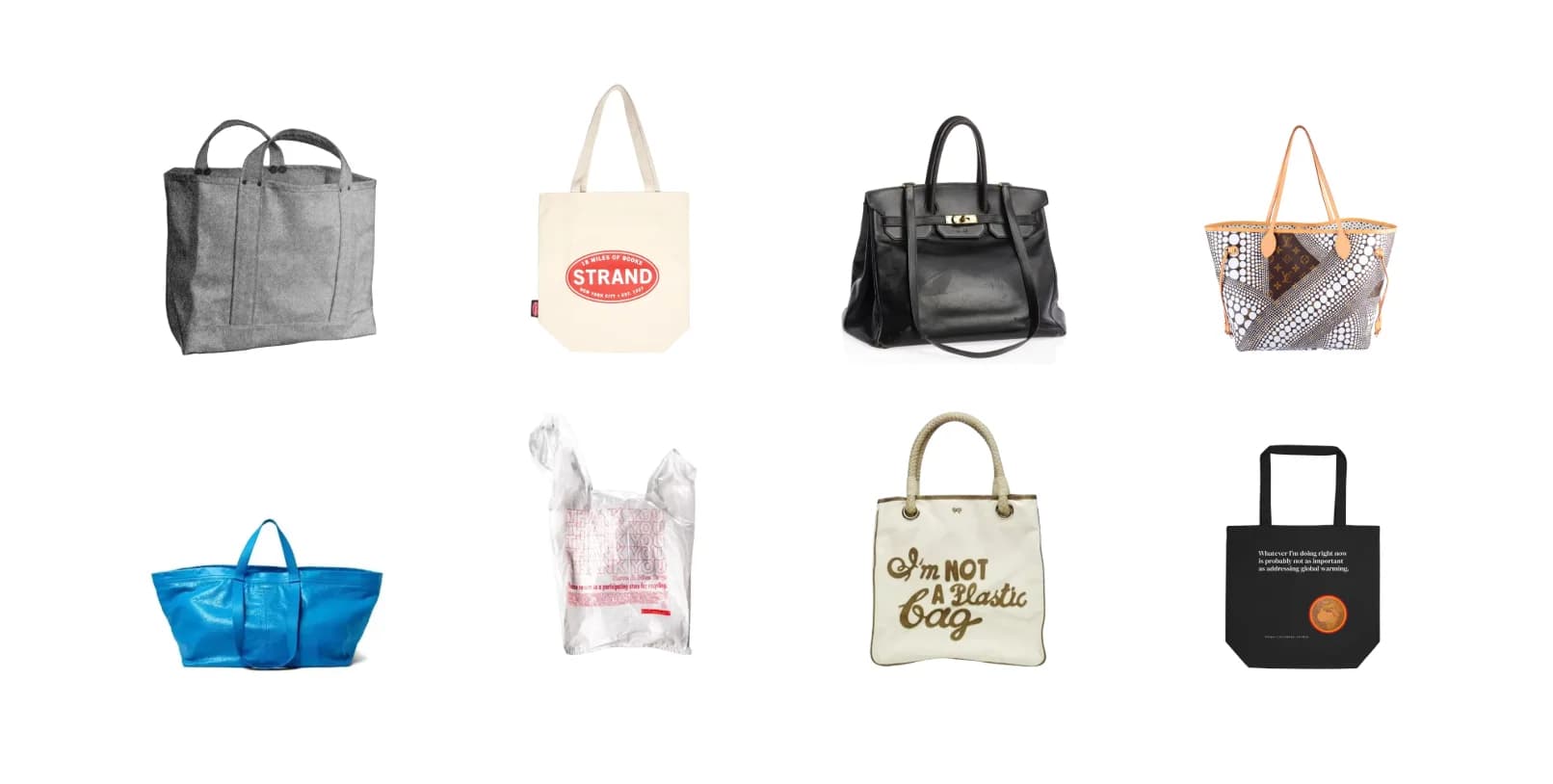
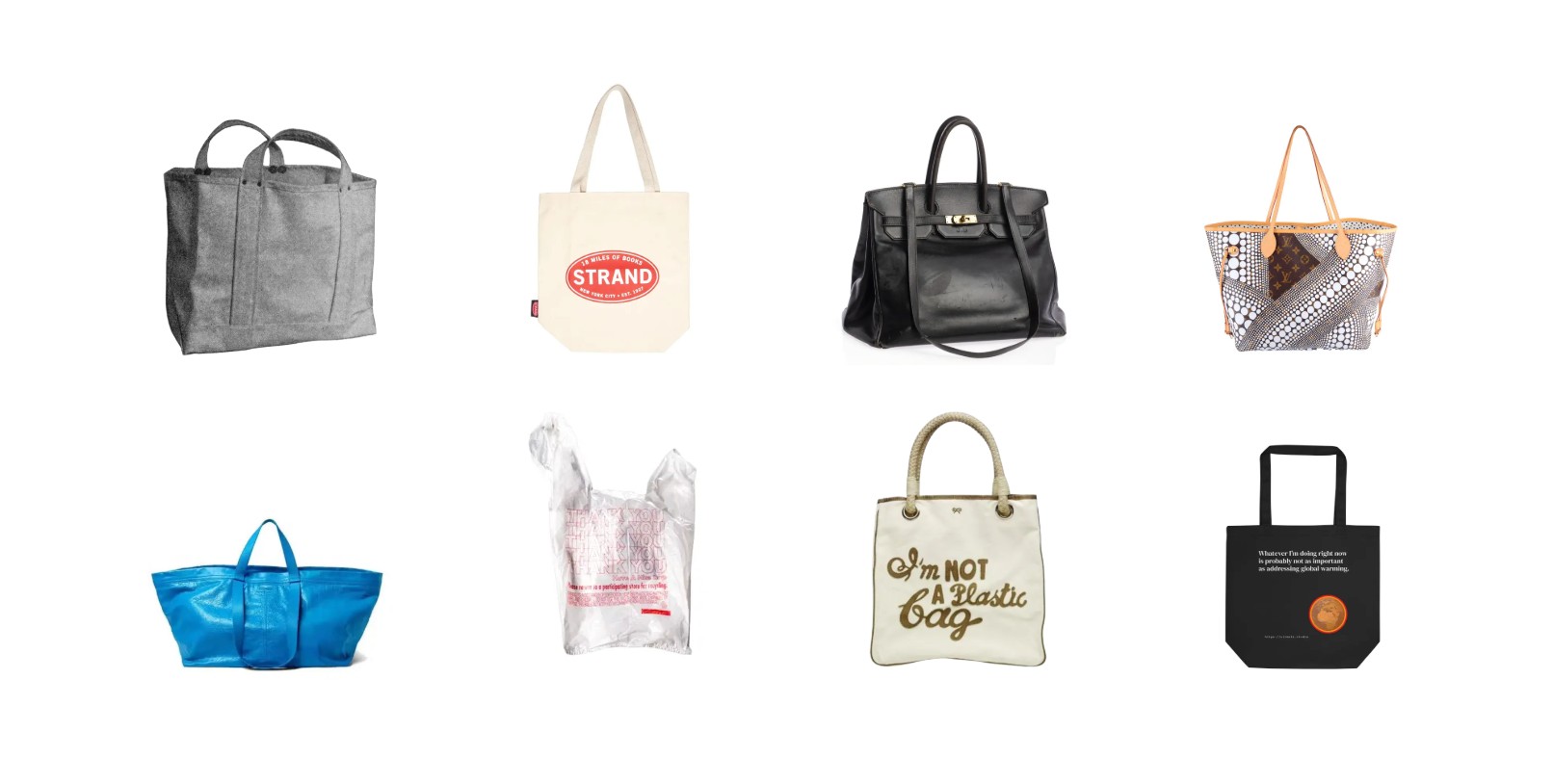
The modern tote's origin story starts in the 1940s, when L.L. Bean introduced the “ice bag,” a sturdy canvas bag designed for hauling ice from cars to freezers. It was practical, durable, and people quickly adapted it for groceries and household use. The 1960s turned the tote into fashion with L.L. Bean's “Boat and Tote” and Bonnie Cashin's work for Coach. The 1980s added the tote as promotional tool — The Strand bookstore pioneered the branded tote — and saw the birth of the Hermes Birkin.
Then came the environmental turn. The tote became a symbol of eco-consciousness, peaking with Anya Hindmarch's “I'm Not a Plastic Bag,” now in the permanent collection at the V&A. But studies show that producing a cotton tote requires significant resources, resulting in a higher carbon footprint than plastic bags. A typical cotton tote may need to be reused hundreds to thousands of times to offset its environmental impact.
Climate.Studio's Context (01) and Context (02) add a new chapter. Where the tote has previously been about utility, fashion, branding, and environmental signalling, these works introduce questions of context, power, and value in the specific moment of climate breakdown.
Timeline
| 1900 | “Tote bag” as a term first appears |
| 1940s | L.L. Bean introduces the “ice bag” |
| 1960s | Bonnie Cashin's “Cashin Carry Tote”; L.L. Bean's “Boat and Tote” |
| 1984 | Hermes Birkin bag created for Jane Birkin |
| 1980s | The Strand bookstore pioneers the branded tote |
| 2007 | Anya Hindmarch's “I'm Not a Plastic Bag” (now in the V&A) |
| 2017 | Balenciaga copies IKEA's Frakta bag in leather |
| 2018 | Climate.Studio launches; Neeley begins embedding context declarations |
| 2024 | Context (01) and Context (02) released |
High-Resolution Images
The following images are available for editorial use. For additional formats or sizes, contact impact@climate.studio.
Product Images
Editorial & Gallery
Get In Touch
High-resolution images, additional materials, and interview requests:
Website: climate.studio
Available in: English, Chinese, Hindi, German, Russian, Italian, French, Portuguese, Arabic